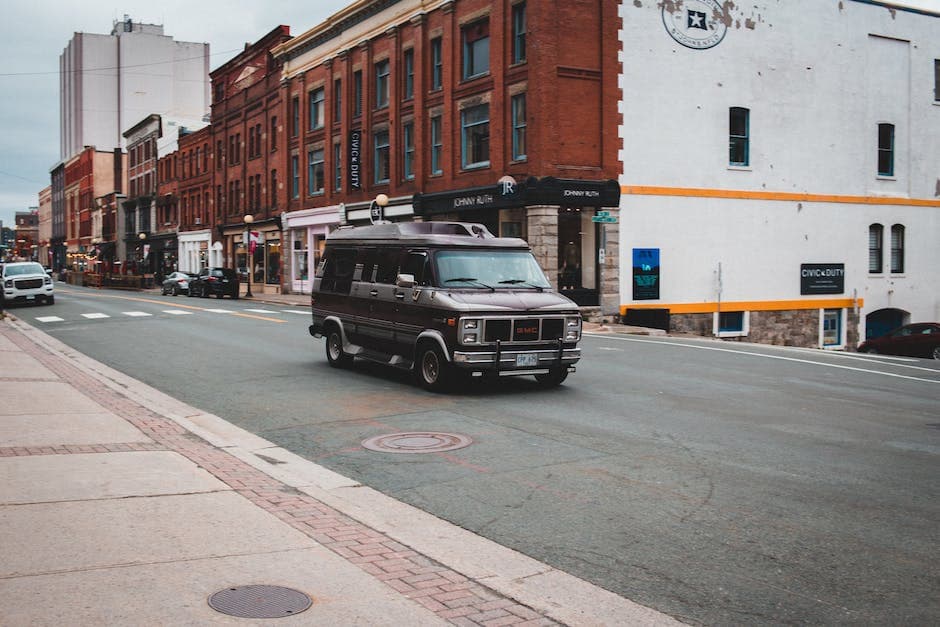
The Pros and Cons of Travelling with a Minivan
Space, flexibility, and low costs against tight quarters
Travelling with a minivan is a flexible way to see new places, and it suits families and groups of friends in particular. You can adapt the interior, take narrow roads, and camp wherever you stop for the night. Space is limited, though, and maintenance can become a worry.
Below are the main points on both sides, from the freedom to pick quieter routes to the question of where to put all your gear.
Pros
Most of these advantages come from the minivan's size, which sits somewhere between an ordinary car and a large RV.
Room for passengers and luggage
A minivan has plenty of room for passengers and cargo, and on long road trips that makes a real difference. Seating can usually be rearranged to suit the group, and there is space to stretch your legs, so people can sit back and enjoy the ride without feeling cramped or boxed in for hours.
Easy to adapt for camping
For camping and other outdoor trips, a minivan makes a flexible base. Seats fold down or come out, there are storage solutions to fit the space, and many owners add camping modifications. With those in place, the van becomes a practical place to sleep and keep your gear when you are out in nature.
Fits on narrow roads and in tight spots
Because a minivan is fairly compact, it copes well with narrow roads, fits into standard parking spaces, and can be manoeuvred through tight spots in towns and in the countryside alike. That puts more destinations within reach.
More choice in routes
You get more freedom in choosing your route. Some off-the-beaten-path destinations are hard or impossible to reach with larger vehicles, and a minivan can often get there. Those places tend to give a trip a more personal, less touristy character, which is exactly what some travellers are looking for.
Lower costs for families and groups
For families and small groups, a minivan can keep costs down. You can camp or sleep in the vehicle itself, which cuts what you spend on accommodation. That saving alone may put a trip within reach for people who would otherwise find it too expensive.
Better fuel economy than an RV or truck
Minivans are usually lighter and more aerodynamic than RVs or trucks, so they tend to use less fuel. Over long distances, that adds up. A full tank takes you farther, the total cost of the trip goes down, and the minivan ends up as a fairly budget-friendly way to travel. How much you actually save depends on the vehicle you compare it with.
Easy to drive and park in cities
In cities and crowded areas, a minivan is easy to drive and park. It is typically smaller and more nimble than a larger recreational vehicle, so you can get through tight city streets and squeeze into smaller parking spaces. This helps most when you are exploring a town or visiting attractions where parking is scarce, and it takes a good deal of hassle out of those days.
Missing a pro?
Let us know which pro you are missing!
Cons
The drawbacks mostly come down to that same size, and to what the vehicle was built for.
Limited storage and cargo capacity
Compared with larger RVs or trucks, a minivan holds a lot less. On extended trips, or when you bring bulky sports equipment or outdoor gear, that can become a serious problem. Packing efficiently and staying organised are not optional; without them, the van fills up fast.
Maintenance and repair costs
A minivan may need maintenance and repairs fairly often, and those bills add up over time, eating into the travel budget. A breakdown on the road is worse. It can throw your plans off course and needs fixing straight away, wherever you happen to be at that moment.
Fewer amenities than a larger RV
Larger recreational vehicles usually come with more on board. In a minivan you will probably depend more on accommodation and facilities outside the vehicle. That can take its toll on comfort, particularly in bad weather or when you stay in one place for a long time.
Tight quarters on longer trips
With several passengers on a long journey, the limited interior of a minivan can start to feel cramped. Over a short stretch it hardly matters. After many days of sharing the vehicle with others, the lack of space becomes more noticeable and harder to live with.
Limited off-road capability
Minivans are designed mainly for paved roads. On rough or rugged terrain they may struggle, which rules out some remote or more adventurous destinations. If you are after off-grid travel or rugged landscapes, this limitation will probably feel constraining.
Little privacy or personal space
Privacy and personal space can be in short supply, especially on extended trips. A larger RV or a trailer gives people more room to spread out. In a minivan everyone shares a small interior, and some occupants start to feel confined after a while. For travellers who value having their own space on the road, this may well be one of the bigger drawbacks.
Less power and towing capacity
Minivans typically have smaller engines than larger vehicles and a lower towing capacity. That makes them a poor fit for pulling heavy trailers or equipment. In practice, it can limit what you bring: certain gear, and with it certain recreational activities, may have to stay at home, which narrows the kind of trip you can plan.
Missing a con?
Let us know which con you are missing!
Conclusion
If your trips are mostly on paved roads, with a family or a small group, and you want to save on accommodation and fuel, a minivan is probably a sensible choice. If you plan to tow heavy loads, head off-road, or spend weeks with several people on board, a larger RV or a truck may suit you better.
What do you think?
Do you think the pros outweigh the cons?
You might also like 👇