The Thrills and Chills of Celebrating Halloween: What You Need to Know!
Community, creativity, and the costs of October 31st
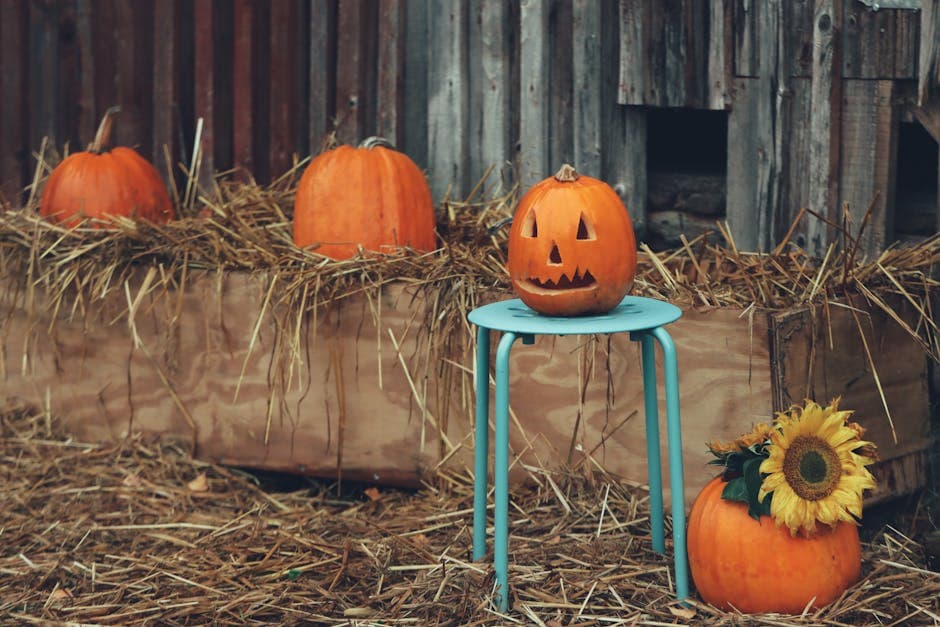
Celebrating Halloween on October 31st means costumes, carved pumpkins, and spooky decorations, usually shared with friends, family, or neighbors. People of all ages take part. The holiday also raises questions about safety, cost, and cultural sensitivity, and it helps to keep those in mind when deciding how to celebrate.
Haunted houses, treats, and playful scares give the night its own atmosphere. Below are some of the main arguments on each side, from community and creativity to waste and fear.
Pros
For many people the day is about much more than candy. These are some of the ways it can benefit individuals and communities.
Imagination and storytelling
Children in particular get to use their imagination. A costume often comes with a story about who the character is and where it comes from. Families build those narratives together around their costumes and decorations, which turns into shared moments. That kind of imaginative play may support cognitive development, and for some kids it sparks a love of storytelling that lasts long after the candy is gone.
Room for charity
The holiday lends itself well to charity. Communities run costume drives, food drives, and other events for people in need, and some organize trick-or-treat rounds where participants collect money or food donations instead of candy. Efforts like these encourage a habit of giving and a sense of social responsibility, and they bring neighbors together around a shared cause.
Closer family bonds
Within a family, Halloween is a project to do together: making costumes, putting up decorations, and planning the trick-or-treating. Working on it side by side tends to produce fond memories. Carving pumpkins or visiting a haunted house year after year can become a tradition the family looks forward to, and children learn something about teamwork along the way.
- -1
Creativity and self-expression
Costumes, decorations, and themed parties give people room to be creative. You can try on a different persona for an evening, design an outfit from scratch, or spend an afternoon carving pumpkins. Making something yourself and showing it to friends and family is fun. It can also give a small boost of confidence and a real sense of accomplishment, especially when the result turns out better than you expected it would.
- -1
A boost for local economies
In the weeks before October 31st, stores sell noticeably more costumes, candy, home decorations, and party supplies. That spending helps businesses do well, and it creates seasonal jobs. When people buy from local shops and markets, more of the money stays in the community, which can help small businesses keep going. How much a given town actually benefits depends largely on where its residents choose to do their Halloween shopping.
- -2
Community spirit and connection
Halloween gives neighbors a reason to talk to each other. People decorate their homes, organize block parties, and host trick-or-treating events, and those small interactions build a sense of belonging on the street. Sometimes they grow into friendships that last well beyond October. For people who barely know who lives three doors down, a night when everyone opens the door to strangers in costume lowers the usual barriers, and the social ties that form can make the whole neighborhood feel friendlier afterward.
Missing a pro?
Let us know which pro you are missing!
Cons
The same night that brings people together can also cause problems, some practical and some cultural.
- +1
Fear and distress
Spooky themes and horror are central to Halloween, and they don't suit everyone. Children and people with anxiety can find frightening decorations and activities genuinely distressing, even when nobody intended to scare them. Some end up staying away from the celebrations altogether, which leaves them out of something their friends and neighbors are sharing.
Safety risks and health concerns
For children especially, Halloween comes with real safety risks. Kids walking from house to house can be hit by cars, candy can contain allergens, and trick-or-treating without an adult adds hazards of its own. Parents have to keep an eye on all of it. The COVID-19 pandemic brought extra health concerns, and many families reconsidered traditional Halloween activities as a result. None of this rules out a fun evening, but it does mean taking precautions and staying alert while the festivities are going on.
Cultural appropriation and insensitivity
Some costumes and themes perpetuate stereotypes or disrespect marginalized groups, often without the wearer meaning any harm. The people being portrayed can feel alienated, and a celebration meant to be fun for everyone ends up excluding them. Before choosing a costume, it is worth thinking about what a symbol or outfit means to the culture it comes from. That takes some awareness of representation, and a willingness to change plans when an idea turns out to be hurtful, so that the celebration stays inclusive.
Waste from decorations and costumes
Halloween waste usually goes unnoticed. Single-use plastic decorations, costumes, and candy wrappers end up in landfills and in the ocean, and many themed items are made with little thought for sustainability, which makes existing environmental problems worse. Eco-friendly alternatives exist, and choosing them does reduce the impact. Still, the holiday puts so much emphasis on buying new things that environmental concerns tend to fall to the back.
Commercialization
Halloween has become heavily commercialized, and the shopping side can crowd out what the holiday was originally about. For many people it is mainly a reason to buy extravagant costumes and decorations, with community enjoyment and creativity coming second. That creates pressure to spend money, which makes the holiday harder to take part in for low-income families.
Losing touch with tradition
Trends change, and the way Halloween is celebrated changes with them. Younger generations may prefer newer, flashier celebrations and pay little attention to the holiday's history. Over time, people can grow jaded about the traditional parts. When that happens, appreciation for the cultural background fades, and some of the shared experiences that made the holiday special may disappear too.
Missing a con?
Let us know which con you are missing!
Conclusion
How much of this applies depends on how you celebrate. A homemade costume, trick-or-treating with an adult along, and a food drive in place of a candy haul avoid several of the drawbacks while keeping most of what people enjoy about the night. Households with young or anxious children may simply want to skip the scariest parts.
What do you think?
Do you think the pros outweigh the cons?