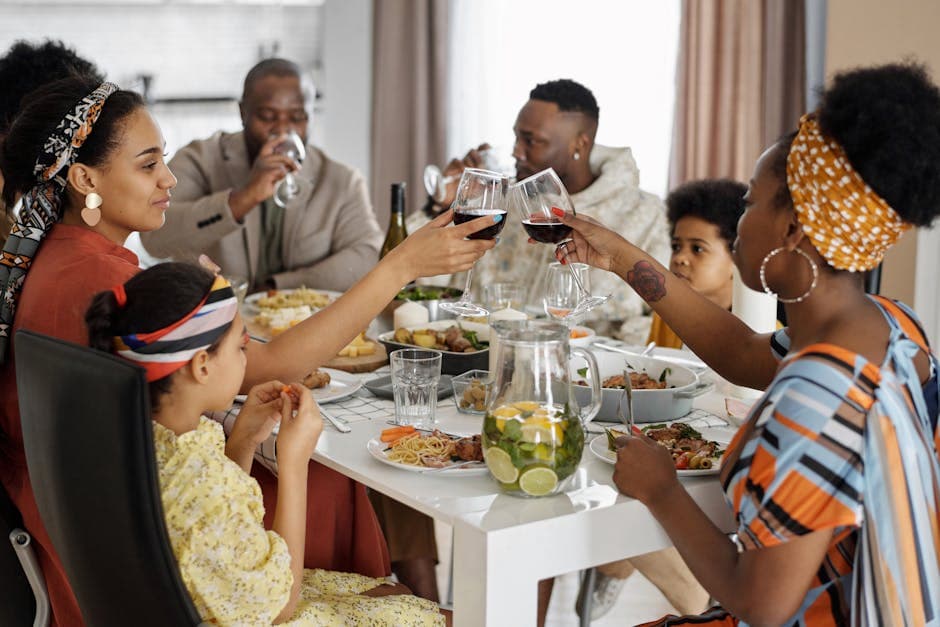
The Heartwarming and Heartbreaking Truth About Celebrating Thanksgiving
Family time and gratitude against stress and old conflicts
Celebrating Thanksgiving means gathering with family and friends around a shared meal to give thanks. For many people it is a time to reflect, to share, and to make memories. It also comes with complications.
Old family tensions, dietary needs, and the pressure of hosting can turn the day into a source of stress. Below are several of the points worth weighing, on both sides.
Pros
Most of the benefits come from people setting aside a day to be together and to think about what they are grateful for.
Stronger family bonds
Daily responsibilities have a way of crowding out time with relatives, and for many families the weeks pass with less time together than anyone would like. Thanksgiving gives them a set occasion to come together, share memories, and reconnect. That gathering can give people a sense of belonging and a reminder of how much their family relationships matter, along with a natural moment to say they love and appreciate one another. Around the dinner table, relatives can look back on shared experiences, support each other where needed, and make new memories that may stay with them for years.
A habit of gratitude
Gratitude is built into the holiday. Taking part nudges people to think about what they're thankful for and to pay attention to the good parts of their lives. Practicing gratitude may also help mental health; it is often associated with fewer feelings of depression and anxiety, though how strong that effect is probably varies from person to person. When thankfulness becomes part of the celebration, the habit can carry on after the holiday ends. Over time it might shift how someone looks at life in general, toward a more positive attitude that supports their overall well-being.
Room for different culinary traditions
Families often bring their own cultural influences to the Thanksgiving table, which makes the meal a chance to celebrate different culinary traditions. One household serves a classic turkey, another a vegan feast, a third a dish that has been in the family for generations. Putting these side by side encourages people to try new things, share cultural experiences, and feel included. Swapping recipes can also teach something. Younger family members in particular can learn about their ancestry and why certain dishes matter so much to the people who cook them.
Shared memories
For families and friends, Thanksgiving is a good occasion to make memories together, and some of those shared moments turn into stories that get retold for generations. It might be a game everyone joins in, an afternoon spent cooking side by side, or a round of each person saying what they're thankful for. Moments like these can bring people closer and leave a fond sense of nostalgia that returns each year. The laughter at these gatherings helps too, because it builds connections and can make loved ones feel they belong.
Giving back to the community
The holiday often moves people toward kindness and community service. Many families volunteer at local shelters or take part in food drives, helping people who are less fortunate than they are. The community benefits directly, and both children and adults learn something about compassion and service along the way. By encouraging a sense of responsibility toward others, Thanksgiving can make the value of community engagement more visible. For some, the habit sticks, and they keep helping others throughout the rest of the year.
Trying new food
Because Thanksgiving dishes often reflect cultural heritage, the meal leaves plenty of room to experiment. Some families try out new recipes, while others bring in traditional dishes from various backgrounds. Tasting unfamiliar food makes dinner more interesting and can broaden people's palates, so they become more open to other culinary customs as well. It also makes the day more enjoyable. In some families, a dish that was tried once ends up becoming a new tradition, one that celebrates a wider range of flavors than the meal had before.
Missing a pro?
Let us know which pro you are missing!
Cons
The downsides range from what happens at the table to what the holiday means outside it.
Family tensions
Thanksgiving gatherings can bring unresolved family conflicts to the surface, especially when relatives reunite after long periods apart. Add the stress of the holiday and running emotions, and disagreements and hurt feelings can push the gratitude aside. It gets harder when people hold differing opinions on sensitive topics, since a passing remark can turn into a confrontation. Some of this can be headed off. Setting boundaries, or talking things through openly before the gathering, can lower the tension and keep the focus on appreciation and connection.
Dietary restrictions
With food at the center of the celebration, dietary restrictions can cause friction. People are more aware of allergies and intolerances than they used to be, and of choices such as veganism or a gluten-free diet. When a host doesn't accommodate these needs, guests may feel left out or frustrated. Hosts who want everyone included usually need to plan the menu with a range of dietary preferences in mind. Clear communication beforehand helps as well, so guests feel welcome and supported and spend less of the meal worrying about what they can eat.
Commercialization
Commercialization has become a growing concern around Thanksgiving in recent years. Shopping sales like Black Friday draw attention away from what the holiday is meant to be about, which frustrates people who want to keep the focus on gratitude and family time. It can also leave people with conflicting priorities, torn between joining the festivities and heading out to shop. Pushing back mostly comes down to reminding yourself, and each other, what values the holiday stands for, and then deciding deliberately where your time goes.
Stress and the pressure to be perfect
Hosting Thanksgiving can be a lot of work, and many hosts feel pressure to deliver the perfect meal and atmosphere for their guests. Expecting a flawless day can bring anxiety and a sense of being overwhelmed, which takes much of the enjoyment out of it. Guests aren't immune either. Some feel uneasy about the social side of the gathering, or worry about whether the dish they bring is appropriate. When expectations weigh this heavily, the gratitude and togetherness the holiday is supposed to be about can easily get lost.
Environmental impact
Thanksgiving involves a great deal of food, and a fair share of it goes to waste. Many households cook far more than they need, and a lot of the leftovers often end up in landfills. Producing large turkeys, along with the agricultural practices behind them, can also harm ecosystems. Paying attention to sustainable practices and making conscious choices about how much to buy and cook can reduce the damage. Still, overindulgence is part of the tradition for many families, and that habit is hard to break.
Overlooking Indigenous voices
Thanksgiving is usually framed as a time for gratitude, but it can unintentionally keep alive cultural appropriation and misunderstandings about the history of Indigenous peoples. For many Native Americans, the holiday stands for a complex and painful legacy, tied to colonization and the loss of their land. Celebrations that ignore these voices can feed a broader story that downplays their experiences and struggles. Recognizing and respecting those perspectives while still celebrating can go a long way toward understanding and inclusion.
Missing a con?
Let us know which con you are missing!
Conclusion
If your family gets along reasonably well and the cooking can be shared, the day probably gives more than it takes. Where old conflicts run deep, or one person ends up carrying the whole meal, it helps to agree on boundaries before anyone arrives, ask guests about dietary needs in advance, and cook for the number of people actually coming.
What do you think?
Do you think the pros outweigh the cons?
You might also like 👇