Unlocking Creativity: The Advantages and Disadvantages of Midjourney
Fast, accessible image making, with real questions attached
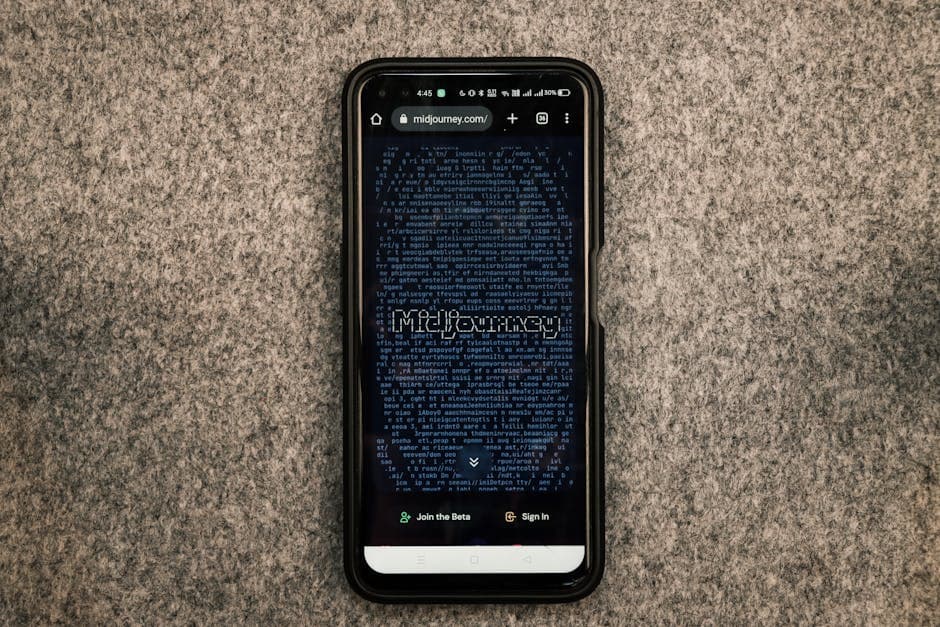
Midjourney is an AI tool that turns text prompts into images, and it has drawn a lot of attention for how good those images can look. It uses machine learning to interpret what you type. The results can span a wide range of styles and themes.
For artists, designers, and hobbyists, some of the questions are practical, like speed and cost. Others go further, touching on how artists work, who owns an image, and what happens to skills people no longer need to practice. Below are the main arguments on each side, though they are not the only ones.
Pros
Most of the advantages come down to lower barriers: less time, less money, and less training before you can make something.
- +1
A wide range of styles
Midjourney can produce images in a huge range of artistic styles from a short text prompt, so people end up trying aesthetics they might never have considered on their own. That works for a seasoned artist hunting for inspiration as much as for a beginner who wants to find out what they like. Nothing commits you to one style or medium. You can experiment freely, switching from one look to another, and now and then that freedom produces work that feels genuinely new.
Saves time and money
Making art the traditional way costs money and time. You buy materials and tools, and you spend years building the skills to use them well. Midjourney skips much of that and produces an image quickly, which cuts both the expense and the wait. The gain is biggest in commercial work. Deadlines there are tight, and the speed lets artists finish projects sooner, while for many jobs the quality of the output holds up well enough.
Open to everyone
You don't need training, equipment, or a budget to start. Anyone, whatever their experience, can type a straightforward prompt and get a compelling image back, and the interface asks for no technical skill. For people who always felt shut out of making art, because they lacked experience or the resources for supplies, that is a real change. It fits a broader push toward inclusion and lets more people take part in creative work they once thought was closed to them.
Collaborative creation
Midjourney gives teams something to work around. Artists, designers, and AI enthusiasts can mix their own ideas with concepts the AI generates, which tends to get brainstorming going. People build on each other's prompts and images. When a group brings different perspectives to the same project, the final result usually benefits, and the tool can end up feeding a small creative community.
Rapid prototyping
For artists and designers, this may be the most practical use. You can generate several variations of a concept in a short time and compare styles, colors, and compositions side by side, a process that would normally take much longer by hand. Seeing the options early makes it easier to decide which direction to pursue and then keep refining it, so the whole workflow moves faster.
Room to experiment
The AI regularly comes up with suggestions an artist would not have thought of. Many of them are unexpected, and some point toward styles or themes that fall outside the artist's usual work. Following those leads is a way to stretch your range, and it can result in unusual projects. It may also give people more appreciation for kinds of art they had previously paid little attention to.
Missing a pro?
Let us know which pro you are missing!
Cons
The drawbacks are partly about the images themselves and partly about what the tool does to artists and the art market.
Loss of artistic authenticity
Art has long been a personal, emotional expression of human experience. When an AI builds an image from a prompt, some critics argue that part of that essence gets diluted, the part that makes an original work recognizably someone's own. Their larger fear is homogenization. If many people lean on the same tool, the results may start to look alike and lose individual voice and perspective. For anyone who values art for the person behind it, that is a serious cost, and it is one of the main reasons the tool meets resistance among artists.
Ethical and copyright issues
Midjourney learns from existing artworks, and that raises open questions about ownership and originality. Who holds the rights to an image it creates? If an output closely resembles an existing piece, does it infringe on the original creator's copyright? And what does all this mean for the artists whose work served as training data? None of these has a simple answer yet. They call for serious discussion about how AI tools operate and what that means for the creators they learn from.
Over-reliance on technology
It is tempting to let the AI produce the striking images and skip the slow part. For aspiring artists, though, that slow part is where the fundamentals of traditional art get learned: drawing, painting, and understanding color theory. Skip them and those skills may never develop, and creative growth can stall. Spread across a whole generation, the risk is that new artists come up with less depth and less diversity in what they can actually do, because the tool did the work they would otherwise have practiced.
Content saturation
The more creators adopt Midjourney, the more the market fills up with similar styles and images. In that crowd, original work has a harder time standing out, and its perceived value may drop. A creator can put real effort into a piece and still struggle to get recognition when numerous look-alike images sit next to it. For now this is a risk, and it grows with every new user.
Limited grasp of context
Midjourney can make a visually impressive image and still miss the point. It often fails to grasp context or nuanced meaning, so the storytelling and emotional depth a human artist brings may be absent. Viewers who look for a deeper connection or a clear theme in a piece are likely to notice the gap. Some worry that, over time, this could weaken artistic expression more broadly.
Dependence on data quality
What Midjourney produces depends heavily on the data it was trained on. If that dataset is biased or lacks diversity, the generated images will probably reflect it, for instance by representing some groups poorly or by repeating stereotypes. That limits how inclusive the platform's output can be. It is the flip side of the accessibility argument: a tool open to everyone should ideally also represent everyone fairly.
Missing a con?
Let us know which con you are missing!
Conclusion
If you mainly need quick concepts and variations, Midjourney is probably worth trying. If you are still learning to draw, or your work depends on a personal style and clear rights to every image, treat it as a side tool and check the copyright position before using its output commercially.
What do you think?
Do you think the pros outweigh the cons?
You might also like 👇