The Intriguing World of Cosplay: Pros and Cons You Must Know
What cosplay gives you and what it asks in return
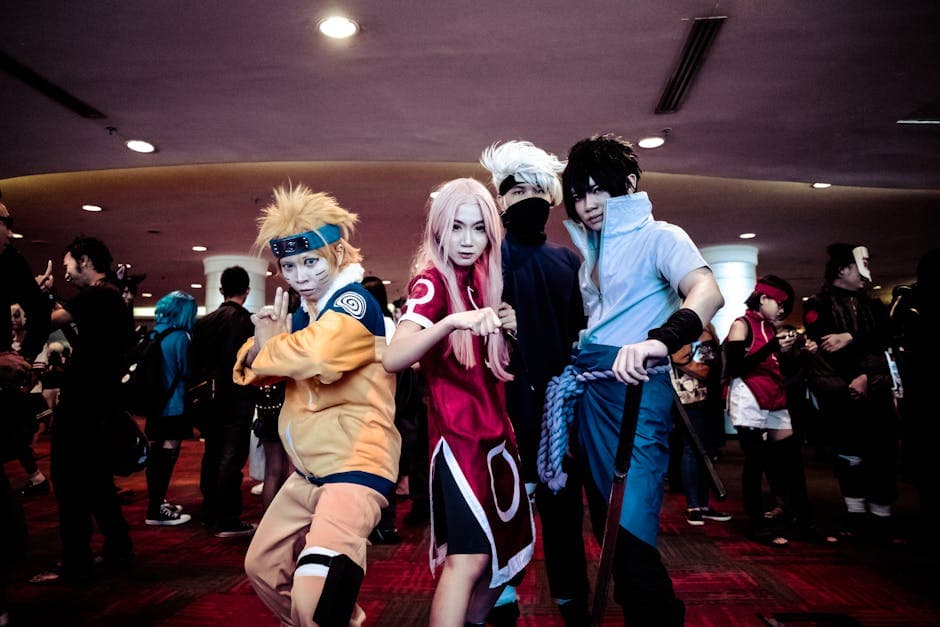
Cosplay, a blend of the words 'costume' and 'play', is a hobby in which fans dress up as characters from pop culture, anime, and games. Cosplayers usually make their own costumes, often in great detail, and play those characters at conventions and other events.
For many it grows into a real commitment. The rewards tend to come from making things and from the people you meet, while the hurdles are mostly money, time, and how others see you. Below are the main points on both sides, though how they play out depends a lot on how deep you go.
Pros
Most of the benefits come from making a costume and from wearing it among other fans.
A creative outlet
Cosplay gives people a lot of room to be creative. Making a costume involves much more than putting on clothes, because the process usually covers design, crafting, and sometimes special effects. Along the way, many cosplayers pick up new skills such as sewing, prop-making, and painting, and their artistry grows with each project. The finished costume matters, but so does the work leading up to it. Bringing a character to life step by step can be deeply fulfilling, and it lets people express parts of their personality in ways that might not show up elsewhere in their lives.
A community to belong to
Cosplay rarely stays a solo hobby for long. It opens the door to a large and varied community, where people bond over shared interests, go to conventions together, and collaborate on projects. For many, that brings a real sense of belonging and support. Advice, compliments, and experiences get shared freely, and some of the friendships that start in this setting last a lifetime. Meeting like-minded fans can also turn into networking, since some of those contacts work in artistic or professional circles.
More confidence
For some people, cosplay does a lot for their self-esteem and confidence. Stepping into the role of a favorite character gives them a new way to express themselves, and people who are usually shy sometimes find it easier to overcome that while in costume. Conventions and competitions add chances to perform and to speak in public, and those skills are useful in many parts of life outside the hobby. When others recognize the hard work and creativity that went into a costume, that appreciation can bring a strong sense of accomplishment and validation.
New crafts and techniques
The range of skills involved is wide. Cosplayers move between sewing, crafting, prop-making, and makeup artistry, and each costume tends to push their creativity and technical ability a little further. Hands-on work like this ends in something you can actually wear, and watching an idea take shape over weeks of effort is rewarding in its own way. For some people the crafts go further and lead to career opportunities in fashion, design, or other art-related fields, which makes the hobby a genuinely valuable learning experience.
Room for self-expression
Choosing a character is itself a form of self-expression. People tend to pick characters and themes that reflect their own interests or values, and wearing that character in public can feel freeing. Some cosplayers use their costumes to communicate ideas or social messages, which can spark conversations and help fans appreciate the diversity within the fandom. In that sense a cosplayer is also a storyteller, using a costume and a performance to share something of their own with the people around them.
Missing a pro?
Let us know which pro you are missing!
Cons
Some of the downsides are practical. Others are harder to see from the outside.
The cost
Cosplay can get expensive, and for many people the money is the biggest drawback. A good costume often calls for quality materials and tools, sometimes paid professional help as well, and those costs add up quickly. Events bring their own bills: tickets, travel, and accommodation. Even people who try to build on a budget often spend more than they planned once they start chasing accuracy and detail. For younger cosplayers, or anyone with limited resources, the cost can be a real barrier to getting started at all.
Time and deadlines
An elaborate costume takes a long time to make. Weeks or even months of work are common, partly because the community places so much value on detail and quality. That investment can be rewarding, but for someone who is also juggling a job or school it can become overwhelming. Tight deadlines before an event add pressure, and the resulting stress or burnout can take much of the enjoyment out of the hobby. Most aspiring cosplayers end up weighing how much time they can realistically give against how much they care about the craft.
Judgment from others
Not everyone reacts kindly. The cosplay community is generally supportive, yet negativity and competition still show up in it. Critics may pick at a costume's accuracy, at the wearer's body, or at their skill level, and comments like that can leave people feeling they are not good enough. For newcomers, this kind of scrutiny can spoil a pastime that is supposed to be fun, and it keeps some people from engaging fully. Staying in the hobby often means learning to handle these social dynamics and building enough resilience that the negativity does not wear you down.
Physical strain
Costumes can be hard on the body, something that is easy to overlook in the excitement of cosplay. Heavy materials, elaborate designs, and extra props can cause fatigue and restricted movement, and in some cases even injury. Skin irritation, heat exhaustion, and trouble getting around are also possible, especially at conventions where people walk and stand for hours. Knowing what a costume will demand physically before wearing it for a full day helps keep the experience positive without giving up comfort or safety.
Self-doubt and comparison
Comparison is a common trap. Experienced cosplayers share a great deal of polished work online, and newcomers who measure themselves against it may feel pressured to meet standards that seem out of reach. This kind of self-doubt, often described as imposter syndrome, can keep people from participating fully and can stifle their creativity. It usually helps to treat your own progress as a personal path and to make the costumes you want to make, without feeling you have to measure up to someone else's benchmark.
Missing a con?
Let us know which con you are missing!
Conclusion
The hobby scales. A simple costume built with skills you already have takes far less time and money than a detailed, accurate build, and it still gets you into the community. Matching the first project to your budget and skill level is probably the most useful decision a newcomer can make.
What do you think?
Do you think the pros outweigh the cons?