The Pros and Cons of Travelling to Europe
What a European trip offers and what it can cost you
Travelling to Europe is a long-held wish for many people. Paris has its landmarks, Norway its fjords, Rome its ancient ruins, and Greece its beaches, and that is only a small sample of what the continent covers.
There are downsides as well, from crowds and costs to paperwork at the border. Below are some of the main points to weigh before you book.
Pros
Millions of people visit Europe every year. These are some of the reasons.
Rich cultural diversity
Europe packs a lot of cultures, languages, and traditions into a fairly small area. In the south you find a Mediterranean way of life, while the north has Nordic customs that feel quite different, so a single trip can take you through several cultural worlds. You might eat pasta in Italy one week, watch flamenco in Spain the next, and then spend a long afternoon among the art and history of the Louvre in Paris. That much variety this close together is hard to find.
Efficient transport network
Getting around is usually easy. High-speed trains, well-connected airports, and extensive bus services link much of the continent, which means you can see several countries and cities in a short trip without losing whole days to travel. For anyone with limited holiday time, that counts for a lot, because more of the trip is spent actually being somewhere.
Historical landmarks and architecture
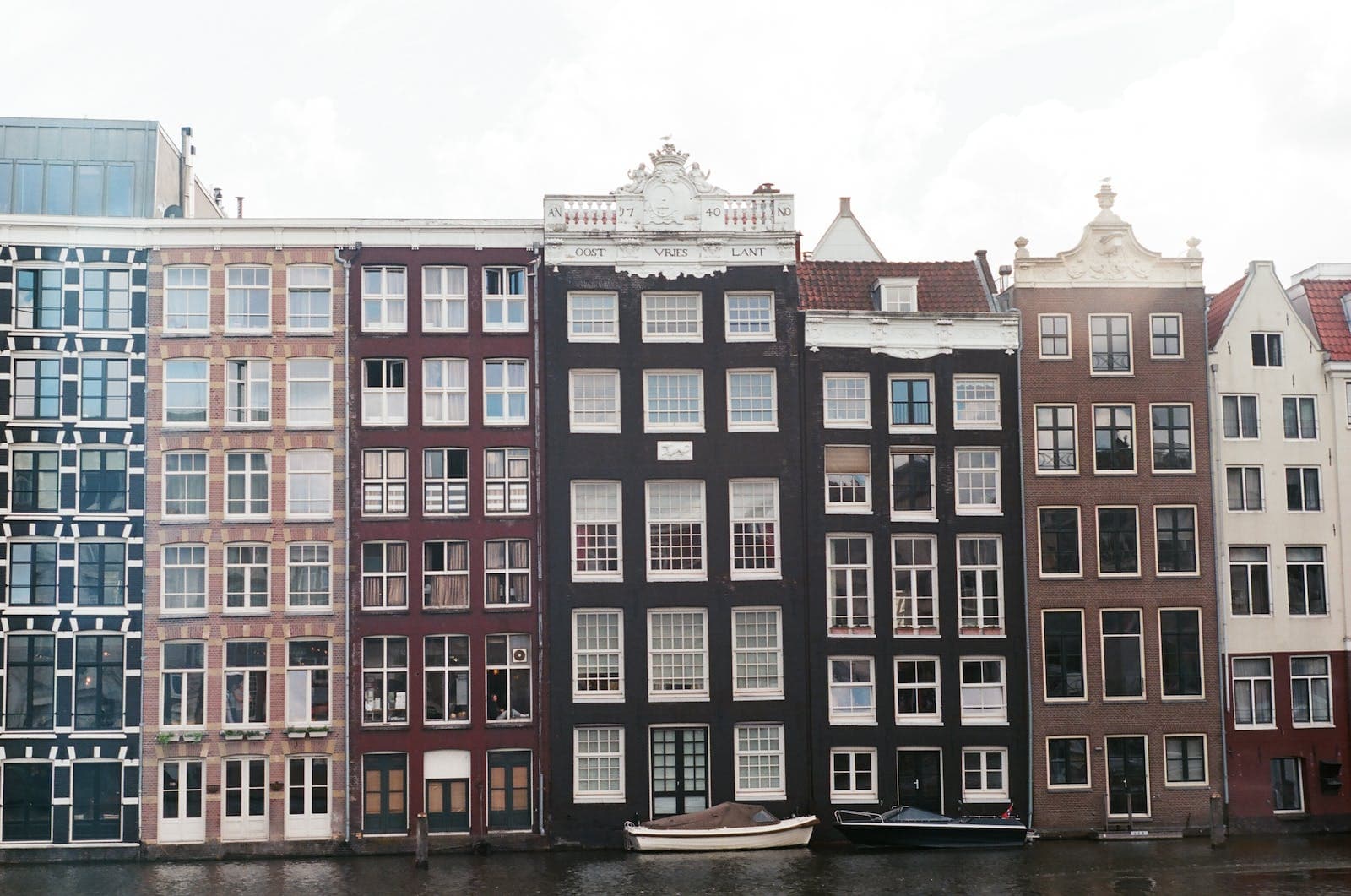
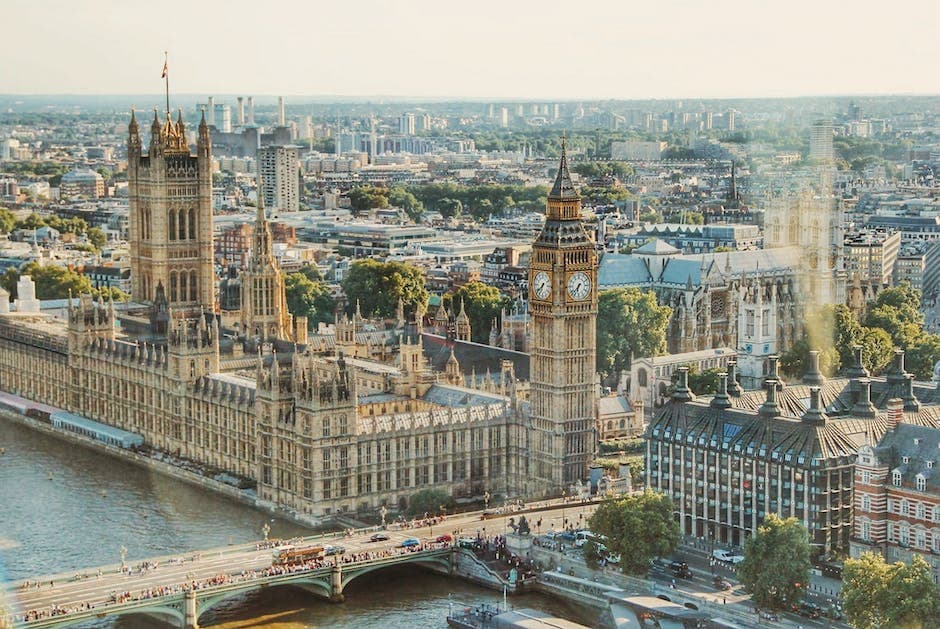
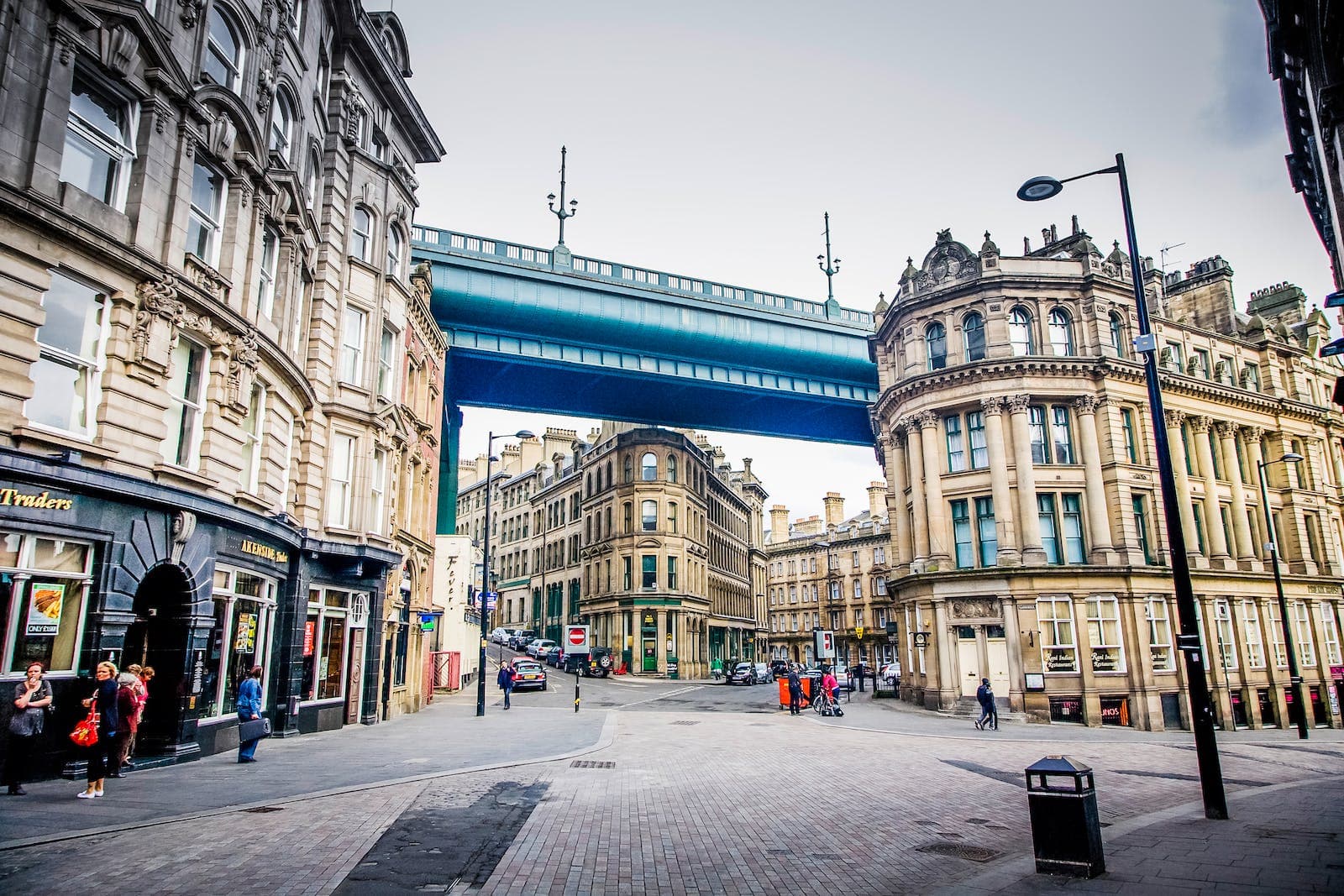
History is everywhere. Rome has the Colosseum, Paris the Eiffel Tower, Germany its medieval castles, and Amsterdam its canals, and those are only the best-known names. If you enjoy old buildings and the stories behind them, or you are simply curious about the past, there is far more to see than one trip can cover.
Diverse and scenic landscapes
The scenery changes a great deal from one region to the next. You can hike in the Swiss Alps, take a cruise along the Norwegian fjords, or spend lazy days on a Greek beach, and the Mediterranean coastline alone could fill several holidays. People who like being outdoors tend to find plenty here, whatever kind of nature they prefer.
Food
European food has a strong reputation around the world, mostly for its variety and quality. Each country has its own kitchen: pastries in France, hearty sausages in Germany, and fresh seafood in Spain, to name only three. If eating well is part of why you travel, Europe gives you a lot to work with, and you can spend a whole trip doing little else.
Favourable exchange rates in some countries
Depending on where you come from and which countries you visit, the exchange rate may work in your favour. In those places your money goes further, so shopping, eating out, and accommodation feel more affordable. How much this applies varies a lot by destination, as the point on costs further down shows.
Easy travel between countries
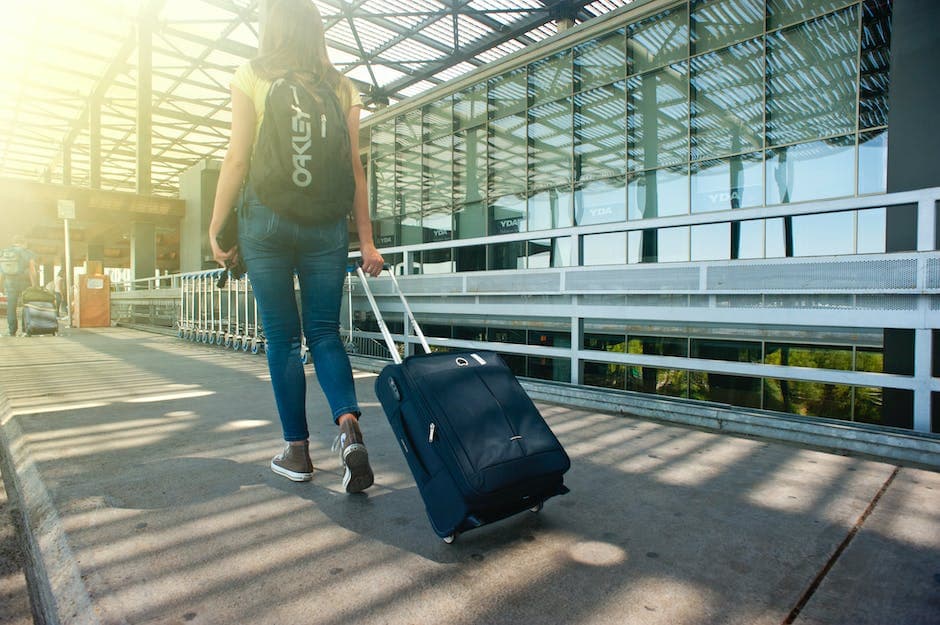
Once you are in Europe, moving from one country to another is usually simple. Open borders and good transport connections mean you can cross into the next country without a long journey or a fresh round of visa paperwork each time. That makes it practical to combine several cultures in a single trip.
Missing a pro?
Let us know which pro you are missing!
Cons
A European trip has its frustrations too. Some are practical, and others depend on where you go and when.
Crowded tourist hotspots
The famous places are often packed. Iconic landmarks and popular cities draw large crowds, above all in peak season, and that means long queues and attractions where you spend more time dodging other visitors than looking around. If you travel for peace and quiet, this can spoil a good part of the trip. Going outside the busiest months probably helps, though the best-known sights are rarely empty.
Language barriers and cultural differences
With so many languages spoken across the continent, travellers who speak only one may run into trouble. English is common in many tourist areas. Leave those areas, though, and communication can get harder, while unfamiliar customs can make some situations awkward or confusing. How much that bothers you depends largely on how adventurous you are.
High costs
Europe can be expensive, especially in popular cities and tourist destinations. Accommodation, meals, and transport add up quickly, and a budget that looked comfortable at home can shrink fast. The euro is a strong currency, too, so visitors from countries with weaker currencies may find the eurozone particularly pricey. Whether Europe feels cheap or dear depends heavily on the currency you earn in.
Unpredictable weather
The weather does not always cooperate. Mediterranean summers can be scorching, winters in northern Europe are cold, and conditions can be hard to predict from one day to the next. If your plans rely on outdoor activities or long days of sightseeing, the weather you actually get may not match the one you expected. Packing for more than one kind of weather is probably wise.
Visa requirements and border controls
For travellers from outside the EU, getting into Europe can take some organising. Depending on your nationality, you may need a visa, have to meet specific entry rules, and go through border checks on arrival. None of this is usually insurmountable, but it adds steps and some stress to the planning, and first-time visitors tend to feel that most.
Effects of over-tourism
Some popular destinations struggle with the sheer number of visitors. Environmental damage, strained infrastructure, and pressure on local communities are among the problems. As a visitor you notice them too, in places that feel worn down or less pleasant than you had hoped.
Scams and pickpocketing
Certain European cities are known for scams and pickpockets aimed at tourists. Staying alert and keeping your valuables secure goes a long way, but it does mean you cannot fully relax in busy places.
Missing a con?
Let us know which con you are missing!
Conclusion
Which of these points matter most depends largely on your passport, your currency, and when you can travel. If you are stuck with peak season, budget extra for the popular cities and keep a close eye on your belongings. If you can go outside it, and your money is strong against the euro, the crowds and the costs both tend to shrink.
What do you think?
Do you think the pros outweigh the cons?
You might also like 👇