The Pros and Cons of Using a Raincoat for Your Dog
Dry walks and less mess, weighed against fit and comfort
A raincoat for your dog sounds like a simple answer to wet walks, and often it is. It keeps rain and cold off your pet. It can also feel uncomfortable, fit badly, or make a dog too warm.
Here are the points worth weighing on each side, so you can judge whether a coat suits your own dog.
Pros
These are the main reasons owners reach for one.
Protection from the elements
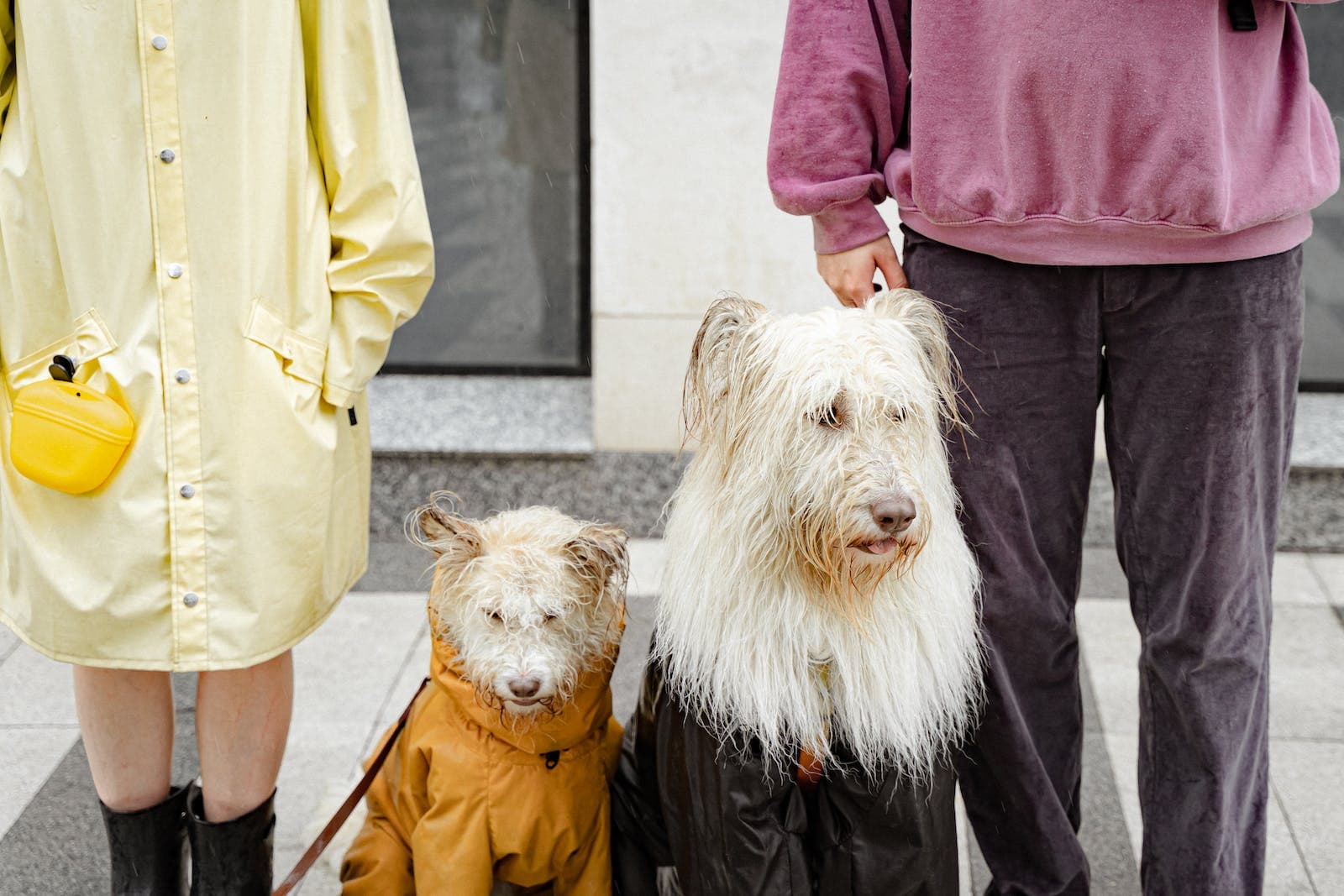
A raincoat shields your dog from rain, snow, and wind. Keeping them dry spares them the discomfort of coming home soaked through, and staying wet for long can also contribute to health problems, though how much depends on the dog and the weather.
Keeping body temperature up
When it's cold and wet, a coat helps your dog hold on to their body heat, so they don't get chilled as quickly. Small and short-haired breeds feel the cold more than most, and they are probably the ones who gain the most from wearing one.
Less mess after walks
Put a raincoat on your dog before a walk and a lot less dirt, mud, and water comes back into the house with them. That usually means far less cleaning up for you once you're home.
Better visibility
Plenty of dog raincoats come in bright colors or with reflective material. On dark mornings and evenings, or whenever the light is poor, that makes your dog easier to spot for drivers and other people on the path, which adds a bit of safety to the walk.
Useful for dogs with special needs
For a dog with certain health conditions, or one recovering from surgery, a raincoat helps keep the body and any stitches dry and clean. That can make the recovery more comfortable for the dog, and it may help it go a little faster too.
Fashion and style
Some owners simply like how a coat looks. With different colors, patterns, and styles to choose from, a raincoat lets your dog stand out a little and can say something about their personality. It keeps them dry and comfortable at the same time, so the looks come at no cost.
Travel and outdoor activities
If you like hiking, camping, or trips to the beach, a raincoat makes it much easier to bring your dog along, whatever the weather does. You spend less time worrying about them getting wet or cold on the way. Both of you will probably enjoy the outing more because of it.
Missing a pro?
Let us know which pro you are missing!
Cons
And these are the things that can go wrong.
Comfort and freedom of movement
Not every dog takes to a raincoat. Some find it uncomfortable or restrictive, especially if they have never worn clothing before, so watch closely how your dog behaves and moves the first few times they have one on.
Getting the size and fit right
Fit matters a lot here. A coat that sits badly can chafe and feel uncomfortable, and it may not keep the rain out where it should. Sizes also differ between brands and styles, so you'll need to measure your dog carefully and choose with some care rather than guess.
Risk of overheating
On mild or humid days, a raincoat can make your dog too warm, particularly when they're running or playing hard. If you use one in warmer weather, keep an eye out for signs that your dog is uncomfortable or starting to overheat.
Training and getting used to it
Dogs that aren't used to clothing may need time before they accept a raincoat. Expect this to take patience. Getting them used to it step by step, with plenty of positive reinforcement along the way, usually helps them feel at ease in it.
Maintenance and cleaning
A raincoat needs regular cleaning and the occasional repair if it's going to keep working and last. Some dogs also chew at their coat or try to wriggle out of it, which means more supervision on walks and more training at home.
Social interaction
A coat that feels uncomfortable or strange to your dog can change how they carry themselves around other dogs. Because it may alter their body language and the way they communicate with other dogs, it could lead to misunderstandings during play or when you meet others on walks.
Limits on performance
In agility training or competitive sports, a raincoat might get in the way of your dog's movement and agility, and their performance can suffer for it. If your dog takes part in activities like these, think about their specific needs and abilities before putting a coat on them.
Missing a con?
Let us know which con you are missing!
Conclusion
Your dog's build and habits settle most of this. A small, short-haired dog walked on cold, wet evenings is likely to benefit, while a dog who runs hard on mild, humid days may be better off without one. If you do buy a coat, measure your dog first, since sizes vary between brands, and give them time to get used to it before the first rainy walk.
What do you think?
Do you think the pros outweigh the cons?