Exploring the Magnificent Montana: Advantages and Disadvantages
Scenery and space, set against winters and long distances
Montana, nicknamed the Treasure State, stretches from the Great Plains to the Rocky Mountains. Its landscapes, wildlife, and history draw plenty of visitors, and some of them end up thinking about moving there.
The points below cover what tends to matter to both groups: the outdoors and the way of life on one side, and weather, distance, and work on the other. It is not everything, but it is a reasonable place to start.
Pros
Here is what Montana tends to offer visitors and residents.
Breathtaking scenery
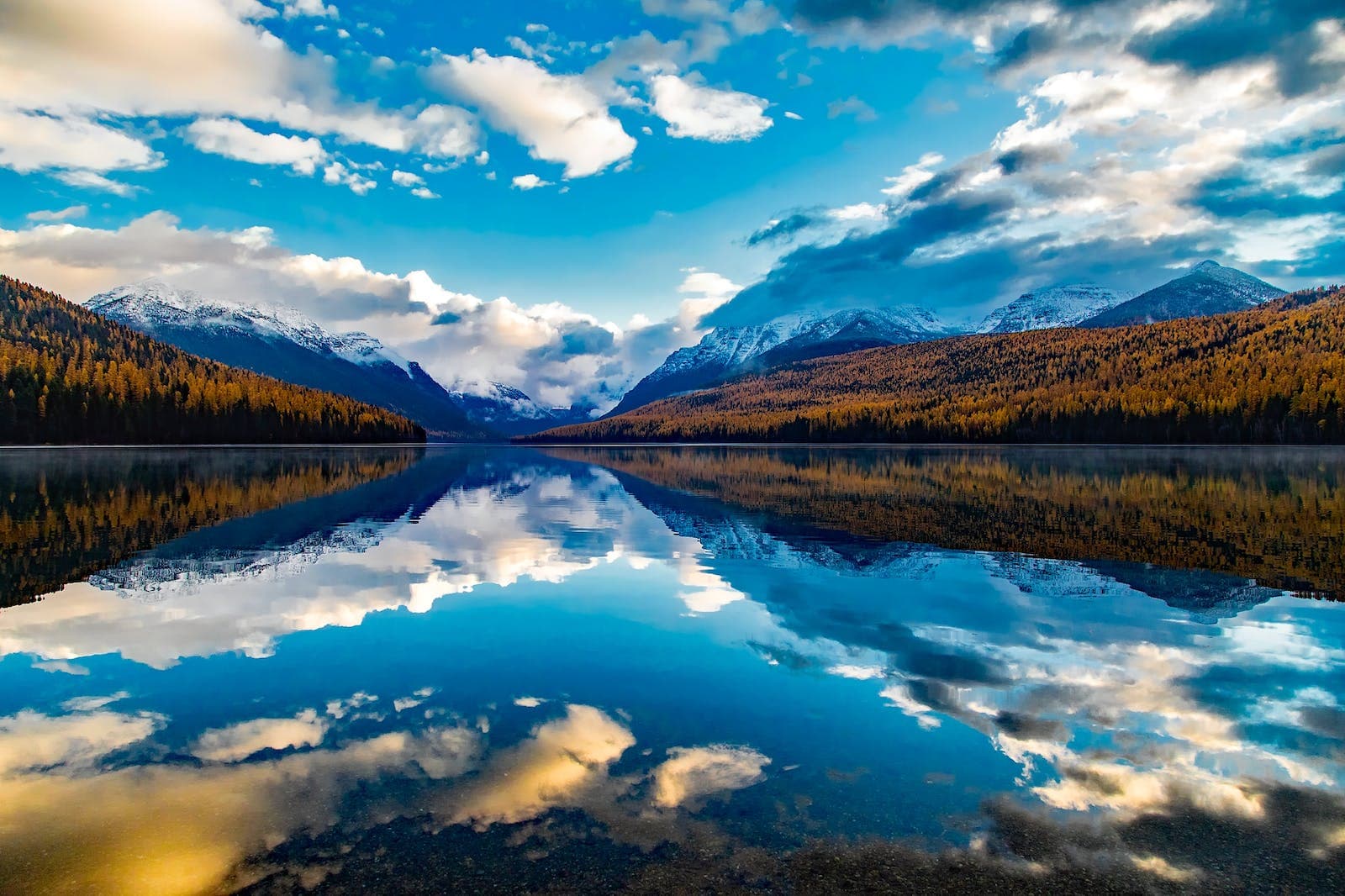
The Rocky Mountains, clear rivers, and large forests give Montana much of its reputation. In most parts of the state you are not far from a landscape worth stopping for, which is why photographers, hikers, and people who simply like being outdoors keep coming back.
Outdoor recreation
Montana has national parks, a long list of hiking trails, and several ski resorts. If you like hiking, fishing, skiing, or watching wildlife, you will probably run out of time before you run out of places to do it.
Low population density
Few people live here for a state this size. If you are tired of crowded cities, that means quiet and a lot of open space, and for anyone who wants a slower pace of life, it can feel like a kind of freedom.
Cultural heritage
Native American traditions, cowboy culture, and stories from the Wild West all shape Montana's history. Visitors can see some of it at historic sites and museums, and several annual events celebrate that heritage.
No sales tax
Montana has no statewide sales tax. For people who live there, that can mean noticeable savings on everyday goods and services compared with many other states.
Affordable cost of living
Compared with many other US states, living in Montana is fairly affordable. Housing, utilities, and daily expenses often cost less, so residents can usually live comfortably on a moderate budget. That is the general picture, though, and it depends on where in the state you settle.
Strong sense of community
Montana has a reputation for close communities, with neighbors who often step in to help one another. In towns like that, residents tend to feel they belong, and they have a network of people they can rely on when something goes wrong.
Missing a pro?
Let us know which pro you are missing!
Cons
And here is what can make it harder.
Harsh winters
Winters are hard. Temperatures drop to bitter lows and heavy snow is common, which makes the cold months a real test of patience and preparation, particularly if you have never lived through a serious winter before.
Limited healthcare access
In rural parts of Montana, hospitals and specialist care can be hard to reach. That matters most for people who need ongoing or specialized treatment, and in an emergency the distance to the nearest facility can become a serious problem.
Isolation and distance
The sheer size of the state can feel isolating, especially if you live somewhere remote. Towns and cities are far apart, so trips take longer, and shops, services, and other amenities may be a long drive away.
Fewer job opportunities
Work can be harder to find than scenery. Depending on your field, openings may be scarce, and landing stable employment usually takes more effort than it would in a large metropolitan area.
Wildlife encounters
The same wildlife that draws people here includes animals that can be dangerous. Whether you are visiting or living in Montana, it pays to stay alert and learn the basics of wildlife safety before heading out, since that lowers the risk considerably.
Limited diversity
Montana's population is not very diverse, and the range of cultural experiences is narrower than in larger cities. If you want a multicultural environment, you may find that the state offers less variety than you are used to.
Seasonal tourist crowds
In peak tourist season, some parts of Montana fill up. Expect traffic on busy routes, longer waits at popular attractions, and competition for places to stay in the most sought-after spots. It is an odd contrast with the empty spaces elsewhere in the state.
Missing a con?
Let us know which con you are missing!
Conclusion
If you are only visiting, most of the cons come down to planning: pick your season, book early for the summer, and read up on wildlife safety before you go. Moving is a different decision, and it usually turns on work, access to healthcare, and whether you can live with a long winter far from the next town.
What do you think?
Do you think the pros outweigh the cons?
You might also like 👇