The Pros and Cons of Living in New Zealand
Scenery and space, weighed against distance and cost
Living in New Zealand appeals to many people for its scenery, its mix of cultures, and a high quality of life. It also has drawbacks, some practical and some personal. Below are the main points on both sides, though your own situation will probably add a few more.
Pros
Most of the advantages have to do with nature, space, and how people live from day to day.
- +1
High quality of life
Quality of life in New Zealand is generally high. Several things feed into that: attention to work-life balance, good healthcare, and a relatively low crime rate. Residents also have access to decent education and social services, and the country tends to treat the well-being of its population as a priority.
Natural beauty
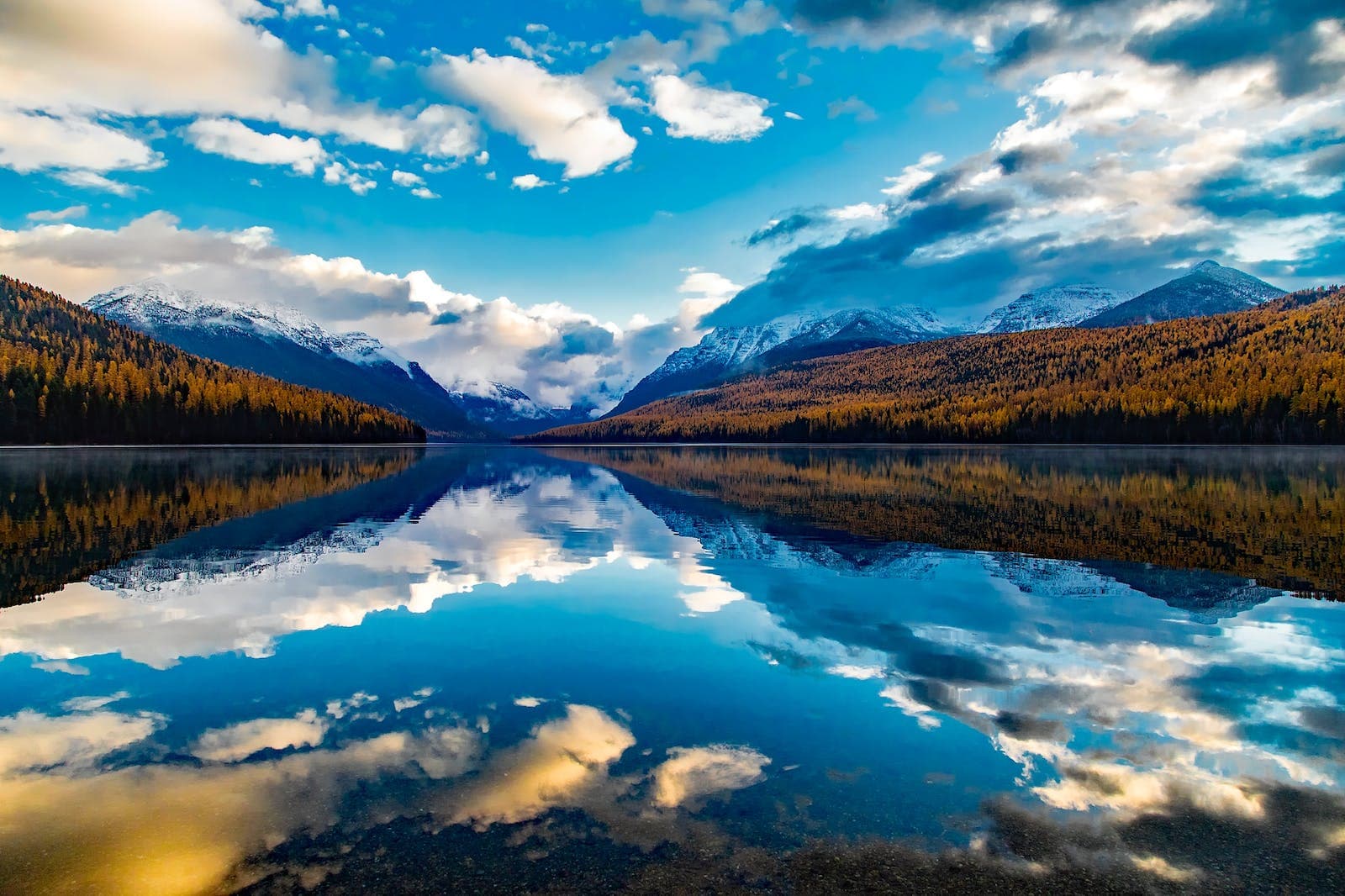
New Zealand is known for its scenery. Mountains, beaches, forests, and fjords are all part of it, and for residents much of this lies close enough to enjoy in everyday life, without planning a big trip. If you love nature or spend your free time outdoors, that counts for a lot.
Multicultural society
New Zealand is a multicultural country. On the whole it makes room for people from different backgrounds, which can make the welcome easier for newcomers. The mix of cultures also gives society a lively character and broadens what residents get to experience.
Outdoor recreation
Hiking, skiing, water sports, and wildlife encounters are all within easy reach for most residents. The landscape works as one large playground, and the range of options is wide enough that children, adults, and older people can each find something that suits them.
Work-life balance
The pace of life is fairly relaxed. Many employers offer flexible working arrangements and expect staff to keep work and leisure in balance, which tends to be good for people's well-being over time. This overlaps with quality of life, but it deserves its own mention if long working hours are what you hope to leave behind.
Low population density
Even with its cities and their amenities, New Zealand has relatively few people for its size. That gives residents room and quiet. It also makes it easier to relax and to stay close to nature, wherever you happen to live.
Stable economy
The economy is generally seen as strong and stable. New Zealand has well-developed infrastructure, a reputation for innovation and entrepreneurship, and a focus on sustainable development. Together these support jobs and a relatively high standard of living, although, as the cons below show, opportunities vary a good deal by industry.
Public healthcare
Healthcare is publicly funded, so medical care is accessible and affordable for residents. The system puts real weight on prevention and on people's general well-being. If healthcare is high on your list when choosing where to live, this is a strong point in the country's favour.
Missing a pro?
Let us know which pro you are missing!
Cons
The downsides are mostly about distance, money, and the practical work of settling in.
- +1
Schooling for expatriate families
Families with children face an extra task: getting to grips with the school system. Expatriates need to understand the curriculum, find a suitable school, and sometimes deal with language barriers. It takes research and careful planning, and for some parents the whole process feels daunting.
Isolation and distance
New Zealand is a long way from the major global hubs. That distance can feel isolating, and it limits access to some goods and services as well as to international travel options. For people who want to see friends and family abroad often, it is usually a real drawback.
High cost of living
Living costs are relatively high, especially in the cities. Housing, groceries, and transport all add up, and expatriates and other newcomers often find they need to budget carefully to live comfortably. It helps to work out your expected costs before you arrive, since prices in urban areas can be a significant concern.
Limited job opportunities
Some industries have few openings, and people with specialised skills or qualifications can find that their field is small. In competitive sectors, landing a job or moving up can be hard for some residents. Check the demand in your own field before you decide to move.
Natural disasters
New Zealand lies on the Pacific Ring of Fire, so earthquakes and volcanic eruptions are real risks, along with severe weather. The country has well-developed emergency management. Even so, some residents worry about what a major event could mean for them.
Adapting to a different culture
Moving to another country means adjusting, and New Zealand is no exception. Local customs, attitudes, and social norms take time to understand, and settling in properly may call for patience. Some people find this harder than others do.
Housing market pressures
In some cities the housing market is competitive. Renters and first-time buyers in particular can struggle to find something suitable at a price they can manage, and families face the same affordability problem. It adds to the general pressure of the cost of living.
Limited public transport
Public transport is limited, and in rural areas the options are thin. Most people depend on a car. In the cities that leads to congestion and environmental concerns, and in the countryside it makes remote places hard to reach without one.
Missing a con?
Let us know which con you are missing!
Conclusion
If the outdoors, space, and a slower pace matter most to you, New Zealand has a lot to offer. If you need to see family abroad often, work in a narrow specialism, or plan to live on a tight budget in a city, check the job market and housing costs in the specific place you have in mind before you commit.
What do you think?
Do you think the pros outweigh the cons?
You might also like 👇