The Pros and Cons of Living in Norway
Fjords and welfare against dark winters and high prices
Living in Norway means fjords and mountains close at hand, a high standard of living, and a strong welfare system. It also means long, dark winters and prices that can come as a shock.
People move here for work, for study, or simply for a change of scenery. Whichever applies to you, the points below cover the main things to weigh, though your own situation will probably add a few more.
Pros
For people who want a high quality of life, Norway has a lot going for it.
Natural beauty
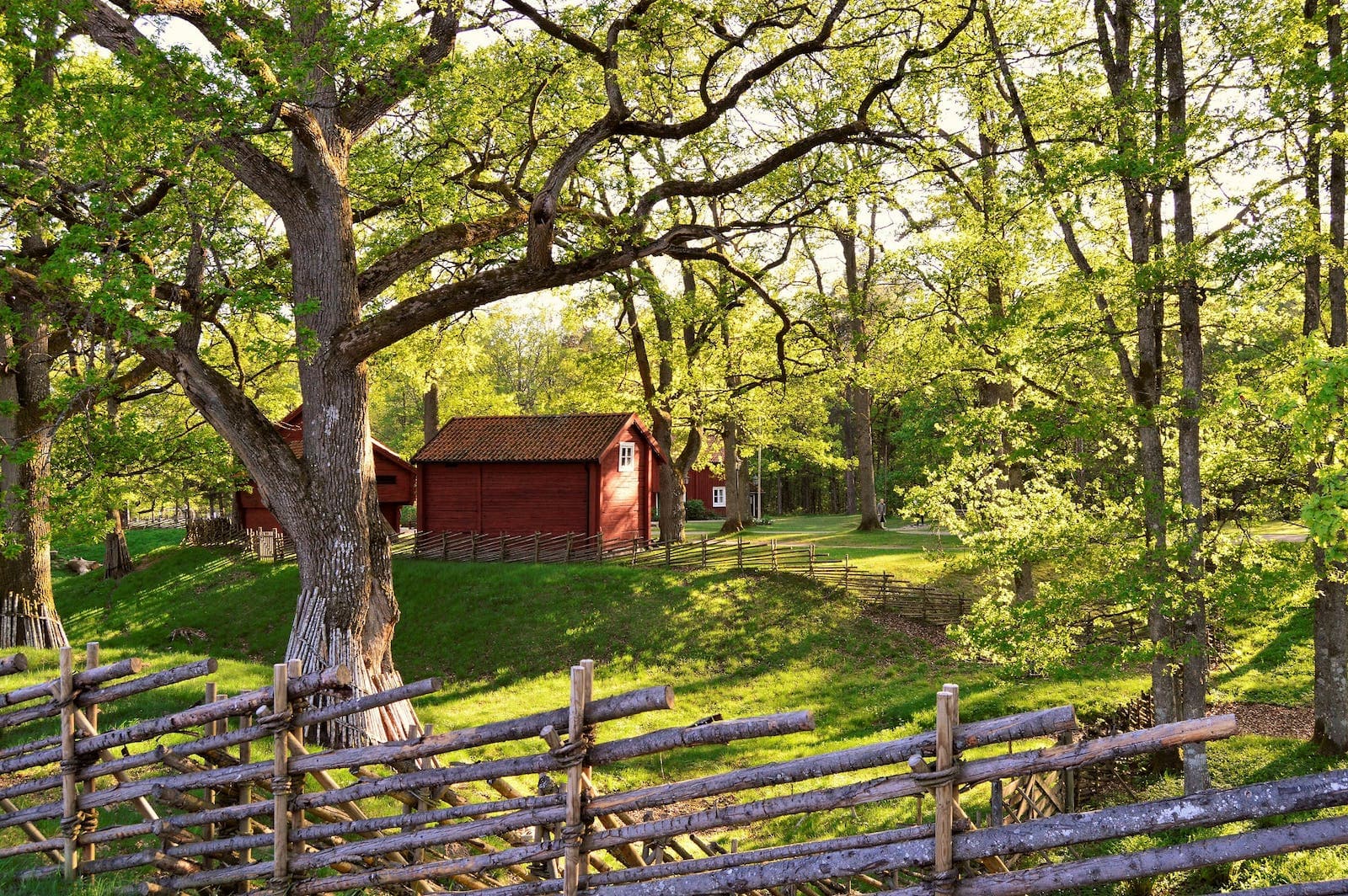
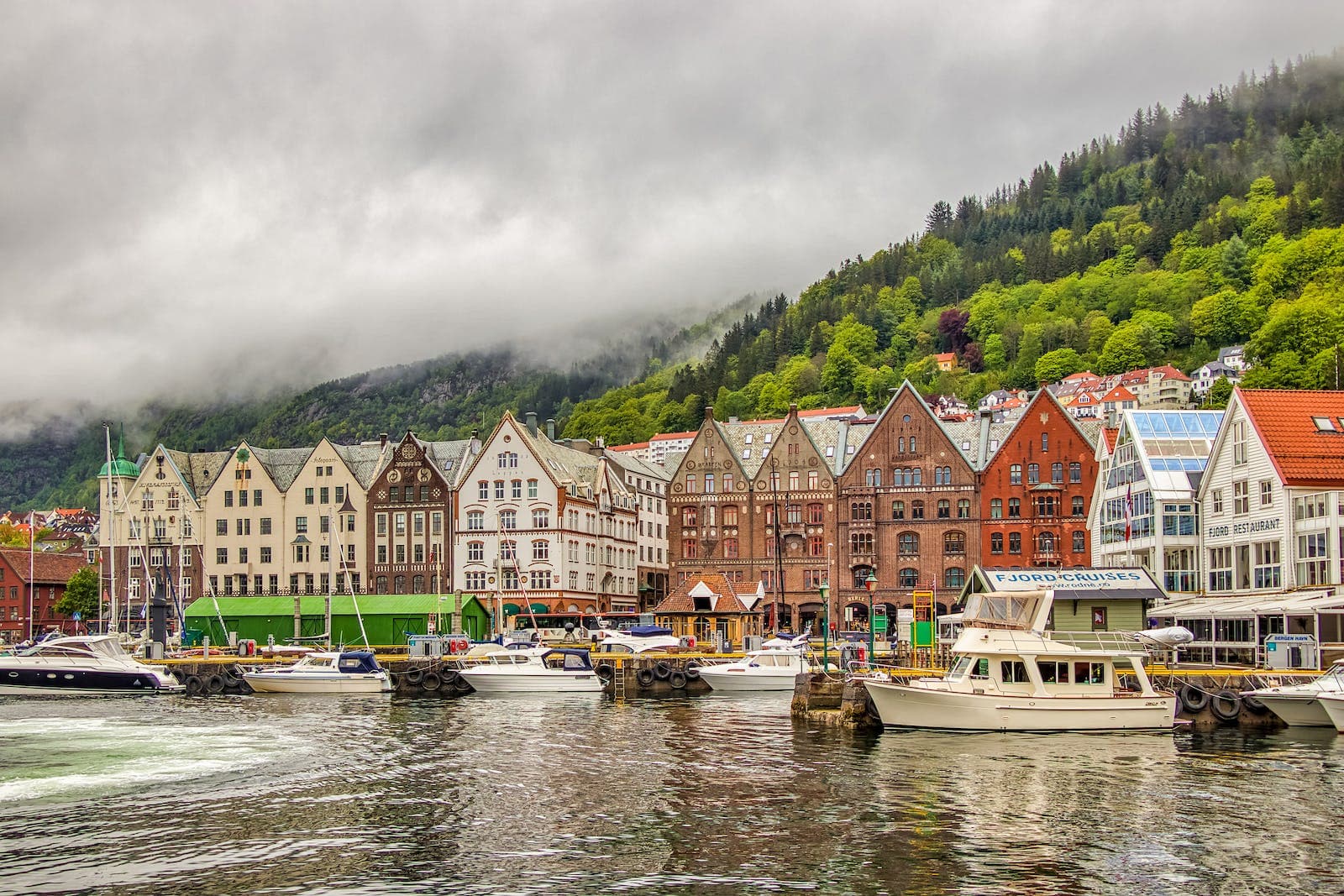
Fjords, mountains, and small coastal villages make Norway a good fit for anyone who loves nature. The country takes conservation seriously, so residents get clean air, clean water, and landscapes that stay largely unspoiled.
High standard of living
Norway tends to rank near the top of international quality-of-life indexes. Healthcare, education, and infrastructure are generally of high quality, which makes daily life safe and comfortable.
Strong welfare system
The welfare system covers healthcare, education, parental leave, and social security. Knowing that support exists when things go wrong gives many residents a steady sense of security.
Cultural life
Cultural life ranges from modern art galleries to traditional folk festivals. If you want to get involved, there is plenty of art, music, and literature to take part in, and the society behind it keeps changing.
Outdoor lifestyle
Norwegians love being outside. The habit tends to rub off on newcomers, with skiing in winter and hiking in summer, and the landscape offers far more chances for adventure than most people will ever use.
Safety
Crime rates are low and the atmosphere is generally peaceful. That gives most residents a sense of ease in everyday life, which counts for a lot when you judge how good life somewhere really is.
Work-life balance
Strong labour laws and a culture that values free time make work-life balance a real priority in Norway. In practice, people usually have more hours left over for family, hobbies, and their own interests.
Missing a pro?
Let us know which pro you are missing!
Cons
The picture-perfect image has another side. These drawbacks are worth thinking through before you move.
Harsh winters
Winters are long and cold, which can be hard if you come from a milder climate. Low temperatures combined with short days affect some people's mental well-being, although how much depends a great deal on the person.
High cost of living
Goods and services cost noticeably more than in many other countries. Housing, food, and entertainment can easily take up a large share of your monthly budget.
Cultural adjustment
Getting used to a new culture and a new language takes effort. Many expats run into obstacles when they try to fit into Norwegian society and make friends.
Bureaucracy
Residency permits, tax rules, and other administrative procedures can be complicated for newcomers. Expect the paperwork to take time.
Limited job opportunities
The economy is strong, yet finding a suitable job can be difficult in some sectors. This is especially true if you don't speak Norwegian.
Little sunlight in winter
During the winter months there is very little daylight, and the darkness can pull down mood and energy levels. Residents usually have to find their own ways of coping with the long stretches of dark days.
Social integration
Expatriates and immigrants often find Norwegian social life hard to break into. Cultural differences play a part, and locals tend to be reserved. Building a network of friends and feeling fully at home usually takes time and effort.
Missing a con?
Let us know which con you are missing!
Conclusion
Which side wins depends mostly on what you can live with day to day. If dark winters drain you, or your career depends on sectors where Norwegian is expected, those two points deserve the most weight in your decision.
What do you think?
Do you think the pros outweigh the cons?
You might also like 👇