The Thrilling Experience of Ziplining Adventures
Views and thrills versus safety, weather, and nature
Ziplining adventures let you fly over forests and canyons on a cable, and for many travelers that is reason enough to book one. The speed and the views draw thrill-seekers and nature lovers alike. Like any adventure sport, though, ziplining comes with downsides worth thinking about first.
Below are the main points on both sides, from the scenery and the rush to safety, accessibility, and the effect on the places where courses are built. They should help whether you are planning your first ride or already have a few behind you.
Pros
Most of the appeal comes down to what you see and how it feels to move through the air, though there is more to it than that.
Unique perspective of nature
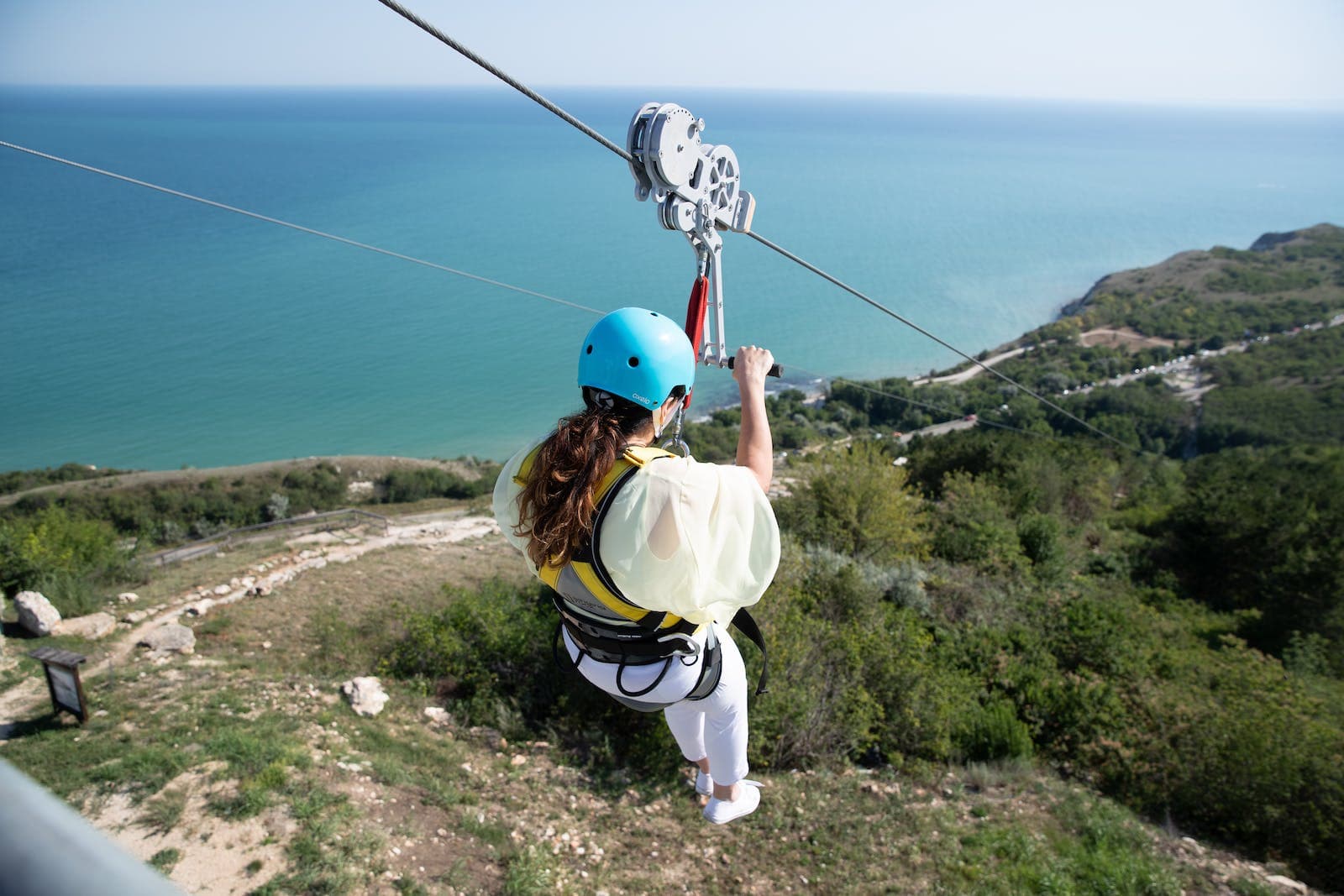
From a zipline you see landscapes that are rarely accessible on foot. You glide through the tops of trees, cross over canyons, and take in views that a hiking trail usually can't offer. Because you move through the scenery yourself, high above the ground, the experience feels immersive and stays with you, and for many people it leaves a deeper appreciation of the environment they just crossed.
Adrenaline rush and thrill
This is the main reason most people sign up. Speed and height together produce a rush that few other outdoor activities match, which makes ziplining a natural fit for anyone who loves adventure. For a few minutes you step outside your ordinary routine, and the feeling of exhilaration tends to last well after you have unclipped from the line and your feet are back on the ground.
Engaging outdoor exercise
Ziplining doubles as exercise. Moving from one line to the next and making your way across challenging terrain between platforms takes physical coordination and a fair amount of strength. You spend time outdoors and get your body working at the same time, all while having fun, which is why people who care about fitness often find it an appealing way to stay active.
Adventure and exploration
On a trip, a zipline tour can take you to parts of a destination you might not otherwise reach. Depending on the course, you could pass over a hidden valley, glide above a pristine river, or cross several different ecosystems in a single outing. That adds novelty to travel. It also gives you memories to take home, and for people who love to travel it usually feeds the urge to see more places.
Unforgettable memories and experiences
People often remember a zipline day for years. The mix of real excitement and scenery that makes you stop and stare leaves a strong impression, and it is the kind of outing that comes up again whenever friends swap travel stories. For some, it becomes one of those extraordinary moments they count as part of their own life story and look back on fondly.
Enhanced confidence and resilience
A zipline course usually asks you to face some fear, if only at the moment you step off the first platform. Doing it anyway, and then finishing the whole course, can give you a real sense of accomplishment. That feeling may build self-confidence and resilience, and some people find it does their mental and emotional well-being a lot of good.
Strengthened bonds and team building
Going with friends, family, or colleagues adds a social side. You cheer each other on, help the nervous ones get through their fear, and share the relief at the end. That shared experience can bring a group closer and build a sense of unity, which is why ziplining works well as a team outing, and the memories are ones you all have in common.
Missing a pro?
Let us know which pro you are missing!
Cons
The drawbacks range from personal safety to concerns about the landscapes that make ziplining attractive in the first place.
Environmental impact and ecological considerations
In sensitive natural habitats, a zipline course can cause ecological disruption. Installing the lines may affect local plants, and a steady influx of visitors can disturb wildlife and shift the balance of the ecosystem. How serious this is depends a lot on where the course is built. If it matters to you, look at how an operator handles its environmental footprint and choose ones that work sustainably to limit the damage.
Accessibility and inclusivity limitations
Not everyone can take part. Courses are often set in rugged terrain and make physical demands that can exclude people with mobility challenges or disabilities. Operators could do more to accommodate different accessibility needs, and until more of them do, anyone with physical limitations should ask ahead what is possible on a particular course or tour before making plans around it.
Weather-dependent nature of ziplining
Ziplines depend on the weather. Strong winds, heavy rain, or thunderstorms can make a course unsafe or impossible to operate, so tours get cancelled or moved at short notice. If you are on a tight travel schedule, that can be a real disappointment. Build some flexibility into your plans, and have a backup in mind in case your slot falls through.
Commercialization and overcrowding
As ziplining has grown more popular, some well-known locations have become crowded and heavily commercial. Overdevelopment, packed tour schedules, and experiences sold like a product can strip away the calm and the sense of authenticity. When you are waiting in a crowd for your turn, the close connection with nature that ziplining is supposed to offer becomes much harder to feel.
Potential discomfort and physical strain
Some rides mean hanging in a harness for long stretches, and that is not always comfortable. It can cause discomfort or physical strain, particularly for people with certain health conditions or mobility challenges. If that applies to you, think carefully about the physical demands of the course before you commit to it.
Impact on local wildlife and habitat
Animals living near a course pay a price too. Building and running a zipline facility in a natural area can disrupt their habitat, and the lines, the platforms, and the constant human activity may disturb them and change how they behave. Over time, those disturbances can add up to a long-term ecological impact on the area.
- -1
Risk of accidents and injuries
Ziplining carries real risk. Falls, collisions, and equipment malfunctions can cause serious injuries, and the danger grows when an operator is lax about safety measures or uses poorly maintained gear. How safe your ride is depends heavily on the facility and the people running it, so check that they follow strict safety protocols and keep their equipment reliable before you book.
Missing a con?
Let us know which con you are missing!
Conclusion
If you decide to go, the operator matters more than the destination. A company that enforces strict safety rules, maintains its gear, limits group sizes, and takes its impact on the surrounding habitat seriously addresses several of the cons at once. Ask about weather policies and physical requirements before you pay, especially if your travel dates are fixed or you have health or mobility concerns.
What do you think?
Do you think the pros outweigh the cons?
You might also like 👇