The Great Outdoors: Exploring the Advantages and Disadvantages of Camping
Time in nature against weather, effort, and discomfort
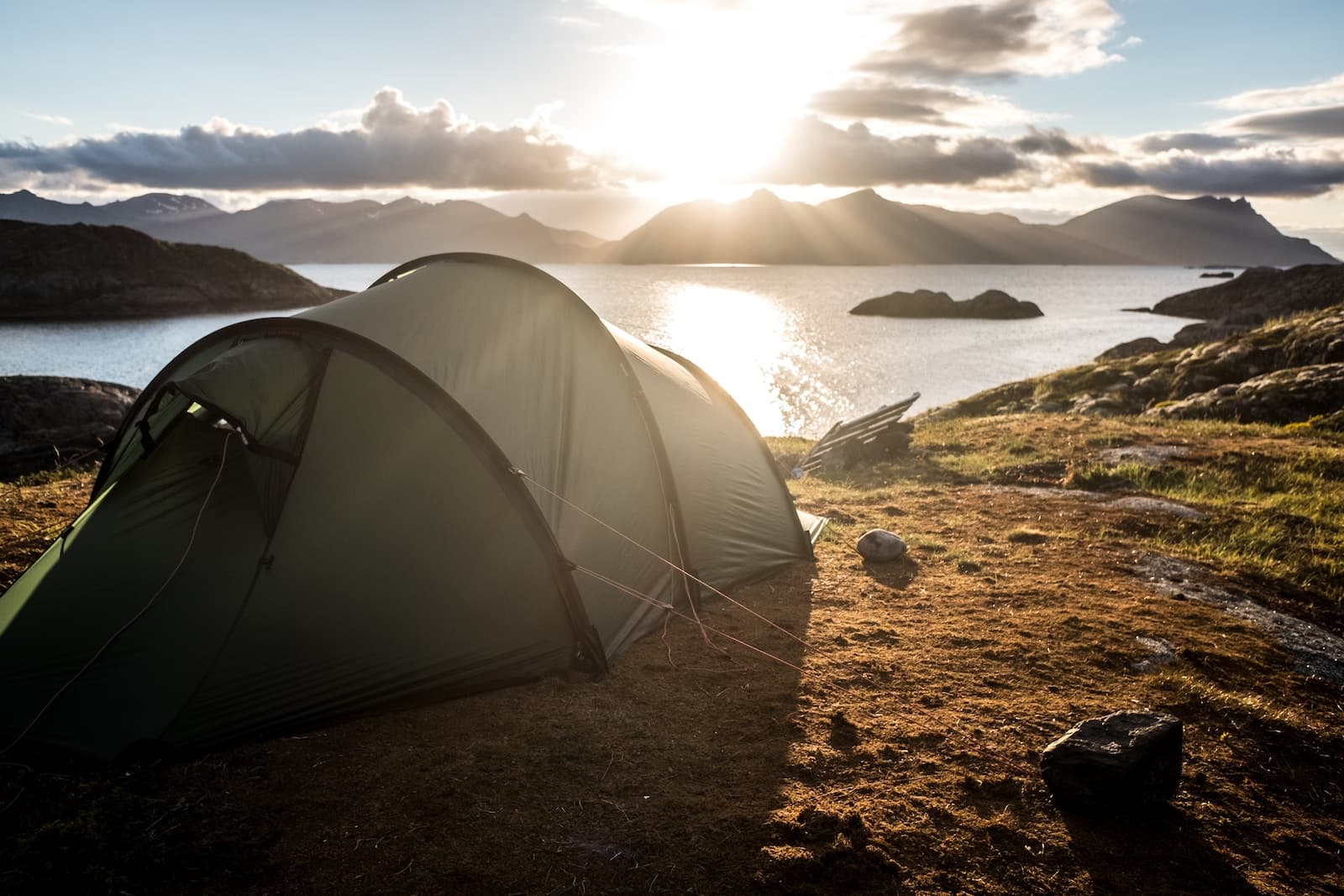
Camping is a way to step away from busy modern life and spend time in nature. The term covers a lot: pitching a tent in the wilderness is one version, parking a camper van at a designated site is another, and the people who do it vary just as widely. Like any activity, it has upsides and downsides worth weighing before you go.
The peace of natural surroundings sits right next to the unpredictability of the weather. Below are some of the main points on each side, though your own trip may well add others.
Pros
Whether you love nature or just want a break from the daily routine, camping has a fair amount to offer.
Connection with nature
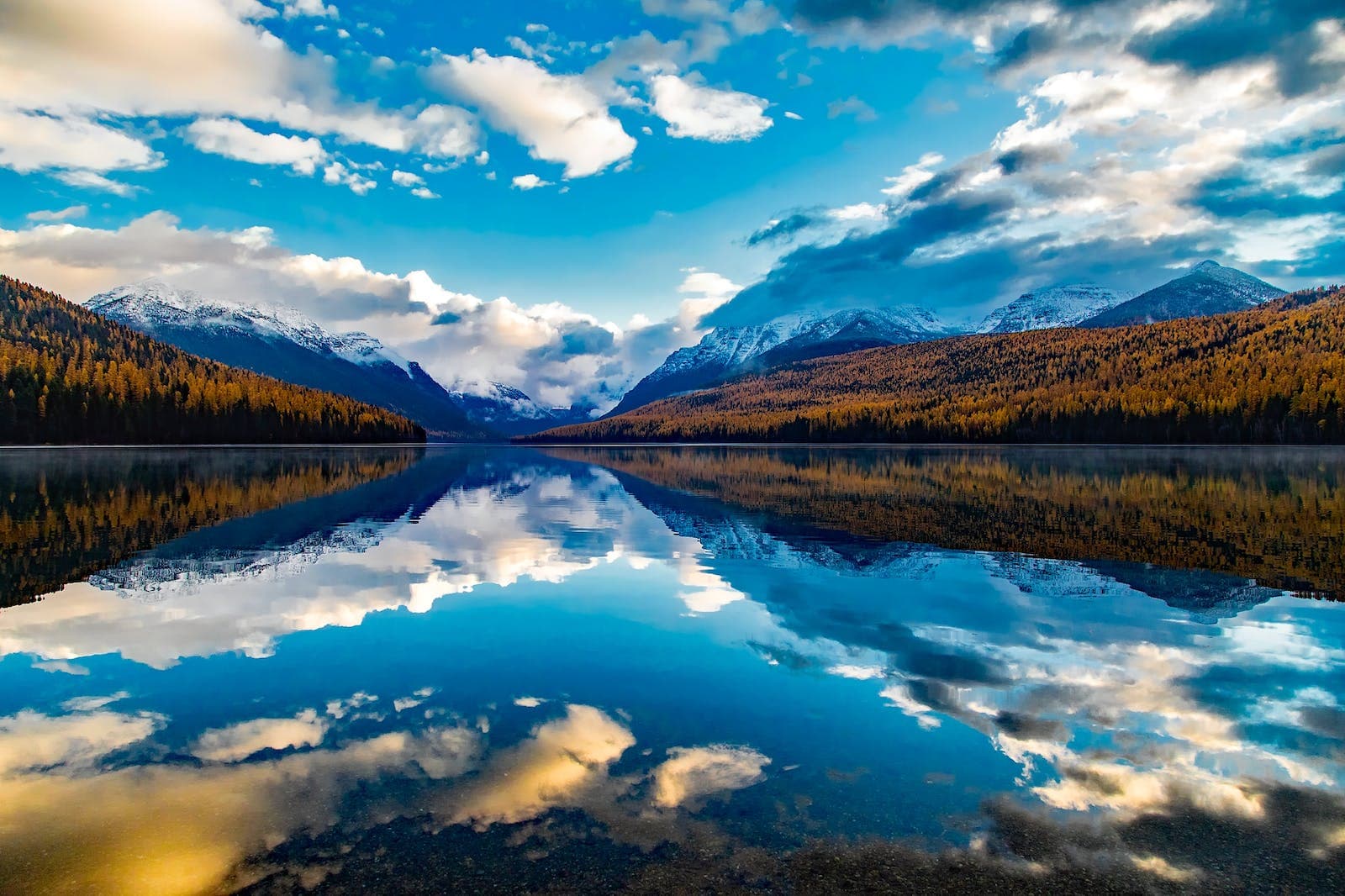
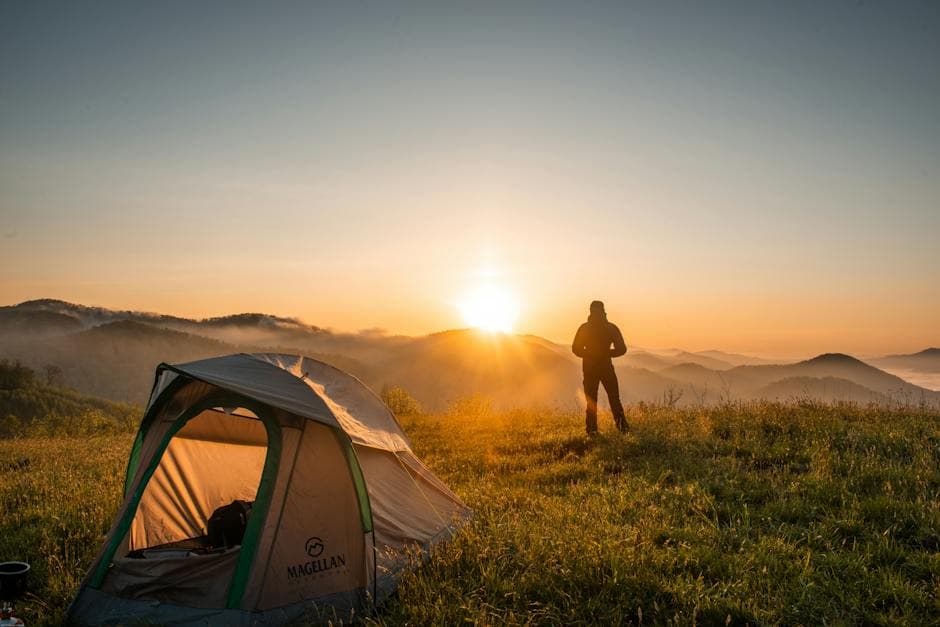
Camping puts you in the middle of the natural world, often for days at a time. You wake up to birdsong, and on a clear night the stars are right above the tent. For many people that closeness builds a real attachment to the environment, along with a sharper eye for how beautiful wild places can be.
Unplugging from technology
At a campsite, most people leave the distractions of modern technology behind, at least partly. Without screens and devices, the days slow down. Campers tend to pay more attention to what is around them, and the stress that comes with being constantly connected usually eases.
Affordability and accessibility
Camping is often cheaper than a traditional holiday. A tent pitch in a national park or a spot for an RV in a designated area usually costs less than conventional accommodation, and such places are within reach for many people. That combination makes it attractive for anyone who likes being outdoors.
Physical and mental health benefits
Time spent in nature is often associated with better physical and mental health. Camping tends to get people moving, since hiking and exploring are part of most trips. The natural surroundings also have a calming effect, so a few days outside can leave both mind and body feeling refreshed.
Bonding and social connections
Few settings suit relationships as well as a campsite. You share stories around the campfire, do things as a group, or simply spend unhurried time with the people you came with. Those hours together often bring people closer, and they tend to produce memories that stick.
Skill development
Setting up camp, starting a fire, cooking outdoors, and finding your way through natural terrain are all things you learn by doing. Camping gives you the chance. These practical skills make you more self-sufficient and can help you cope, and in a pinch survive, in a range of outdoor environments.
Stress reduction
Many campers find they relax faster outdoors. Fresh air, quiet natural surroundings, and physical activity all play a part, and after a few days the pressures of daily life usually feel further away. For people who badly need to unwind and recharge, that alone can justify a trip.
Missing a pro?
Let us know which pro you are missing!
Cons
The drawbacks are real too, and knowing them in advance makes it easier to prepare.
Weather vulnerability
Weather is one of the least predictable parts of any camping trip. A sudden rain shower or an unexpected swing in temperature can change how comfortable you are and, with it, how much you enjoy the trip as a whole. Campers need gear and plans that cover a range of conditions.
Logistical considerations
A camping trip takes planning. Equipment, supplies, and meals all have to be thought through in advance, and the gear then has to be transported and set up on site. Once you arrive, amenities are usually limited. For people used to more convenient living arrangements, that amount of organizing can be a real hurdle.
Wildlife encounters and safety concerns
Seeing animals up close can be a highlight. It also carries risk. Campers may run into species they don't know and can't predict, and a campsite that isn't kept safe and orderly invites trouble. Staying alert and taking precautions before anything happens usually keeps wildlife-related incidents to a minimum.
Comfort and amenities
Compared with traditional accommodation, camping usually means some discomfort, and people who aren't used to living outdoors feel it most. Facilities are limited and often shared, and many modern conveniences are missing altogether. If comfort and convenience matter a lot to you, this may well be the biggest drawback.
Environmental impact and conservation
More campers means more feet in natural habitats, and that can leave marks: soil erosion, damaged vegetation, and waste. How much harm is done depends largely on behavior. Campers who act responsibly and stick to sustainable habits can keep their ecological footprint small, but it takes deliberate effort.
Risk of injuries
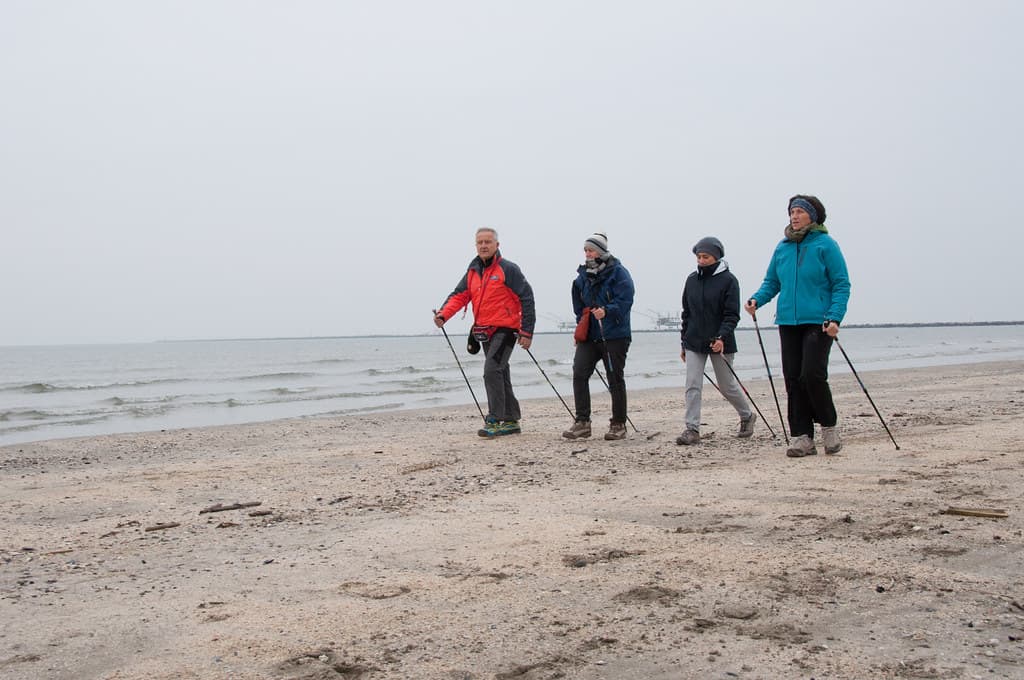
Hiking, rock climbing, and even handling camping equipment all come with a risk of getting hurt. Falls, burns, and cuts are the typical hazards. Paying careful attention and preparing well lowers the odds of an accident, though it can't remove them completely.
Limited facilities for personal needs
At remote sites, showers, toilets, and medical facilities may be scarce or missing. Campers have to adapt to basic living conditions and bring what they need for personal hygiene and health care themselves, since they can't count on finding it nearby once they are there.
Missing a con?
Let us know which con you are missing!
Conclusion
Whether camping suits you probably depends on how much discomfort and planning you will accept in exchange for time outdoors. If you're unsure, a short stay at a designated site with shared facilities is a lower-stakes test than a remote spot far from showers, toilets, and medical help.
What do you think?
Do you think the pros outweigh the cons?
You might also like 👇