Unlocking the Truth: The Advantages and Disadvantages of a Vegan Lifestyle
Health, ethics, and the planet against cost and effort
A vegan lifestyle means leaving out all animal products, and it has become far more popular in recent years. Supporters point to better health, less damage to the environment, and the welfare of animals. As more people try it, the downsides get more attention too.
For many, going vegan changes more than what's on the plate. It can touch on identity, personal philosophy, and how you get along with the people you eat with. Some find real satisfaction in it, others find the practical side harder than expected. Below are the main arguments on each side, which should help you judge how well it would fit your own values and health goals.
Pros
Most of the advantages fall into three areas: your own health, the environment, and animals. A few are simply about enjoying food more.
- +1
A healthier heart
Heart health is the advantage people mention most often. A plant-based diet is usually low in saturated fat and contains little or no cholesterol, and both of those can lower the risk of heart disease considerably. Many vegans also report better digestion and easier weight control, which they put down to the large amount of fiber in plant foods. Lower rates of hypertension, type 2 diabetes, and certain cancers have been reported among vegans as well, although it is hard to say how much of that comes from the diet alone and how much from other habits. Still, if your meals are built on fruit, vegetables, whole grains, and legumes, you take in a lot of essential nutrients and leave out much of what makes a typical diet harmful.
- +1
Living by your values on animal welfare
For many people, ethics is the main reason to go vegan. Industrial farming often treats animals inhumanely, and refusing to buy its products is a form of activism you can practice at every meal. Vegans tend to extend their concern beyond pets to all living beings. That shared conviction brings like-minded people together, and plenty of vegans say the sense of community that grows out of it matters to them. Acting on what you believe usually gives a feeling of personal fulfillment, and each person who makes the switch adds a little weight to a broader movement toward treating animals with more compassion.
A smaller environmental footprint
Animal farming uses enormous amounts of land and water. It degrades land on a large scale and produces greenhouse gases that contribute to climate change. Plant-based diets need fewer of those resources and generally lead to lower emissions, so going vegan can shrink your ecological footprint by a fair margin. The savings in land and water in particular can be large when you compare a vegan diet with one based on meat. For someone who wants their daily habits to put less pressure on the environment, that makes veganism one of the more effective personal choices available, even if one household's diet obviously can't solve environmental problems on its own.
Better digestion
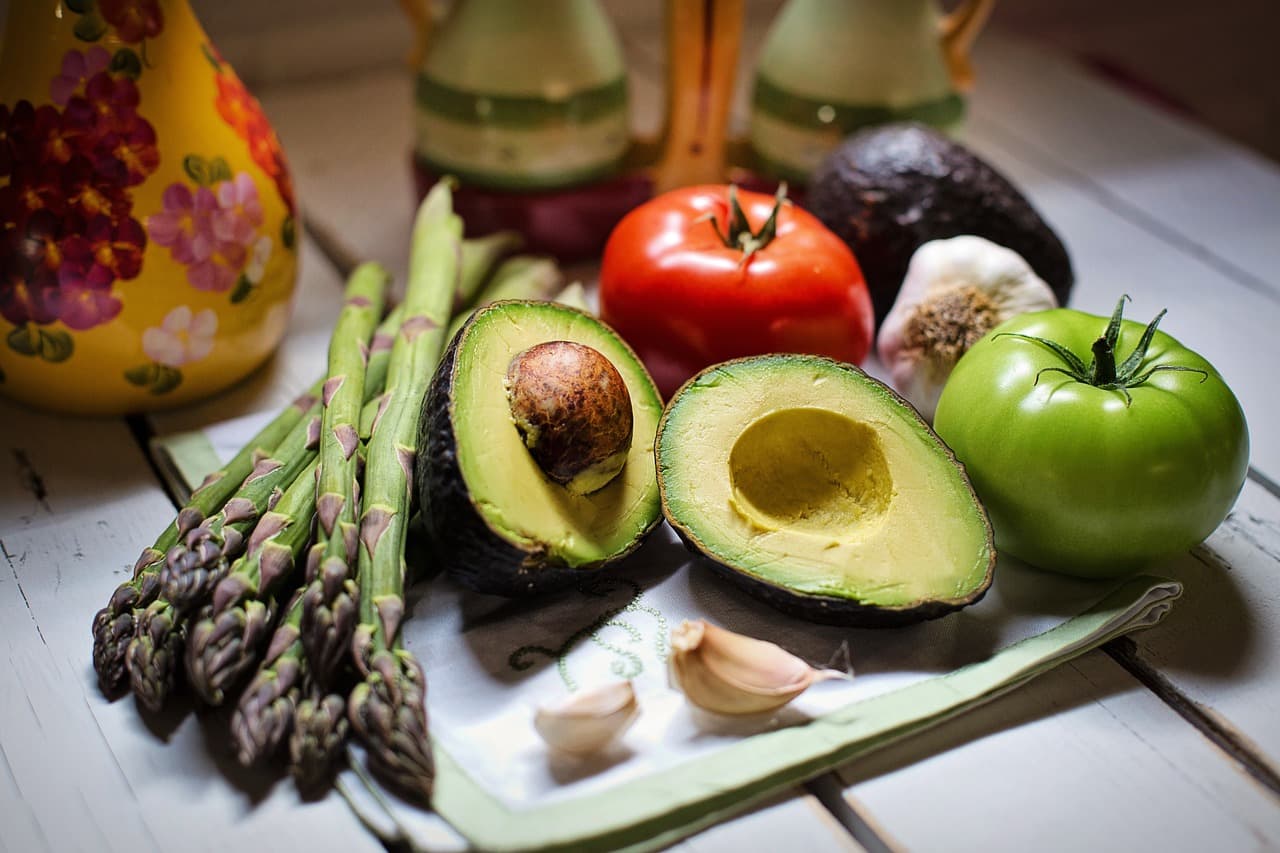
Fruit, vegetables, whole grains, and legumes are all high in dietary fiber, and a vegan diet typically contains a good mix of them. Eating more fiber tends to mean more regular bowel movements and fewer gastrointestinal problems. It also feeds the beneficial bacteria in your gut, and those bacteria play a real part in your general health. When your digestive system works well, your body absorbs nutrients more effectively, and some people find that this gives them noticeably more energy through the day.
Easier weight management
Many people find their weight easier to manage on a vegan diet. Plant foods are often lower in calories and saturated fat than animal products, which makes a healthy weight simpler to maintain. If you eat mostly whole, unprocessed foods, you will probably take in fewer calories without counting them, while still getting plenty of nutrients. For those who want to lose a few pounds, this can be an approach that works and that they can keep up over the long term.
New ingredients and flavors
Cutting out animal products pushes you to cook differently. While looking for plant-based alternatives, many people come across ingredients and flavors from cuisines they had never tried before, often from other cultures. That usually makes them more inventive in the kitchen and broadens what they like to eat. Trying new recipes and dishes can also bring a sense of adventure and excitement back to food. For a lot of vegans, mealtime turns into something they enjoy and learn from.
Missing a pro?
Let us know which pro you are missing!
Cons
The drawbacks are mostly practical. Nutrition, money, time, and social situations all take more thought, and knowing that in advance makes the change easier to prepare for.
- +1
The pull of processed vegan food
Vegan does not automatically mean healthy. Plenty of vegan products are made from wholesome ingredients, but the market for vegan convenience food has grown quickly, and many of those pre-packaged products are heavily processed. They can be high in sugar, sodium, and unhealthy fats. If you come to rely on them, you can lose much of the health benefit that made the diet attractive in the first place. Ready-made alternatives are fine now and then, as long as most of what you eat is whole, nutrient-dense food.
- +1
More time in the kitchen
Vegan cooking can take a lot of time, particularly in the first months. You have to find recipes that suit you, shop for specific ingredients that your usual store may not stock, and put together meals that are actually nutritious. For someone juggling work, family, and a social life, that extra time may simply not be there. This can become a major hurdle, and the frustration it causes sometimes pushes people back toward less healthy eating habits.
Risk of nutritional deficiencies
The most common concern is nutrition. Some nutrients that people usually get from animal products, such as vitamin B12, iron, calcium, and omega-3 fatty acids, can fall short on a plant-based diet. Without planning and some knowledge of what to eat, vegans can end up with problems like anemia or poor bone health. Choosing your food carefully goes a long way, and supplements are sometimes necessary to fill the gaps. If you are unsure whether you are getting enough, a doctor or another healthcare professional can help you put together a balanced diet that keeps you healthy.
Social friction
Eating with people who don't share your diet can get awkward, especially when you are the only vegan at the table. Restaurant dinners with friends, family gatherings, and travel all become more complicated, and some vegans end up feeling isolated or frustrated as a result. In some situations there is also pressure to just eat what everyone else is eating, which makes for uncomfortable moments on both sides. What usually helps is talking about it openly, planning ahead, and giving friends and family a chance to understand your choice, so that shared meals can work for everyone.
Few choices when eating out
Restaurants are a problem of their own. Vegan-friendly restaurants and menu options have become more common, but many traditional places still offer few or no plant-based dishes. Eating out then takes extra planning and research beforehand. Sometimes it also means giving up on a meal with friends or family, or going along to a restaurant that has nothing you would have chosen. Where vegan options are scarce, you may have to settle for a side dish or a meal you don't much want.
- -1
Higher grocery costs
The cost of going vegan catches some people off guard. Depending on where you live and what is available nearby, high-quality vegan products can be more expensive than their non-vegan equivalents. Specialty items such as nut-based dairy alternatives and organic plant foods are typical examples. A vegan diet built on whole foods like beans and grains can be quite cheap, but the premium-priced products in the shops are tempting, especially when you are new to it. Keeping to a budget mostly comes down to shopping carefully and deciding which items are actually worth paying extra for.
Missing a con?
Let us know which con you are missing!
Conclusion
Much depends on your circumstances. If you have time to cook, live somewhere with decent vegan options, and are willing to plan your nutrients or talk to a healthcare professional about supplements, the practical hurdles are usually manageable. If your schedule is packed and you eat out often, a gradual switch built around simple whole foods like beans and grains is probably the more realistic place to begin.
What do you think?
Do you think the pros outweigh the cons?
You might also like 👇