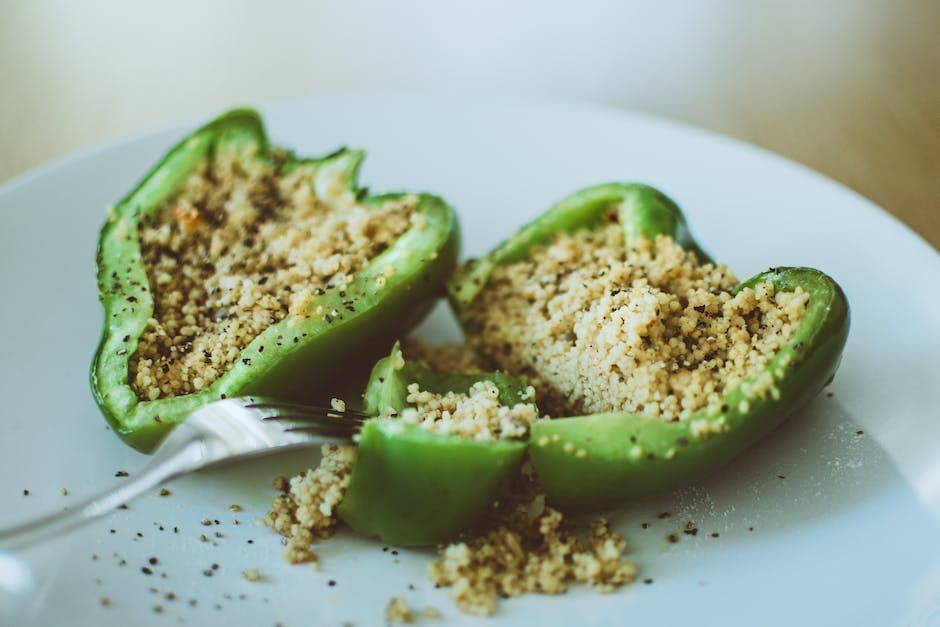
Plant-Based Foods: The Ultimate Guide to Pros and Cons
Health, cost, and climate against effort and planning
Plant-based foods have become far more popular in recent years. People come to them for their health, for the environment, or simply because they're curious about salads, grain bowls, and the many other options now on offer. This article looks at what plant-based foods can do for your health, for the planet, and for your budget, and at the problems and criticisms that come with them.
Plant-based eating means building your diet mainly around foods from plants: fruits, vegetables, legumes, grains, nuts, and seeds. You don't have to give up animal products completely. Some people go fully vegan, some become vegetarian, and others just add more plant-based meals to their week, and the points below apply to each of those choices to a different degree.
Pros
Most of the benefits come down to what plant foods contain, such as fiber, antioxidants, and a wide range of nutrients, and what they usually lack, such as large amounts of saturated fat.
Heart health
Plant-based foods are linked to better heart health, mainly because they tend to be high in fiber and low in saturated fat. Diets built around fruits, vegetables, whole grains, and legumes are associated with a clearly lower risk of heart disease. These foods can help keep cholesterol at healthy levels, and they support normal blood pressure. Many of them also contain antioxidants, which may reduce inflammation and so put less strain on the cardiovascular system. Heart disease is one of the leading causes of death worldwide. Eating this way is a reasonable step if you want to look after your heart before any problems start, instead of waiting until a doctor tells you to change.
Easier weight management
A plant-based diet often makes weight easier to manage. Many plant foods contain fewer calories than animal products, and their fiber keeps you full for longer, which helps you control your appetite without constantly counting. If you put more fruits, vegetables, and legumes on your plate, keeping your weight stable or losing a few kilos may take less effort than you expect. Plant-based diets are also linked to a lower body mass index (BMI) and a lower risk of obesity, although a link is not a guarantee, and what you actually eat still matters. For anyone looking for a workable way to lose weight, it is worth a serious try.
Smaller environmental footprint
Eating mostly plants usually leaves a much smaller environmental footprint than a diet heavy in meat. Growing plant foods generally takes less land and less water than raising livestock, and it often produces fewer greenhouse gas emissions as well. When people cut back on meat and dairy, they add their share to the wider effort against climate change and help keep the planet in better shape for the generations that come after us. One person's plate is a small contribution, of course. Still, the same diet that may help your health also does something for the environment, and for many people that is a reason in itself.
Rich in nutrients and variety
Plant foods are full of nutrients. They supply vitamins, minerals, and phytochemicals that the body needs to work well. Eating fruits and vegetables in many different colors tends to raise your intake of these nutrients while keeping empty calories down, which is hard to achieve with heavily processed food. There is also a lot of choice. Between grains, legumes, nuts, seeds, and every kind of produce, meals can taste good and be healthy at the same time, and there is plenty of room to experiment in the kitchen with new dishes and flavors. People sometimes picture a plant-based diet mostly as a list of restrictions, yet for those who eat this way the sheer variety is a large part of the appeal.
Lower risk of chronic disease
A plant-based diet is associated with a noticeably lower risk of chronic diseases such as diabetes, hypertension, and some cancers. Fruits and vegetables supply antioxidants, vitamins, and minerals that may protect against inflammation and cell damage, and that could contribute to a longer, healthier life. Switching to this way of eating is one practical way to reduce the odds of these serious conditions before they have a chance to develop.
Often cheaper
Eating plant-based can cost less than buying meat and dairy. Legumes, grains, and seasonal fruits and vegetables are versatile, so the same basic ingredients can turn up in many different meals and keep grocery bills down. If you build your meals around whole plant foods instead of processed animal products, you can save money and still eat food that is nutritious and filling. For many households, that makes the diet easier on the budget as well as on the body.
- -1
Better digestion
Plant foods are rich in dietary fiber, which the digestive system needs to work properly. Fiber keeps bowel movements regular, reduces constipation, and supports a healthy gut microbiome. When digestion runs smoothly, the body may also absorb nutrients better, which benefits your health more broadly. That makes a plant-based diet a sensible option for people who want to improve their gut health and lower their chances of developing digestive problems.
Missing a pro?
Let us know which pro you are missing!
Cons
This way of eating does not suit everyone equally. Several of the drawbacks are practical, and some of them fade once the new habits settle in.
Risk of nutrient deficiencies
A strictly plant-based diet carries a real risk of nutrient deficiencies. Nutrients such as vitamin B12, iron, and omega-3 fatty acids come mostly from animal foods, at least in the forms most people rely on, so without careful planning it is easy to fall short. The effects tend to build slowly. They can include fatigue, a weaker immune system, and other health problems that you might not immediately connect to your diet. Anyone going fully plant-based should therefore look at fortified foods or supplements to fill the gaps. It also makes sense to see a healthcare provider, who can keep an eye on your nutrient intake over time and tell you whether something is missing. The risk is smaller if you still eat some animal products.
Fewer options when eating out
Eating out can be harder on a plant-based diet. More restaurants offer plant-based dishes than they used to, but many still build their menus mainly around meat and dairy. In those places you may struggle to find a proper meal, which is frustrating and inconvenient, especially when it happens often or when you have little choice about where to go. Meals with friends or family add another complication, particularly if they don't share your approach to food and would rather go somewhere you can barely eat. For some people, this sense of being limited in their social life is enough to hold them back from committing fully to the diet, even when they like the idea of it.
A tough adjustment period
Switching to a plant-based diet usually takes time to get used to, and the adjustment can be hard both mentally and physically. Some people miss the taste and texture of meat and dairy and feel deprived for a while. Learning to cook new meals and change familiar cooking methods can also feel like a lot for beginners, especially when it all happens at once. If you want to make the switch, expect this phase instead of being surprised by it. A gradual approach often works better: add a few plant-based meals to your routine and build from there, so that new habits have time to form before you drop the old ones completely.
Processed products can be unhealthy
Plant-based does not automatically mean healthy. Many plant foods are very nutritious, but the growing range of processed alternatives, such as meat substitutes and dairy replacements, can give the wrong impression because of what they are made from. These products are often high in sodium and may contain additives that do your health no favors. If you rely on them heavily, you can lose some of the health benefits that come with a diet based on whole plant foods. It pays to read labels carefully and to choose whole or minimally processed foods most of the time, keeping the substitutes for occasional use.
Cravings and taste preferences
Cravings for familiar flavors and textures from meat and dairy can be strong, especially in the first weeks. They can make meals feel less satisfying, which leads to frustration and sometimes to slipping back into old habits. Finding alternatives that taste good enough to replace those foods is not always easy. Some people give up on a plant-based diet for exactly this reason, so cravings have a real effect on whether the change lasts in the long run.
More time in the kitchen
Many plant-based meals take more time to prepare than a conventional diet, particularly for people who aren't used to cooking or planning menus. Fresh fruits, vegetables, legumes, and whole grains often need chopping, soaking, and cooking before they reach the table. For busy people and families, that can be hard to fit into the week. The easy fallback is convenience food, which may not be very healthy and can undo much of the point of eating this way.
- -1
Awkward social situations
Social life can get awkward. Many gatherings revolve around meat dishes, which leaves people on a plant-based diet either feeling left out or drawing attention they would prefer to avoid. Friends and family may not understand the choice, and that can make shared meals and events uncomfortable for everyone at the table. Handling these situations usually takes some planning ahead and clear communication, both when eating out and when you are a guest at someone else's gathering.
Missing a con?
Let us know which con you are missing!
Conclusion
If you're not sure, the drawbacks point to a sensible way to start. Add plant-based meals gradually instead of switching overnight, favor whole foods over processed substitutes, and if you plan to cut out animal products entirely, ask a healthcare provider to check your vitamin B12, iron, and omega-3 levels. That way you can judge from your own experience whether going further is worth it.
What do you think?
Do you think the pros outweigh the cons?
You might also like 👇