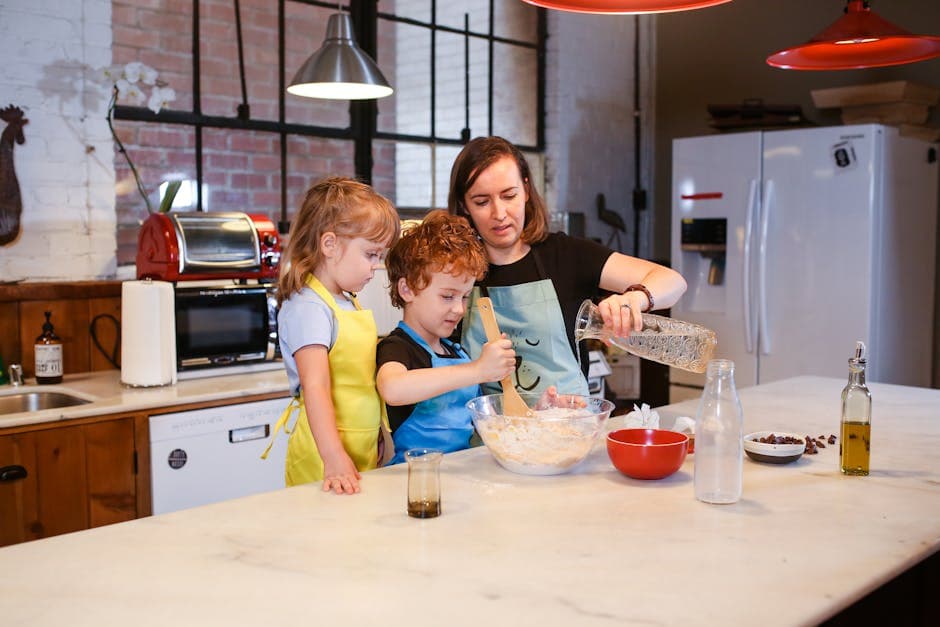
The Realities of Being Raised by a Single Parent: Blessings and Challenges
How one-parent homes shape independence, money, and time
Being raised by a single parent is a reality for many children. It brings real difficulties. It can also shape a child's character and outlook in ways that turn out well, and this article looks at both sides without claiming to cover every one of them.
Single-parent families have become more common as family structures change. They still meet stigma, yet children from these homes can do well when they have support and a nurturing environment around them. The points below touch on emotional, social, and educational effects.
Pros
Most of the advantages come from the child taking a bigger part in family life.
Stronger independence and self-reliance
Children raised by single parents often become independent early. With one adult running the household instead of two, they tend to pick up responsibilities sooner and learn to manage their own time and resources. Many take on several roles at home, from helping with chores to making decisions that affect their own lives, and that builds self-reliance. The habit of pulling their weight can turn into a solid work ethic. By the time they reach adulthood, much of what adult life demands is already familiar to them.
Closer parent-child relationships
One parent and one child spend a lot of time together, just the two of them. In many single-parent homes that leads to a close bond and open communication, where the child feels free to talk about what is going on. Because the parent is the main voice at home, their influence on the child's values and decisions is usually large. A relationship like that can also help a child develop emotional intelligence and empathy, which later helps in forming healthy relationships of their own.
Enhanced problem-solving skills
From a young age, these children watch their parent handle obstacles without a partner to share them with, and they often get involved in working through those obstacles themselves. That kind of exposure tends to sharpen problem-solving. They learn to think critically about an issue, deal with it, and improvise when they are under pressure. It works as practical training for life, and it usually leaves them more resilient and resourceful when adulthood brings challenges nobody planned for.
Stronger sense of responsibility
With fewer adults in the house, children of single parents often step into roles that might otherwise go to a grown-up, such as doing chores or looking after younger siblings. Doing that teaches them that their contribution matters to how the household runs. It also builds a work ethic. The sense of responsibility usually doesn't stay at home; it can carry over into schoolwork, later into careers, and into personal relationships, where these children often approach obligations and commitments with a maturity beyond their age.
- -2
Diverse perspectives and adaptability
Kids in a single-parent household are often exposed to a wider range of perspectives and life situations. Their parent faces challenges that demand flexibility, and children tend to absorb that attitude simply by watching how it is done. Growing up this way can teach them to accept change and to keep functioning under pressure. That is useful in a world that keeps asking people to adapt, and it may make them more willing to tackle problems they didn't see coming.
Missing a pro?
Let us know which pro you are missing!
Cons
The disadvantages tend to start with money and time, since one adult has to provide both.
- +2
Emotional and psychological challenges
The family situation itself can weigh on a child. Feelings of abandonment, loneliness, or being stigmatized are not unusual for children of single parents. Missing one parent can make it harder to process emotions, and while they try to make sense of how their family works, some children struggle with self-esteem. That emotional load can spill over into their schoolwork and their relationships with others, and in some cases it shows up as behavioral problems.
- +1
Limited time and support
A single parent is often juggling a job and the whole household, so there is simply less time left for the children. Without a second adult in the home, a child may also get less support at the moments it matters most, during important stages of development. When guidance and attention are in short supply, children can find it harder to deal with challenges on their own. Over time that may affect their social skills, their results at school, and their general sense of stability.
Financial strain and instability
Money is probably the most common difficulty. A single-parent family usually lives on one income, and that puts real pressure on the household budget. When finances are tight, there may be less room for extracurricular activities and educational opportunities, and sometimes even for safe housing. Children notice when a parent is struggling to make ends meet. They can end up feeling insecure or anxious about it, and that worry may affect both their emotional well-being and how they do at school.
Social stigma and isolation
Some children from single-parent homes are judged or teased by peers because of their family structure. That can lower their self-esteem and leave them feeling excluded. If it goes on, being pushed to the margins makes it harder to form friendships and take part in social activities, and the child may end up feeling disconnected from the people around them. Some also carry a sense of inadequacy or a lasting wish for a traditional two-parent family, which can make social situations even more complicated for them.
Limited access to extracurricular activities
Because single parents carry so many responsibilities, they often have less availability to support their children's interests outside school. That can limit a child's chances to grow, socialize, and build skills in sports, the arts, or other activities. Those settings are where many kids learn teamwork and creativity and find ways to express themselves, so missing out has a cost. It may also narrow their development and leave them with fewer chances to explore different passions and find out what they enjoy.
Missing a con?
Let us know which con you are missing!
Conclusion
Which side weighs more usually depends on circumstances: how tight the budget is, how much time the parent has left after work, and whether the family gets support from outside the household. For anyone in a position to help a single-parent family, those three areas are probably where help makes the most difference.
What do you think?
Do you think the pros outweigh the cons?