The Uncharted Journey of Being a Single Mom: Advantages and Disadvantages
Close bonds and freedom, weighed against money and time
Being a single mom means running a family alone, with everything that comes with it. Some of that is good: the closeness with your children, the freedom to decide how they're raised, and the confidence that grows from handling things yourself. Some of it is hard, and usually in practical ways that involve money, time, and energy.
This article looks at both sides for mothers already raising children alone and for the people around them who want to understand what that life involves. It covers the main points, not every one.
Pros
These advantages often get less attention than the difficulties, yet many single mothers name them first.
A closer bond with your children
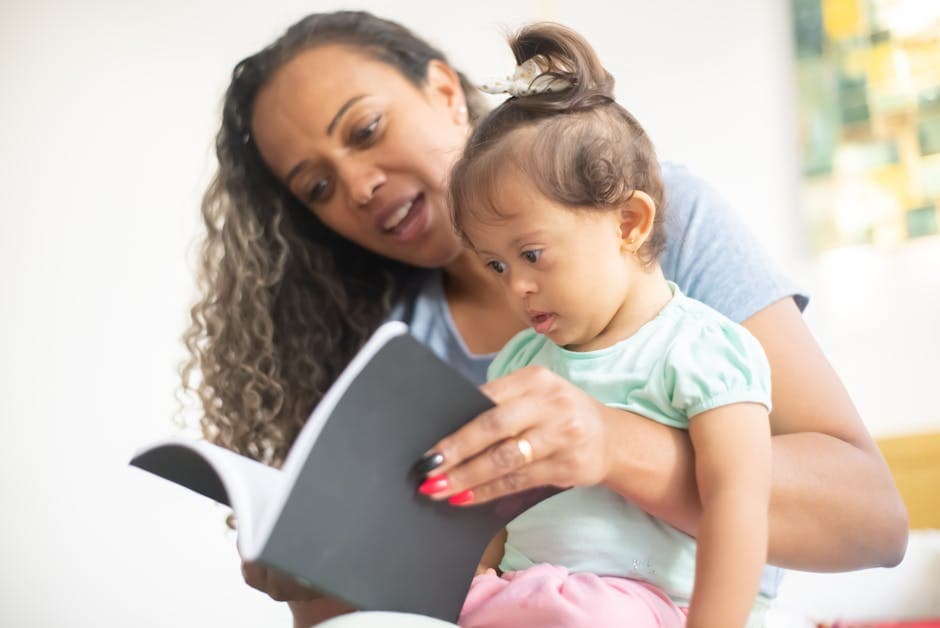
With no partner in the house, a single mother's attention at home goes largely to her children. That can make the relationship unusually close. Time together is often one-on-one, which leaves room for the kind of conversation that builds trust and supports a child's emotional and psychological development. Many single mothers say the bond with their kids turns into a source of strength and joy, a small family where everyone relies on each other and the affection is easy to see. Ties like that can help a child's self-esteem and general development, though how much depends on the family.
Independence for mother and children
Running a household alone tends to make a mother self-reliant, and children notice. When they watch her deal with daily problems directly, they learn that hardship is something you can tackle. Her confidence usually grows with each problem she solves. The kids, meanwhile, often take on a share of the responsibility, which can prepare them for what comes later in life. Some single-parent families end up with a culture of their own, built on determination, gratitude, and resourcefulness. Children raised in that kind of household may well grow into capable, well-rounded adults.
Freedom to parent your own way
Without a partner to negotiate with, a single mom makes parenting choices according to her own values. Education, lifestyle, and how the household runs are hers to decide, based on what she believes. The same freedom extends to her own life. She can pursue a career path, personal interests, or hobbies at a pace that suits her, without fitting them around someone else's plans. For many mothers that autonomy brings a sense of fulfillment, and when the mother is content, the children usually feel it. The result can be a healthier home and better well-being for everyone in it.
Getting to know yourself better
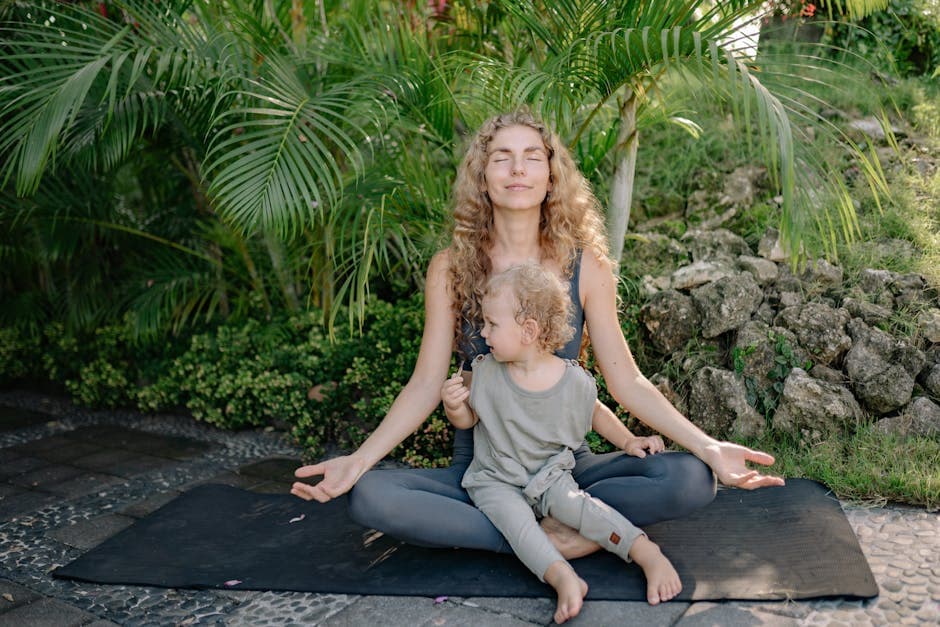
Single motherhood often turns into a period of self-discovery. Without a partner's influence, you may find yourself looking harder at your own interests, beliefs, and values, and finding out which ones are really yours. That kind of self-awareness helps you grow and can lead to a life that feels more authentic. You also get a lot of practice solving problems and making decisions, which builds mental resilience over time.
Being a role model
Whether you plan it or not, as a single mom you become your children's main role model. They see you manage the household and face problems directly, and they learn essential life skills from it. Children pick up perseverance and resourcefulness mostly by watching, and yours get to watch every day. It works in both directions, too: seeing them grow tends to boost your confidence as a capable parent.
- -1
Stronger community ties
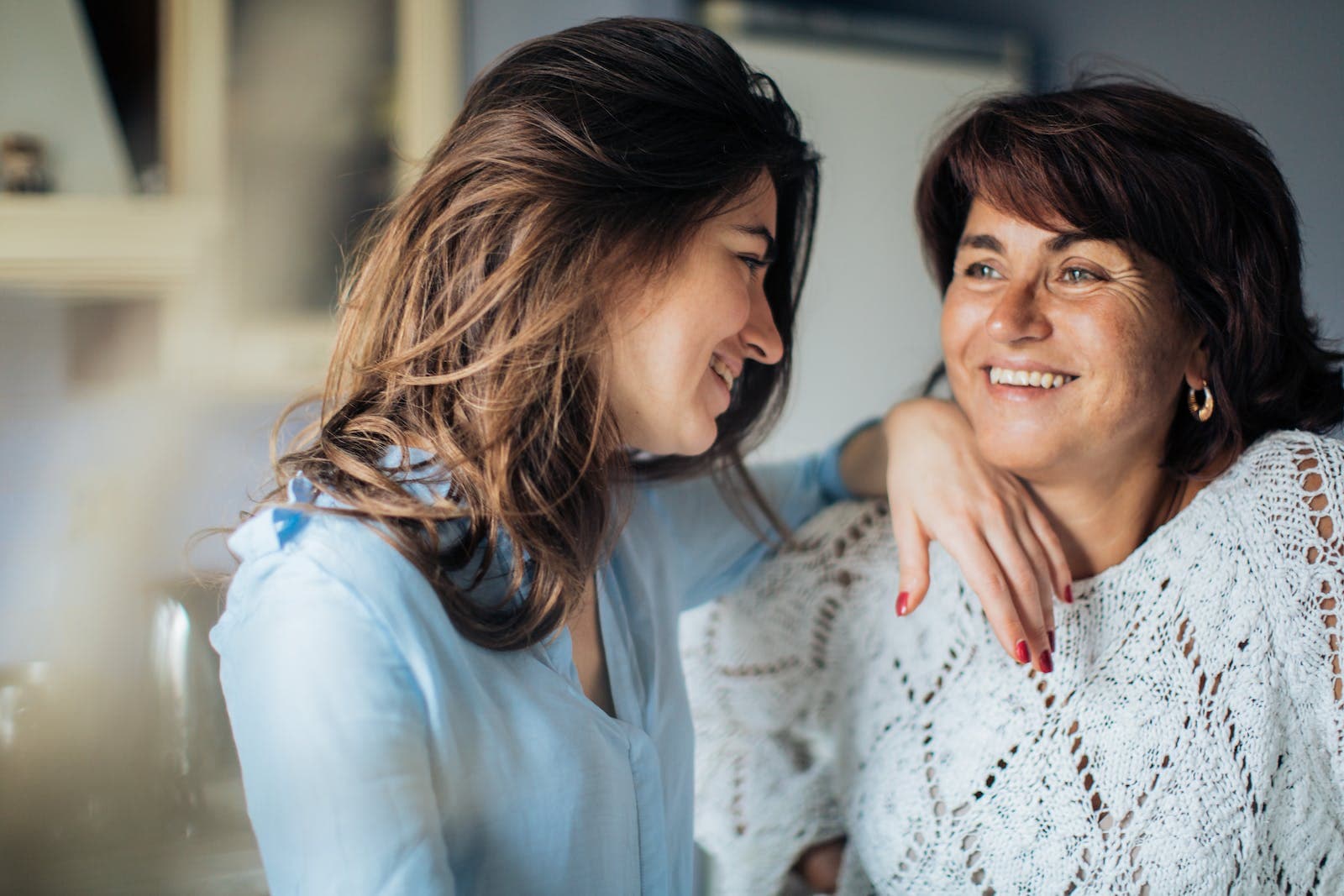
Single motherhood can bring strong community ties. Relationships with other parents, friends, and family members take on more value when you're raising a child alone. Connecting with people who have similar experiences can give you a network that offers emotional reassurance and practical help, plus social opportunities for your children. Some of those connections grow into lasting friendships and a real sense of belonging.
Missing a pro?
Let us know which pro you are missing!
Cons
The drawbacks can be heavy, and several of them feed into each other. Knowing them helps mothers plan, and it shows friends and family where help is most useful.
Financial strain
Money is usually the most pressing problem. One income has to cover the whole household, so budgeting becomes an exercise in restraint and sacrifice. Childcare, education, and even basic necessities can be hard to afford, and making ends meet can feel like an uphill battle month after month. That steady pressure causes stress and anxiety for the mother and often for the children as well, and it affects the mood of the whole family. Handling finances as a single parent takes careful planning and, ideally, outside support. Without it, many mothers end up feeling overwhelmed and alone with the problem.
Social stigma
Single mothers still run into judgment and stigma, and it can leave them feeling ashamed, isolated, or inadequate. Traditional family structures are often romanticized, which makes it easy for a single mom to feel she doesn't belong. Over time that can wear on her mental health, bringing loneliness and lower self-worth. Social situations can get uncomfortable as well, because some people hold biases about her parenting choices. Standing up to those judgments takes resilience and support, which is why a community of understanding and acceptance matters so much.
The stress of doing every role
The sheer volume of responsibilities can be overwhelming. Work, housework, and parenting all land on one person, and exhaustion and burnout are common results. Time management becomes a survival skill: a single mom has to prioritize constantly and still find time for herself and for the relationships that matter to her. Many say they feel permanently on duty, with no moment to decompress, and that wears them down emotionally. Coping with this usually requires a support system, whether that's family, friends, or community resources that take over part of the daily load.
Little time for self-care
Time for self-care is scarce. Between childcare, work, and household duties, there is little left for rest or leisure, and personal time is usually the first thing to go. Single moms may then put off looking after their own physical and mental health, which feeds stress and burnout. Neglecting yourself for long enough can have lasting effects, both on your own well-being and on how well you can care for your children.
Isolation
Busy schedules and constant responsibilities can shrink a single mom's social life. There may simply be no time to keep up friendships or join community events, and a sense of separation from other people sets in. That isolation can turn into loneliness and affect mental health. Over time it can also wear away the support systems that matter so much for emotional well-being.
Decision fatigue
When you are the only decision-maker in the house, decision fatigue can set in. Every choice, from daily routines to major life changes, rests on you. Carrying that all the time is mentally exhausting, and it often brings second-guessing and anxiety about whether you are making the right choices for your family. Eventually the load can affect your mental health, making it harder to stay focused or enjoy ordinary days.
Missing a con?
Let us know which con you are missing!
Conclusion
How these pros and cons balance out differs for every mother, and much of it comes down to support. Money pressure, overwhelm, isolation, and the lack of time for yourself all get lighter when family, friends, or community resources take on part of the load. If you're a single mom, building that network early is probably the most practical step you can take. If you know one, offering concrete help with childcare or errands usually means more than general encouragement.
What do you think?
Do you think the pros outweigh the cons?
You might also like 👇