The Pros and Cons of Blitz (American Football)
Extra pressure on the quarterback, fewer men in coverage
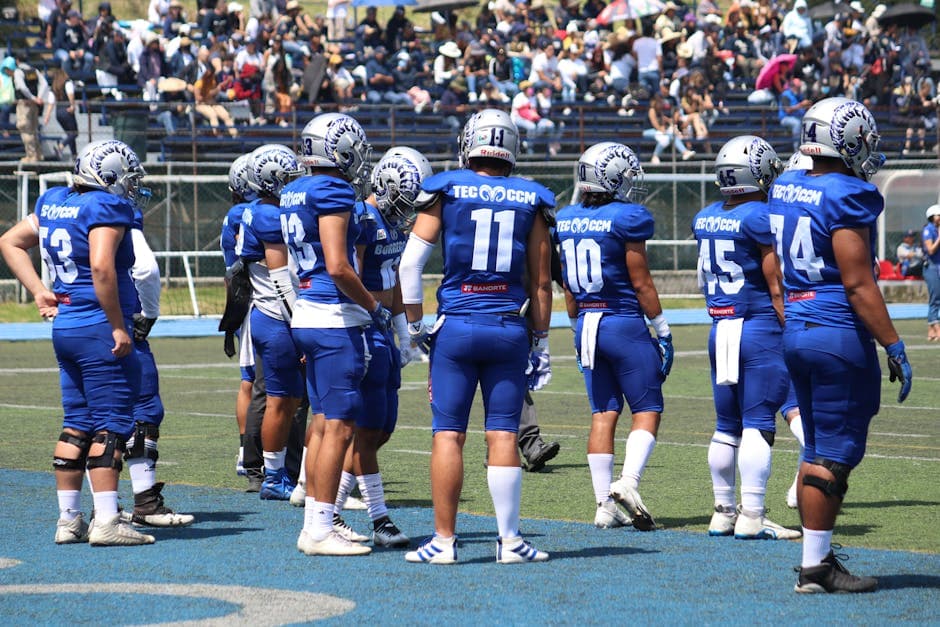
A blitz in American football is a defensive tactic in which extra players, often a linebacker, rush the quarterback to sack him or break up the passing game. It is fast and aggressive, and it has become a regular part of defensive strategy.
Whether it pays off depends on what the defense gains up front and what it gives up behind the rush.
Pros
Most of the benefits come from making the quarterback's life harder.
Increased pressure on the quarterback
A well-executed blitz puts heavy pressure on the opposing quarterback. He has less time to read the field, his passing game suffers, and he has to decide faster than he would like. That often ends in an incomplete pass, and sometimes in an interception or a sack, each of which hands the defense an advantage.
Opportunity for big defensive plays
Some of the plays that change a game come straight out of a blitz: sacks, fumbles, and turnovers. One of those at the right moment can swing the momentum toward the defending team and turn the whole game around.
Disruption of offensive rhythm
Offenses depend on timing. An aggressive blitz breaks that timing, and the opposing players start to hesitate or get confused about what they are seeing. Errors follow, along with missed assignments, and the offense as a whole runs less efficiently than it should.
Forcing turnovers
Blitzing can raise the chance of forcing a fumble or an interception. Under pressure, a quarterback tends to rush his throws, and a rushed pass is less accurate and easier to pick off. When a turnover happens, the momentum of the game can shift quickly, and the defending team gets a valuable chance to put points on the board.
Confusion for offenses
An offense that hasn't prepared for extra pressure can be thrown into real confusion by a blitz. The speed and aggression of the rushers can scramble the offensive line's blocking assignments. Meanwhile the quarterback has to make quick decisions under duress. Mistakes come out of that, and a defense that is ready for them can take advantage of each misstep.
Missing a pro?
Let us know which pro you are missing!
Cons
The drawbacks mostly come from the players who are no longer in coverage.
Vulnerability to long passes
When a defense blitzes aggressively, its secondary is left thinner and more exposed to long passes and deep completions. This matters most when the blitz doesn't reach the quarterback in time, because he then has the chance to find a receiver deep. The result can be a big gain for the offense, or a touchdown that decides the game.
Exposure of coverage gaps
Sending extra rushers can open gaps in coverage, and the opposing receivers will look for them. If the blitz is mistimed or simply doesn't work, quick plays and well-run routes can pick up substantial yardage against a defense that has fewer players left to cover.
Physical toll on defenders
Blitzing often, or too aggressively, is hard on linebackers and the other defenders involved. Fatigue sets in, the risk of injury goes up, and the general wear and tear adds up. That can drag down the performance of the defense, and for the players themselves it may have long-term consequences.
Overcommitment of defenders
Send too many players after the quarterback and the defense becomes vulnerable to running plays and screen passes. A smart offense will look for exactly that. It runs or throws into the gaps the blitz left behind, gains substantial yardage, and can break a big play if the defense is unable to recover in time.
Exposure to play-action passes
Play-action passes are a particular risk, especially when the blitzing defenders are drawn toward the line of scrimmage. The offense fakes a handoff, the blitzers commit to what looks like a run, and the quarterback throws into the area of the field they have just left open. Against an aggressive blitz, that single fake can produce a significant gain.
Missing a con?
Let us know which con you are missing!
Conclusion
A blitz that reaches the quarterback in time usually pays off. One that doesn't leaves fewer defenders to handle long passes, screens, and play-action, so the call probably depends on how well a defense's rushers can get home against a particular offensive line and how calmly that offense deals with pressure.
What do you think?
Do you think the pros outweigh the cons?
You might also like 👇