The Highs and Lows of Volleyball: What You Need to Know
Fitness, friends, and teamwork against injuries and cost
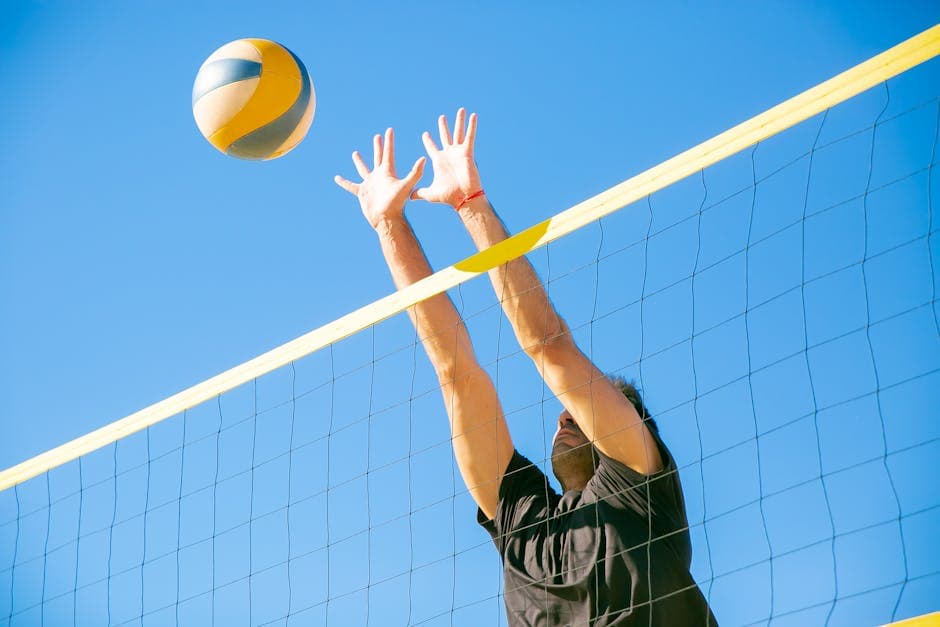
Volleyball is played on indoor courts and on beaches around the world. Some games are relaxed afternoons on the sand, and others are intense indoor competitions. Either way, you pass and hit a ball over a net with a team, and you get exercise and company in one go. Like any physical activity, it also has drawbacks worth knowing before you join a team.
Below are several pros and cons, covering your physical health, your social life, and practical matters such as cost and access. They should help whether you already play or are thinking about starting.
Pros
The benefits range from fitness to friendship, and they apply to players of many ages and fitness levels.
- +2
Better physical fitness
Volleyball asks for strength, agility, and endurance at the same time. Your legs, arms, and core all get work, and if you play regularly that usually shows up as better cardiovascular health, more muscle tone, and greater flexibility. A rally is full of short bursts of effort: a jump at the net, a dive for a low ball, a sprint to cover an open spot. Those quick movements keep players agile and in shape. Over months of play, the sport can also help with weight management, and it trains coordination and balance along the way without you having to think about it.
Good for mental health
Physical activity releases endorphins, which help reduce stress and lift your mood, and volleyball is no exception. Being part of a team adds something on top of that. It gives you a sense of belonging, which can ease feelings of loneliness, especially for people who don't have many other social outlets. A match also keeps your head busy. You have to stay focused and think tactically while the play moves fast around you, and that kind of thinking under pressure is good practice. For many players, this mix of mental engagement and physical effort is why they feel better after a game than before it.
Better coordination
Hand-eye coordination and footwork get a lot of practice in this sport. Players learn to track the ball, read where it is going, and move into position before it arrives, again and again in every rally. That improved coordination tends to help in other sports and in ordinary everyday movement as well, leaving you a bit more agile and quicker to react.
Lasting friendships
Plenty of people stay in volleyball for the company. Local leagues, school teams, and casual games bring the same players together week after week, where they share the same challenges and celebrate the same wins. Friendships formed that way often last for years, and they can grow into a support network that reaches well beyond the court.
Quicker thinking
Every rally asks for fast decisions. Players keep reading the situation, choose in a split second where to stand or where to send the ball, and adjust their tactics to whatever the opponents are doing. With regular play, this can sharpen problem-solving, critical thinking, and spatial awareness. Those skills are useful outside the sport too, at school and in professional life.
- -1
Teamwork
It is a team sport by design. Nobody wins a point alone, so players have to talk to each other, cooperate, and agree on a shared strategy, both to set up an attack and to defend against the other side. Working that closely together tends to build a strong sense of camaraderie, and it gives you plenty of social contact and room for new friendships. Learning to collaborate well, often with only a second to decide, is a skill that may carry over into school or work, though how much it transfers depends on the person.
Missing a pro?
Let us know which pro you are missing!
Cons
The drawbacks run from injuries to practical hurdles like cost, playing time, and weather.
Facilities and gear cost money
You need a place to play and the right equipment, and for some people that is a real barrier. Indoor courts are usually found in gyms, which may charge membership fees. Outdoor courts are an alternative, but they are not easy to find in every area. On top of that, playing safely and effectively calls for specific gear: knee pads, a volleyball, and suitable footwear. Taken together, this financial commitment can be enough to keep some potential players from ever getting started.
Limited playing time
In competitive settings, newcomers and less skilled players often spend a lot of time on the bench. Coaches tend to field their experienced players in matches, which makes sense for the result but is frustrating for those still developing, and their motivation can drop. Less time on the court means fewer chances to learn, and the game becomes less enjoyable as well.
Few facilities in some areas
A casual game can happen almost anywhere, but serious play needs more. In some regions there are few quality facilities or organized teams, which makes it hard for ambitious players to move up to a higher level. Without those resources and proper coaching, skills develop slowly, and some people who might have loved the sport give up on it.
Weather affects outdoor play
Outdoor volleyball depends on the weather. Rain, strong winds, or extreme heat can lead to cancelled practices and games, or to conditions that make playing unsafe. If you prefer the outdoor game, this limits how often and how regularly you can play and train, and your progress is likely to slow down as a result.
- -1
Risk of injury
As with any sport, injuries happen, and some of them are serious. Sprains, strains, and fractures are the common ones, often caused by the sudden load of jumping, landing, and quick sideways moves. Repeating the same actions over and over also leads to overuse injuries, mostly in the shoulders and knees. Proper training, a good warm-up, and strength conditioning lower the risk considerably. They don't remove it, though, and players at every level, from beginners to experienced competitors, have to live with the possibility of getting hurt.
- -1
Competitive pressure
Competition can motivate you, and it can also wear you down. In organized leagues and tournaments especially, players often feel they have to perform well, and that pressure brings stress. Sometimes it turns the atmosphere on a team sour and takes the fun out of the game. When winning matters more than taking part, less skilled players may get discouraged, and over time some of them lose the wish to keep playing at all.
Missing a con?
Let us know which con you are missing!
Conclusion
If you mostly want exercise and company, casual games or a recreational league probably give you most of the benefits with less of the pressure that comes with organized competition. Aiming higher is a different decision. Check first which courts, teams, and coaches exist near you, and budget for knee pads, a ball, and proper shoes before your first season.
What do you think?
Do you think the pros outweigh the cons?
You might also like 👇