Diving into the World of Pickleball: Pros and Cons Uncovered
What the paddle sport offers, and where it falls short
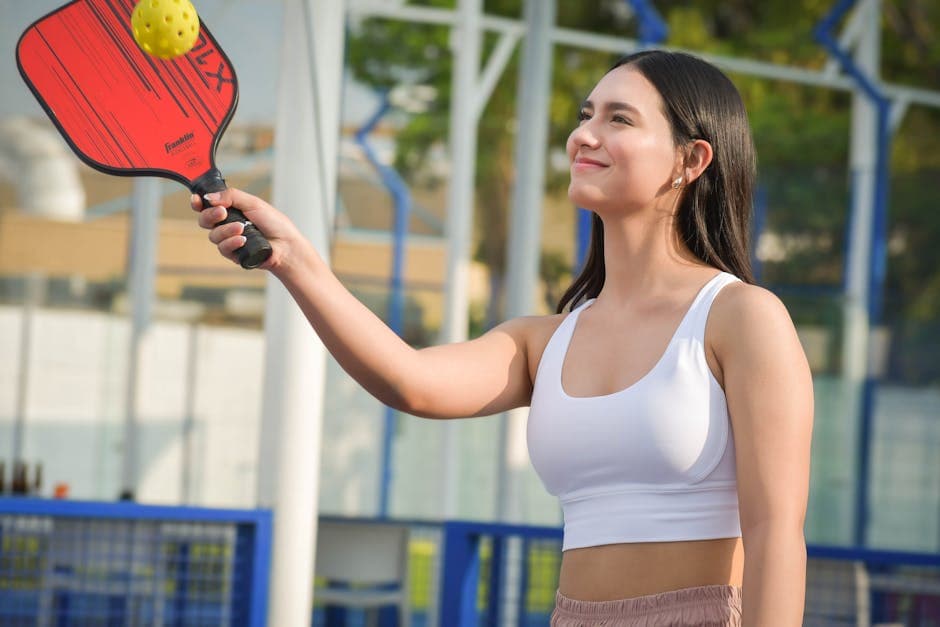
Pickleball has grown quickly among players of many ages. It borrows from tennis, badminton, and table tennis, and a lot of people take it up as a sociable way to stay active. Whether it suits you depends on what you want from a sport, how your body handles quick movements, and whether there is a court anywhere near you.
Most of its appeal comes from how easy it is to start and how naturally it brings people together. The drawbacks are more practical. Below are the main points on each side, though your own situation may well add others.
Pros
The advantages mostly concern health, social life, and how little it takes to get going.
Good for your heart
Pickleball gets your heart rate up. The game is full of quick movements, short sprints, and constant repositioning, and rallies can run long enough that players keep moving for a good while without much of a break. That kind of activity builds endurance and supports cardiovascular function, and regular aerobic exercise is generally linked to a lower risk of heart disease. Because most people are busy chasing the ball and trying to win the point, the exercise itself tends to fade into the background. That makes it easier to keep playing week after week, which is where the fitness benefit actually comes from.
Social connection
Compared with many individual sports, pickleball is unusually social. Most games are played in doubles, so you spend the whole match working with a partner: covering the court together, deciding who takes which ball, and sharing the result. On many courts the tone leans toward friendly competition. Local clubs and leagues have formed around the sport in many places, which gives newcomers an easy way to meet people. For a lot of players those friendships become part of the reason they keep coming back, since people expecting you on the court is a strong motivator.
Easy on the joints
Among racquet sports, pickleball is increasingly seen as a low-impact option that suits a wide range of ages and fitness levels. The playing area is smaller, and with paddles and a lightweight ball there is less stress on the joints. That makes it a reasonable choice for older adults and for people recovering from an injury, although how much it helps probably depends on the injury. Less strain also means people can keep playing longer, both within a session and over the years, while still getting the competitive thrill of a close game.
Accessible at any age
The rules are easy to learn, so pickleball works well as a first racquet sport for children and as a gentler option for older adults. Because of that, families and friends of different ages and physical abilities can actually share a court. Playing together like this can become a habit that lasts for years, keeping several generations active at once.
Shorter matches
Pickleball matches tend to be shorter than tennis matches, so you can play a full game without setting aside hours for it. That suits people with busy schedules who want to fit some exercise into the day. Short games also make it easier to play often, and frequent play is how skills improve and how the game keeps feeling fresh.
Better hand-eye coordination
Pickleball trains hand-eye coordination. The ball moves quickly, and during the constant volleying you have to track it and react almost immediately while also getting into position. Over time this sharpens reflexes. The effect may carry over to other sports and to everyday situations that call for quick reactions, which makes the game a sensible pick for anyone who wants to stay both physically and mentally agile.
Missing a pro?
Let us know which pro you are missing!
Cons
The disadvantages are largely physical or practical, and some depend heavily on where you live.
Risk of injury
Like most sports, pickleball carries a risk of injury, mostly from falls and sudden movements. Quick changes of direction can cause sprains and strains, and occasionally something more serious, especially in players who haven't warmed up or aren't physically prepared. Beginners are probably more exposed than anyone. They often try to keep pace with experienced players before their bodies are ready for that speed, and that is when accidents tend to happen. A proper warm-up, some stretching, and suitable footwear go a long way toward reducing the risk.
Equipment and court access
You need paddles and balls, and you need somewhere to play. The equipment usually costs less than what many other sports require, but it is still an expense. Finding a court is often the bigger obstacle. Not every community has dedicated pickleball courts, and if the nearest one is a long way off, the sport quickly loses its appeal. For people without convenient access, this practical barrier is frequently what decides whether they take up the game at all, more than cost or interest does.
Competition can intimidate beginners
Pickleball has a reputation for friendliness, but its competitive side can put newcomers off. When some players care mainly about winning, the mood on the court can turn tense, and that discourages beginners and casual players. Groups that mix serious and relaxed players can also feel uneven, with very different playing styles on the same court, and some people end up feeling overwhelmed. If you mostly want easygoing games, it is worth looking for recreational groups that put the emphasis on fun.
Limited variety
Plenty of people like pickleball because it is straightforward. Some, though, find it offers less variety than other racquet sports. The small court and the specific rules tend to push players toward the same strategies, so games can start to feel repetitive. Advanced players looking for more challenge or complexity may eventually get bored.
Dependence on the weather
Outdoor pickleball depends heavily on the weather. Rain, extreme heat, or strong wind can cut sessions short or cancel them altogether, which is frustrating if you want to practice and play on a regular schedule. Indoor courts solve the problem, but renting one adds to the cost of the sport.
Overuse injuries
Pickleball is generally low-impact, but that does not remove the risk of overuse injuries. People who play often, or who skip warming up and cooling down, can develop problems such as tendonitis or joint pain from the repetitive motions of serving and returning shots. Paying attention to your physical limits and planning rest days helps prevent this.
Missing a con?
Let us know which con you are missing!
Conclusion
The quickest way to decide is to find out where the nearest court is and whether a local club runs recreational sessions. If both answers are encouraging, trying the sport costs very little. If the nearest court is far away, or outdoors in a climate you can't rely on, that will probably weigh more over time than anything that happens during a game.
What do you think?
Do you think the pros outweigh the cons?