The Pros and Cons of Visiting London
History, theatre, and food against cost, crowds, and rain
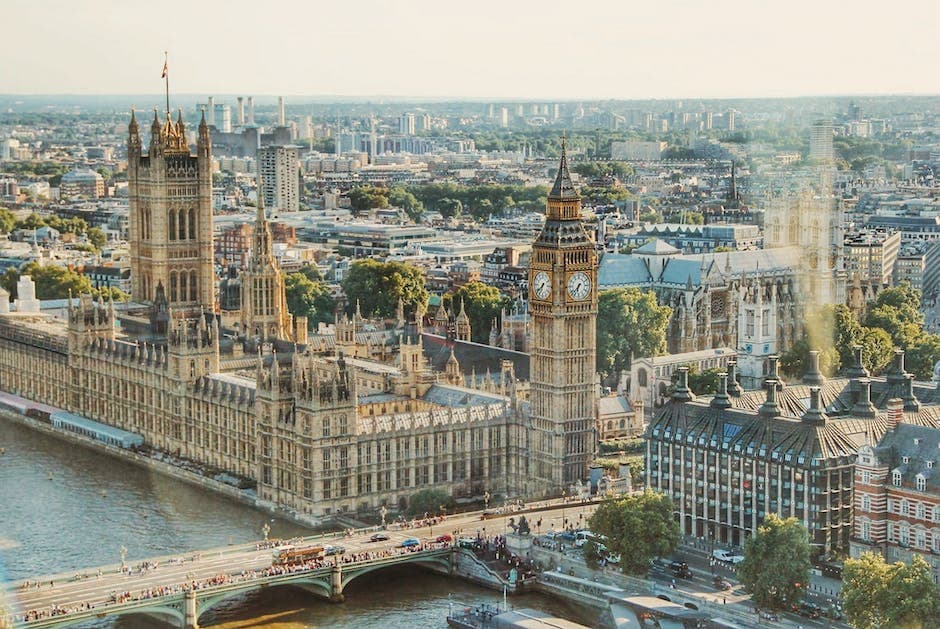
Visiting London puts you in a city full of history, culture, and diversity, with landmarks like Big Ben and the Tower of London and a busy art and food scene. Like any major city, it also has its downsides.
Most people come for the history of the British monarchy, for the museums and galleries, or for a few days in the well-known shopping districts. What tends to get in the way is more practical: crowded streets, a complicated city, and weather you can't plan around.
Pros
These are some of the reasons many travelers put London on their list.
Rich historical legacy
History is everywhere in London. The Tower of London, Buckingham Palace, and the British Museum are the famous names, but what makes the city rewarding for history lovers is the sheer amount of centuries-old architecture and artifacts connected to the course of British history. If that interests you, there is a great deal to see.
Cultural diversity and art scene
London's diverse neighborhoods, multicultural population, and active art scene make it a busy mix of creativity and new ideas. The range of cultural experiences is wide, running from West End theatre productions to the street art in Shoreditch. Which parts appeal to you will depend on your taste.
World-class museums and galleries
Some of the best-known museums and galleries in the world are here, including the British Museum, the National Gallery, and Tate Modern. For anyone who likes art or history, that means a long list of masterpieces and artifacts to look at, and probably more than one visit's worth of things to think about.
Theatre in the West End
The West End theatre district puts on a wide range of shows, from classic musicals to new and experimental plays. Many performances take place in historic venues that have hosted famous productions for generations, which adds something to the evening if you care about live theatre.
Food and restaurants
London's food scene runs from Michelin-starred restaurants to quirky street food markets, with plenty in between. Because the city draws on so many cultural influences, the range of cuisines is wide. Food lovers will probably find more places than they have time to try.
Green spaces and parks
For a city this busy, London has a lot of green space. Hyde Park is the famous one. Hampstead Heath is more scenic, and both are good places to get away from the noise and the crowds for a while. The parks also host events, concerts, and recreational activities, so they are worth a look even if you aren't after quiet. After a day on crowded streets, a few hours outdoors makes a welcome change of pace.
Good public transport
Public transport in London is extensive and generally efficient. The London Underground is the best-known part, but buses and trains cover the city and the surrounding areas as well, so getting around is fairly convenient for visitors. Paying is simple too. With an Oyster card or a contactless payment card you can travel flexibly, and it usually works out cheaper for tourists than the alternatives.
Missing a pro?
Let us know which pro you are missing!
Cons
A few drawbacks are worth keeping in mind when you plan the trip.
High costs
London has a reputation for being expensive, and it mostly deserves it. Accommodation, eating out, and transport all add up quickly, which hurts most if you are on a tight budget. Planning and budgeting carefully before you go makes a real difference to how much you end up spending.
Crowds at popular sights
The best-known attractions can get very crowded, especially in peak travel seasons. Long queues and packed spaces at landmarks can take some of the pleasure out of sightseeing. You'll need patience, and some planning about when and where you go, to get through the crowds.
Unpredictable weather
London's weather is famously unpredictable. Conditions change often and rain can turn up in any season, so a dry morning is no promise of a dry afternoon. Pack layers and something waterproof, whatever time of year you travel, and you'll be able to adapt as the day goes on.
A city that takes time to learn
The city is big and spread out, and the public transport network is complicated. For first-time visitors, the busy streets and the Underground can feel daunting. Expect to spend some time getting familiar with the lines, routes, and options before moving around feels easy.
Possible culture shock
If you come from a quieter or less densely populated place, London's pace may come as a shock. The city is fast, diverse, and crowded, and that can be tiring until you adjust. Knowing this beforehand helps, and some visitors end up enjoying the energy once they settle in.
Traffic congestion
Good public transport doesn't keep the roads clear. Traffic congestion is common in London, especially at peak hours, and it causes delays for anyone relying on road-based transport. In central London in particular, getting around by car or taxi can be slow and frustrating, and a trip that looks short on the map may take far longer than you planned.
Air quality
Like many big cities, London has a problem with air pollution. Efforts have been made to improve air quality, but visitors may still run into occasional episodes of smog and pollution, mostly in certain weather conditions. For most people this probably won't matter much. If you are particularly sensitive to air quality, though, it could affect how comfortable your stay is.
Missing a con?
Let us know which con you are missing!
Conclusion
If museums, theatre, and food are what you travel for, London gives you plenty of each, and the transport network makes it fairly easy to fit a lot into a short stay. The thing to sort out first is money. Set a budget for accommodation and meals before you book, and if crowds bother you, try to go outside the peak seasons.
What do you think?
Do you think the pros outweigh the cons?
You might also like 👇