Maine Coone: The King of Cats
A gentle giant that needs space, brushing, and attention
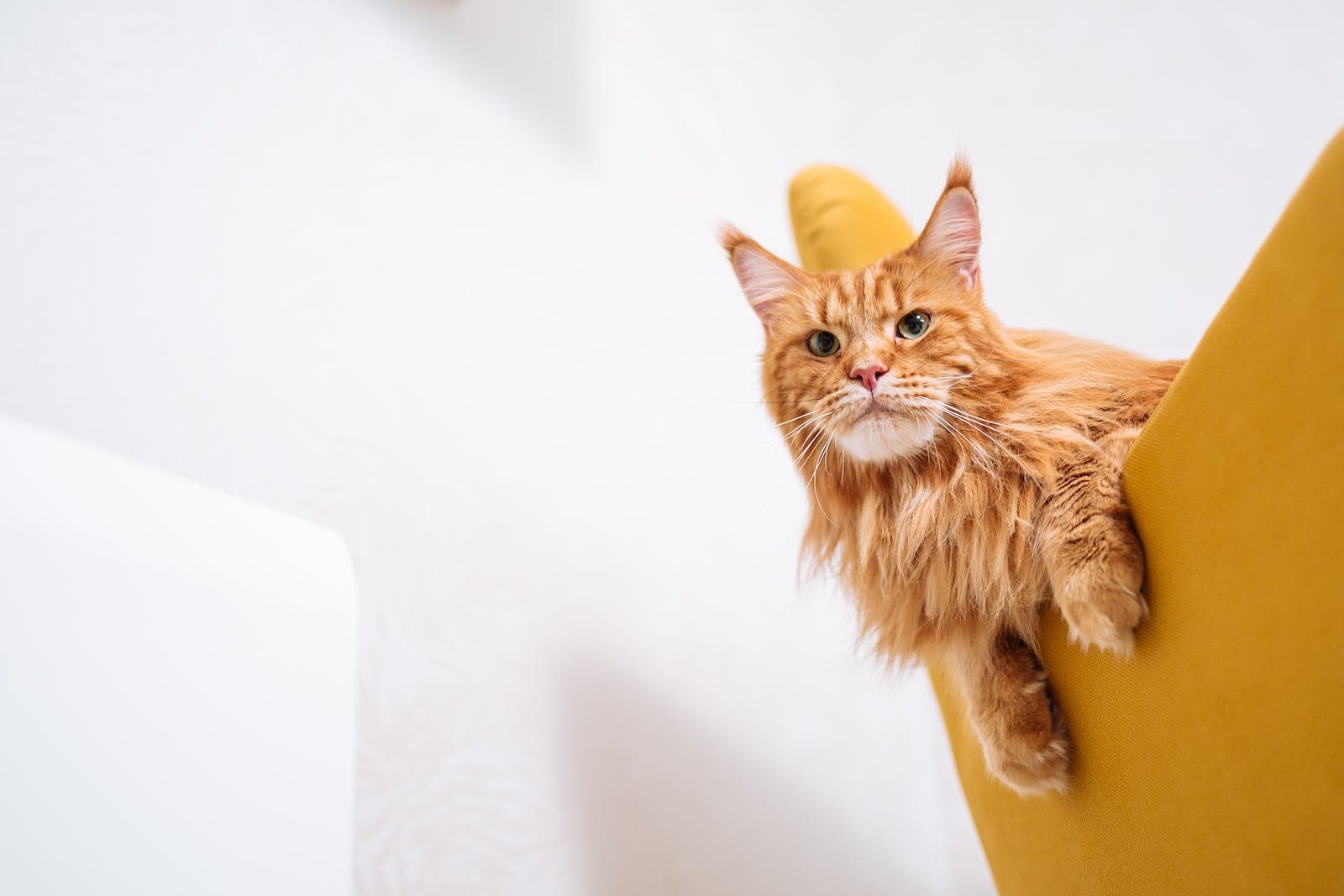
The Maine Coon is a large, friendly cat with a striking appearance. It originated in the United States and is one of the oldest natural breeds in North America, and those traits have made it a popular pet among cat lovers. Like any breed, though, it comes with drawbacks that potential owners should weigh before bringing one home.
Below are some of the main points on both sides, whether you are thinking of adopting one or are simply curious about the breed.
Pros
From temperament to practical skills, these are some of the reasons people choose the breed.
Affectionate and friendly
Maine Coons tend to form strong bonds with the people they live with. Their loving disposition, combined with their size, is why they are often called 'gentle giants'. They enjoy company and are usually good with children and other pets, so for a family looking for a sociable cat they are an obvious candidate.
Intelligent and trainable
This is a clever breed. Many Maine Coons can be taught tricks and simple commands, and because they learn quickly and settle into new surroundings fairly well, training them is usually easier than with a lot of other breeds. That intelligence also makes them interactive companions who keep their owners entertained and engaged.
Adaptable to different lifestyles
Some breeds react badly to changes in their environment. Maine Coons generally cope well. They can do fine in a spacious house or in a smaller apartment, provided they get enough attention, care, and stimulation, and that condition is the part that counts.
Great with children and other pets
Their gentle, sociable temperament carries over to the rest of the household. Maine Coons are usually patient with children and tolerant of other animals, which lets them fit into a home where several people and pets share the space. For many families, they add warmth and companionship to everyday life.
Excellent hunters
The hunting instinct is strong in this breed. Maine Coons are skilled at catching pests such as mice and insects, which can help keep a house free of unwanted critters. For some owners, that practical side is a welcome extra on top of having a pet.
Missing a pro?
Let us know which pro you are missing!
Cons
The size and energy that make the breed appealing also bring some demands.
Size and space requirements
Maine Coons are among the largest domestic cat breeds, and that size is worth thinking about before you commit. They need room to move around comfortably, so a very small home may not suit them, even though the breed adapts well in other respects. A bigger cat also eats more and takes more care than a smaller breed.
Grooming and maintenance
The semi-longhaired coat needs regular grooming to prevent mats and tangles. That takes time, and the owner has to stay committed to it. If grooming is neglected, the fur becomes unkempt and can lead to health problems. They probably also shed more than short-haired breeds, so keeping the coat in good condition takes extra attention.
Health concerns and lifespan
Maine Coons are generally healthy, but the breed is prone to certain genetic conditions, including hip dysplasia and hypertrophic cardiomyopathy, a heart disease. Anyone considering one should be ready for possible treatment costs and regular check-ups at the vet. With an average lifespan of 12 to 15 years, owning one is also a long-term commitment.
High activity level
Many Maine Coons are energetic and love to play. That can be entertaining and endearing, but it also means they need plenty of physical and mental stimulation, or boredom may lead to behavioral problems. Expect to set aside time and effort on a regular basis to keep such an active cat occupied.
Potential for vocalization
This is a talkative breed, and some individuals are quite vocal. Plenty of owners enjoy that communicative streak. Others find the frequent meowing and chirping disruptive, especially in a quiet home. Before you get one, it is worth asking yourself honestly how much noise from a cat you are happy to live with.
Missing a con?
Let us know which con you are missing!
Conclusion
A Maine Coon is most likely to suit someone who has room for a big cat, is prepared to groom regularly, can afford vet care over 12 to 15 years, and doesn't mind a chatty, playful companion. If one of those is a real problem in your situation, a smaller short-haired breed will probably be easier to live with.
What do you think?
Do you think the pros outweigh the cons?
You might also like 👇