The Pros and Cons of Junk Food: What You Need to Know
What fast, cheap food gives you and what it costs
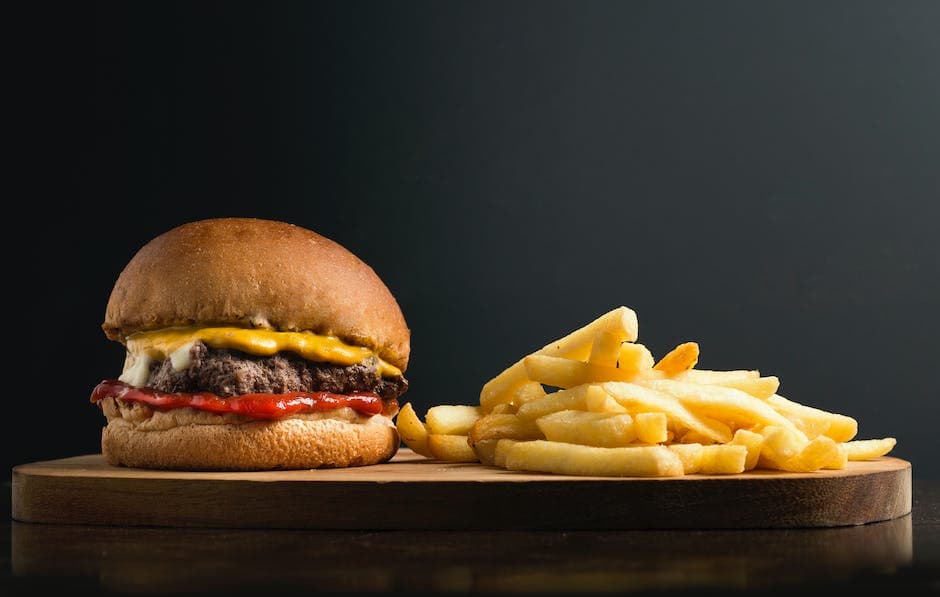
Junk food covers burgers and fries, sugary snacks, and fizzy drinks: food that is easy to like and hard to resist. It gives you quick satisfaction. Eaten often, it also brings health risks, and this article looks at both sides.
Taste and convenience explain most of its appeal. Whether that trade is worth it depends largely on how often you eat it.
Pros
Junk food has a bad reputation, yet it does a few things well.
- +1
Affordability
Junk food is often cheaper than fresh, healthier options. For people on a tight budget, that difference can decide what ends up on the table. The same goes for anyone who wants to eat out without spending much. A lower price point makes it an attractive choice for many consumers.
- +1
Sensory pleasure
Junk food is made to be highly palatable. It aims for intense flavors and textures, like the crunch of potato chips or the sweet creaminess of ice cream, and these hit the senses hard. The pleasure and comfort they give are real, if short-lived.
- +1
Varied options
Junk food comes in a huge variety, so there is something for most tastes and preferences. People who like trying new flavors and combinations can keep finding something different, and for them that makes eating a bit more exciting.
Mood elevation
In certain situations, eating junk food can improve your mood for a while. Sugary treats and indulgent snacks can trigger the release of dopamine, a neurotransmitter tied to feelings of pleasure and reward. The boost doesn't last long, though it is usually noticeable.
- -1
Convenience
Convenience is probably the main reason people reach for junk food. When time is short, it gives you a meal with almost no effort. If you are rushing between work meetings or need a snack on the go, fast food and packaged snacks are easy to find, and on a hectic day that accessibility can be a real lifesaver.
- -1
Social enjoyment
Pizza and snacks turn up at a lot of social gatherings and celebrations. Sharing a pizza with friends or eating snacks with family during a movie adds to the fun of the occasion. Over time, these foods become part of memories and traditions that people value.
- -2
Quick energy boost
During long work hours or on a road trip, junk food can give you a quick energy boost. Its high sugar and fat content is what does it. For a while, that can help you stay alert and focused, though the effect is short-term.
Missing a pro?
Let us know which pro you are missing!
Cons
Most of the drawbacks concern your health, though not all of them.
- +2
Nutritional deficiency
Junk food is known for lacking essential nutrients while containing plenty of saturated fat, refined sugar, and artificial additives. When it takes the place of other meals on a regular basis, you risk nutritional deficiencies. Those can contribute to a range of health problems and leave your general health worse off.
- +2
Addictive properties
Junk food, especially the kind high in sugar and fat, can trigger addictive responses in the brain. That leads to cravings and a cycle of eating more than you meant to. It also makes a balanced, healthy diet harder to keep up, and over the years it may add to long-term health problems.
- +1
Weight gain and obesity
Many junk foods pack a lot of calories and little nutrition, which makes them a major contributor to weight gain and obesity. Eat them often and it becomes easy to take in more calories than you use. Over time that surplus turns into excess body weight, along with the health risks that come with it.
- +1
Impact on mental health
Concern about junk food and mental health is growing. A diet heavy in processed and unhealthy foods may contribute to a higher risk of depression and anxiety. One likely reason is what the food lacks, namely beneficial nutrients. Another is what it contains, since some of its ingredients may harm mental well-being. The connection is still being worked out, so treat it as a probable risk.
Increased health risks
Frequent junk food consumption has been linked to a higher risk of heart disease, diabetes, and hypertension. The likely cause is the large amount of unhealthy fat, sugar, and sodium these foods contain, all of which can raise the chance of developing these serious conditions.
- -1
Environmental impact
Producing and distributing junk food often harms the environment. The packaging is frequently excessive, and many ingredients come from intensive farming. Taken together, the industry contributes to pollution, deforestation, and greenhouse gas emissions.
- -1
Questionable ingredients
Junk food can contain controversial ingredients, such as artificial flavors, colors, and preservatives, some of which have been linked to health concerns. The rules for these additives are not always strict, which leaves open questions about what they do to your health over the long term.
Missing a con?
Let us know which con you are missing!
Conclusion
How often you eat junk food probably matters more than whether you eat it at all. The risks described here are tied to regular, frequent consumption, so a pizza shared with friends now and then is a different matter from fast food most days of the week. If cost or lack of time is what pushes you toward it, that habit is the one worth looking at first.
What do you think?
Do you think the pros outweigh the cons?