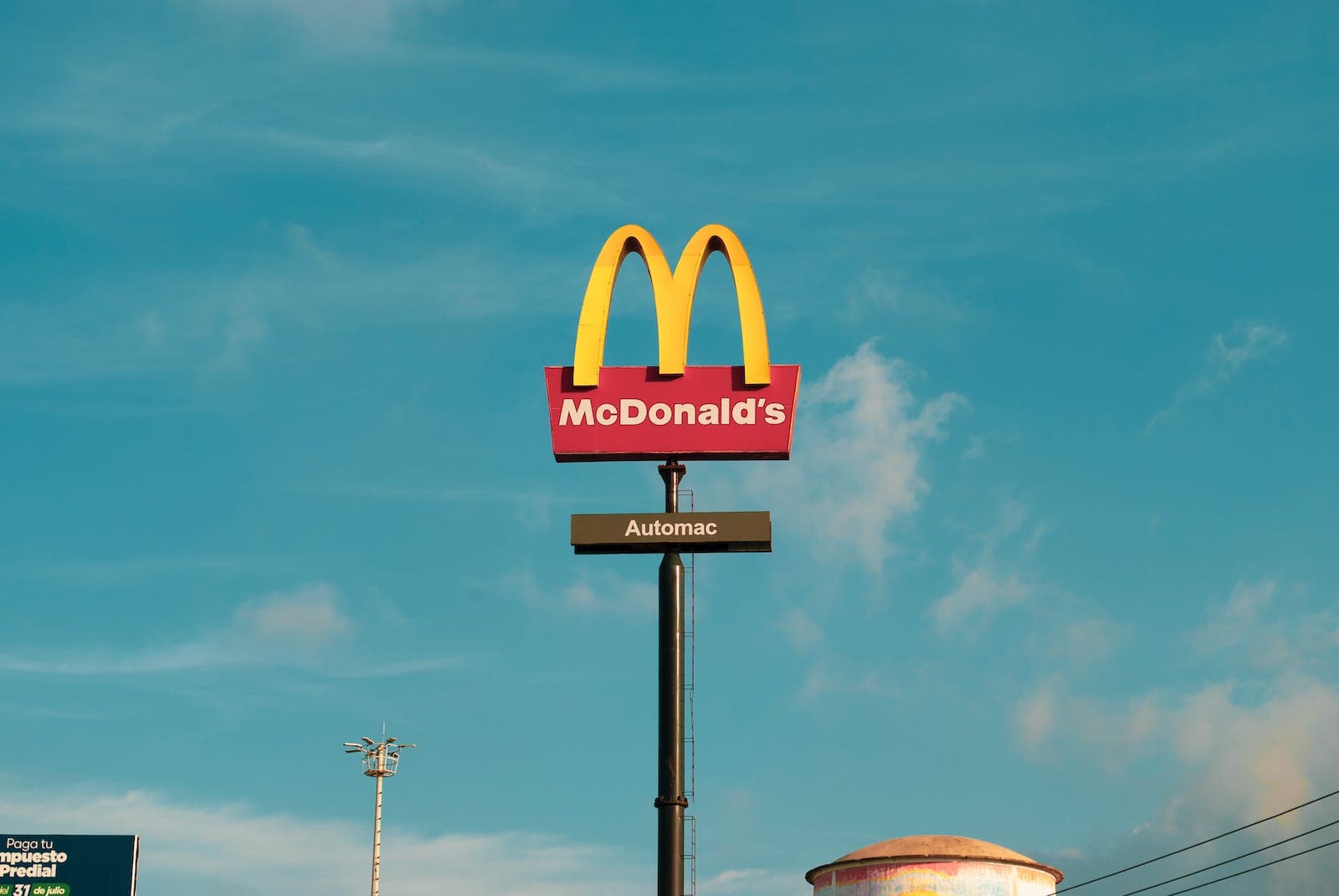
The Pros and Cons of MacDonalds
Cheap, quick burgers weighed against health and ethics
McDonald's is known almost everywhere for its golden arches and for menu staples like the Big Mac, french fries, and McNuggets. It has a loyal following. It also has a long list of critics, and the arguments on both sides tend to be about more than how the food tastes.
Below are some of the main points people raise for and against eating there, from price and speed to health and ethics. Which ones weigh most depends on what you order, how often you go, and what you care about.
Pros
For all the criticism, the chain does several things well for its customers and, in some cases, for the places where it operates.
Menu variety
The menu covers more ground than burgers. You can order a classic cheeseburger, a crispy chicken sandwich, or a salad, so a group with different tastes and cravings can usually find something for everyone at the same counter.
Global presence
With thousands of locations around the world, McDonald's is a familiar sight in many countries. Travelers in particular get something out of that, since a restaurant feels reliable abroad when you already know roughly what it serves. Locals get the same consistency at home.
Community engagement
The company often takes part in community outreach and charitable programs that support various social causes. How much difference this makes probably varies from place to place, but where the involvement is real, local communities can benefit from it.
Job opportunities
McDonald's hires a wide range of people, including students, seniors, and those looking for part-time work. Its franchise model adds another route in, because individuals can own and run their own restaurant. Both the jobs and the franchises put money and employment into local economies.
Convenient locations
This is a separate point from the sheer number of branches. The chain chooses its sites with care and puts restaurants in areas with heavy foot traffic. For commuters, travelers, and anyone with a packed schedule, that means a quick meal is often close to where they already are.
- -1
Convenience
The biggest draw is probably convenience. Because the chain is so widespread, there is usually one nearby when you need to eat quickly. That helps when you are traveling, squeezed between meetings, or simply want a fast meal without planning ahead.
- -1
Affordability
McDonald's has a reputation for cheap food, and it mostly earns it. Value meals and dollar menu items let individuals and families eat out without breaking the bank, which makes the chain an easy pick when money is tight.
Missing a pro?
Let us know which pro you are missing!
Cons
The drawbacks range from what is on the tray to how the company treats workers, animals, and the environment.
- +1
Ethical issues
The company has been criticized over its labor practices, its animal welfare standards, and the ethics of its supply chain. Fair pay, the treatment of farm animals, and where ingredients come from are the recurring points of debate, and they feed wider doubts about its social responsibility.
Health concerns
Much of the menu is high in salt, sugar, and fat, and that kind of food has been linked to obesity, heart disease, and diabetes. An occasional meal is unlikely to do much harm. Eating fast food regularly is where the long-term risk lies, because it easily adds up to an unhealthy diet.
Nutritional transparency
Critics have complained that the nutritional information on offer is not detailed or clear enough. If you can't easily judge the nutritional value of a meal or the quality of its ingredients, it gets harder to make informed choices about what you eat. How big a problem this is likely depends on what a given restaurant provides.
Cultural influence
In various regions, the spread of McDonald's and of fast-food culture in general has been tied to possible harm to local culinary traditions, eating habits, and food preferences. The worry is that food choices start to look the same everywhere, and some local diversity disappears.
Menu standardization
The consistency that reassures travelers has a downside. Because the menu is largely standardized across regions, the options can feel limited, especially for people with dietary restrictions or for those who would rather eat local and regional food.
Labor and wage issues
Wages and working conditions get particular scrutiny. Critics argue that the company's pay and labor policies may not adequately support its employees, and this has led to calls for better wages, benefits, and working conditions.
- -1
Environmental impact
A business this size leaves a large footprint. Critics point to plastic waste from packaging, deforestation linked to beef production, and carbon emissions from transport. Together these have raised questions about the company's ecological footprint and how sustainable its practices really are.
Missing a con?
Let us know which con you are missing!
Conclusion
If you eat there now and then, price and speed will probably decide it, and the health concerns matter less. If it is a regular habit, or if labor and environmental issues weigh heavily for you, the cons carry more weight. Looking at the nutritional information before you order, where it is available, is an easy place to start.
What do you think?
Do you think the pros outweigh the cons?
You might also like 👇