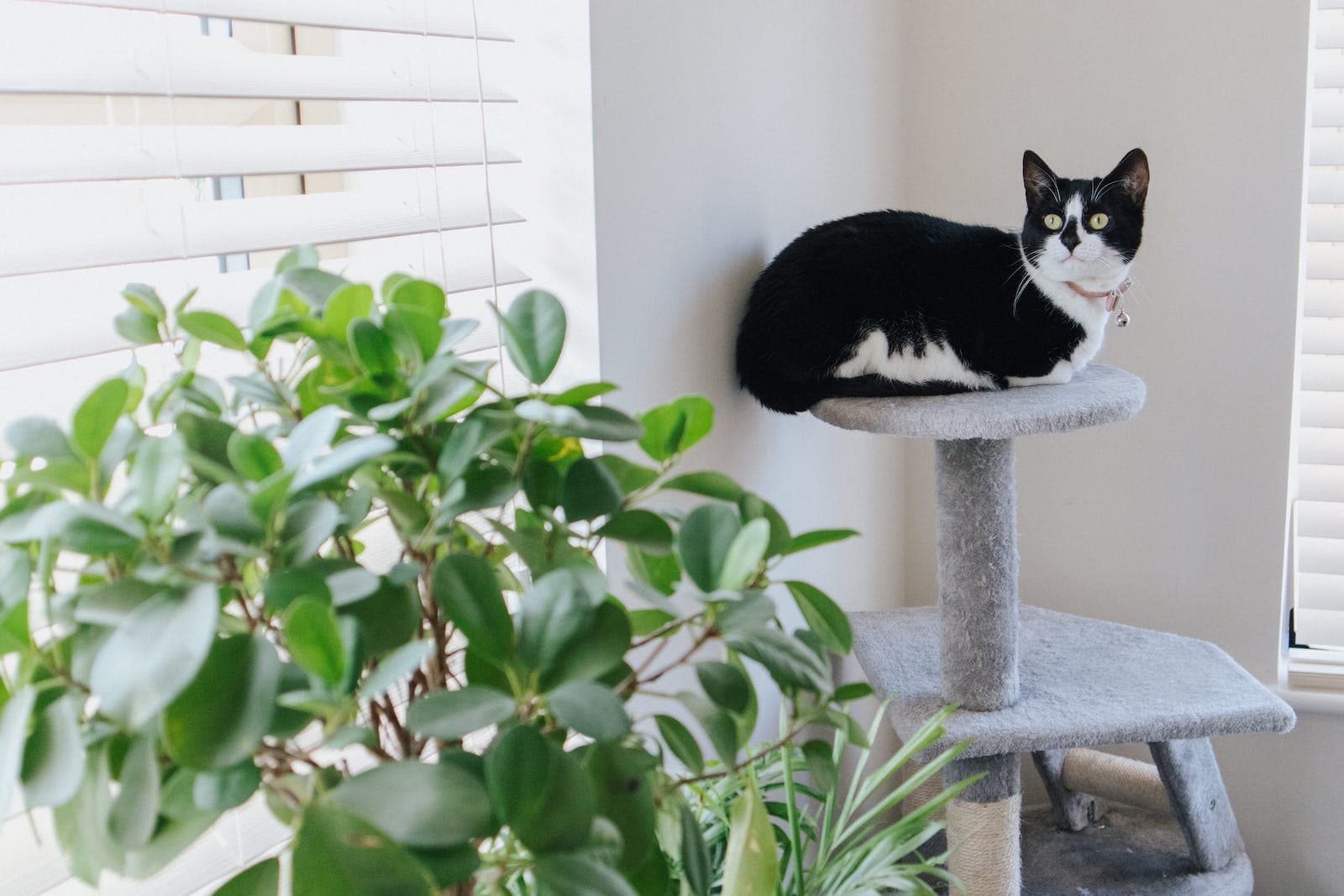
The Pros and Cons of Having a Cat as a Pet
Affection and calm against allergies, hair, and scratching
Cats have been popular pets for centuries. Part of the appeal is that they are independent and still good company. Whether you are thinking about getting a cat or already share your home with one, it helps to look honestly at both sides.
Their play and their purring can bring a lot of joy into a house. They also come with chores, and for some people with health problems.
Pros
Even with their independent streak, cats have plenty going for them.
- +2
Pest control
Cats are born hunters, and that instinct has a practical side. A cat can help keep mice and insects out of the house, and some will even go after snakes. Often the mere presence of a cat is enough to discourage rodents and other unwanted visitors from settling into your living space.
Low maintenance
Compared with dogs, cats ask relatively little of you. They groom themselves thoroughly, use a litter box, and can keep themselves busy when you are occupied with other things. That makes them a practical choice for people with full schedules or not much time to spend on pet care.
Emotional well-being
Many owners find that time with a cat lowers their stress and anxiety. The steady purring and the rhythmic kneading have a calming effect on a lot of people, and that effect is easy to notice at the end of a long day. There may be a benefit for the heart as well, which comes up again under health below.
Entertainment and playfulness
Cats are natural entertainers. Watching one chase a toy, leap to a height that seems impossible for its size, or poke its nose into whatever is new in the room can keep an owner amused for a long time. Their acrobatics and playfulness make a home feel livelier.
Therapeutic benefits
Cats are often credited with therapeutic effects for their owners: less stress, relief from anxiety, and possibly lower blood pressure. The blood pressure claim is probably the least certain of these. Still, spending some quiet time with a cat seems to settle many people down and support their emotional well-being.
Health benefits
Having a cat in the house has been linked to a lower risk of heart attack and stroke. A link does not prove that the cat causes the difference. A calmer, more peaceful home is likely good for your overall health either way, and a cat can contribute to that.
Healing Purr PowerThis advantage was added by a visitor
The soothing sound of a cat's purr has been observed to have healing properties. Studies have shown that the low frequency vibrations of a cat's purr can reduce stress and anxiety in individuals. The calming effect of a cat's purr can help people feel more at ease and relaxed, potentially alleviating symptoms of uneasiness or panic. There are anecdotal accounts of cats stopping panic attacks by purring, further highlighting the therapeutic potential of a cat's purr. This unique ability of cats to provide emotional support through their purring adds to their role as comforting companions in times of distress.
- -2
Affectionate companions
Cats have a reputation for being aloof, yet many of them are very affectionate. They bond closely with their owners and often come looking for physical contact, whether that means cuddling or a firm head butt against your hand. For someone who lives alone, or who simply wants a companion that never judges, a cat can offer real emotional support and company.
Missing a pro?
Let us know which pro you are missing!
Cons
Before you bring a cat home, it is worth knowing where things can get difficult.
- +2
Independence and solitude
The independence that some people love in cats is hard for others. Many cats are fairly aloof and do not look for constant attention or affection from their owners. If you want a pet that interacts with you all the time, a cat may leave you feeling somewhat alone.
- +1
Scratching and furniture damage
Scratching is instinct. Cats do it to keep their claws in shape, and a scratching post helps, but some cats will still go after furniture and other household items. That can mean damaged property, along with ongoing effort in training and managing the habit.
Allergies and asthma triggers
For people with allergies or asthma, a cat can be a real health problem. Dander and saliva are common allergens, and they can set off symptoms in sensitive people. If anyone in the household has a known allergy, think the health side through carefully before deciding to bring a cat home.
Litter box maintenance
Cats are clean animals, yet the litter box comes with the deal. It needs regular scooping, cleaning, and fresh litter to keep the house hygienic. Some people find handling cat waste a serious drawback, and it is worth being honest with yourself about that before you commit.
Hair and shedding
Cats shed a lot, and in certain seasons even more. Hair ends up on furniture, clothes, and just about every other surface, and for some owners keeping up with it feels like a constant battle. Regular grooming and vacuuming are needed to stop it from building up around the home.
Potential behavior issues
Some cats develop behavior problems such as aggression, biting, or spraying. These habits can be hard to break, sometimes to the point where you need professional help, and while they last they put a strain on the household.
- -1
Possibility of allergic reactions
Apart from existing allergies and asthma, some people develop a reaction to specific proteins in a cat's saliva or skin. Symptoms can include itching, rashes, and difficulty breathing, and even in milder cases they are uncomfortable to live with.
Missing a con?
Let us know which con you are missing!
Conclusion
If anyone in your home has a cat allergy or asthma, that usually settles the question before anything else does. Otherwise the deciding factors tend to be practical ones: whether you mind scooping a litter box and finding hair on your clothes, and whether a pet that wants attention mostly on its own terms suits the way you live.
What do you think?
Do you think the pros outweigh the cons?
You might also like 👇