The Benefits and Drawbacks of Reading Books
What a reading habit gives you and what it takes
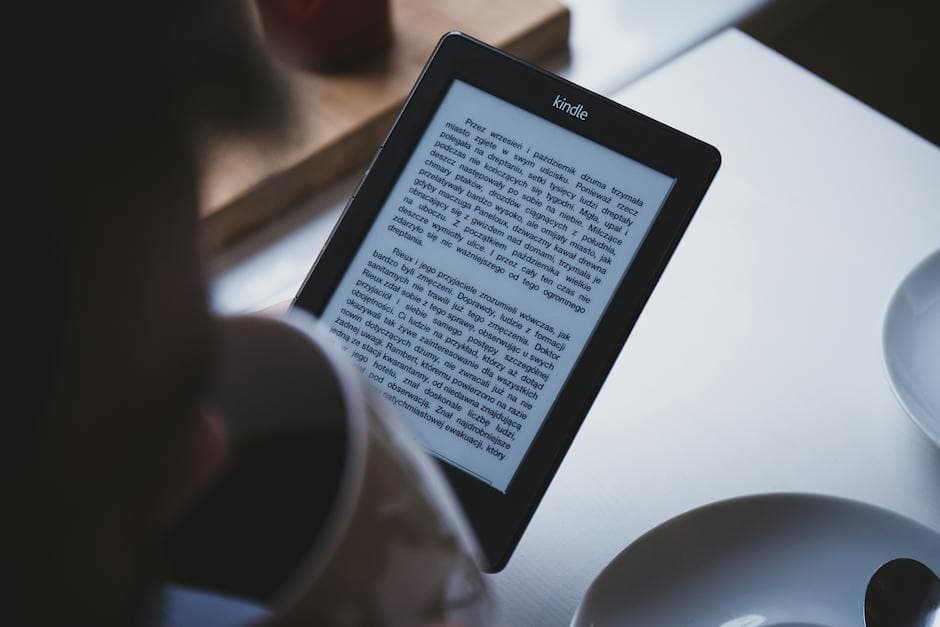
Reading books is one of the few pastimes that people of every age enjoy. It entertains, and it can keep the mind active and help people grow. It has downsides too, some practical and some less obvious.
The benefits people mention most run from a bigger vocabulary to lower stress. On the other side sit the hours it takes and the risk of withdrawing from others. These are the main points we found, though your own situation may add a few.
Pros
Most of these benefits depend on reading regularly.
- +1
Keeps the brain active
Reading keeps the brain busy. It may improve connectivity and lengthen your attention span, and it has been linked to a lower risk of cognitive decline with age, though a link on its own does not prove that reading is the cause.
- +1
May help you sleep
A chapter before bed may improve the quality of your sleep, and better sleep supports your health and well-being in general.
Builds vocabulary and language skills
If you read regularly, you come across a wide range of words. Over time that tends to improve your language skills as well, including grammar and comprehension.
Can build empathy
Following a character's life from the inside asks you to see the world the way someone else does. Readers can develop empathy and emotional intelligence this way, which may help in their own relationships.
Lowers stress
A good book takes you to another world for a while. That escape can bring down stress and anxiety.
Trains focus
Getting through a book takes concentration. Practice that often enough and the focus may carry over into other parts of your life.
Feeds creativity and imagination
Books show readers ideas, situations, and points of view they might never meet otherwise. As the mind works with that material, it can form new connections, and that is often where original thoughts begin.
Sharpens critical thinking
Some books push back. When one challenges what you believe or lays out a complicated situation, you have to weigh it, and readers who do that often learn to analyze and evaluate arguments and to hold more nuanced views.
Supports mental well-being
Beyond the short escape, reading has been linked to better mental well-being more broadly. It can interrupt negative thought patterns and offer comfort in hard times, and for some people it adds a sense of fulfillment and purpose.
- -1
A source of knowledge and inspiration
Books cover almost any subject you might want to learn about. They also put you in touch with perspectives other than your own, and many readers find inspiration there.
Missing a pro?
Let us know which pro you are missing!
Cons
Some drawbacks are practical, like cost and storage. Others are habits that can get out of hand.
- +1
Takes time
A book can take hours, often many of them. For people with a full load of other responsibilities, finding those hours is usually the hard part.
Can become compulsive
Some people develop a compulsive need to read. When that happens, other activities and responsibilities that matter can start to slide.
Eye strain
Reading for long stretches can strain your eyes and cause related problems. Digital screens tend to make it worse.
Books take up space
Physical books need somewhere to live, and a large collection needs a lot of room. You may end up buying bookshelves or other storage, which is a hassle, and in a small home the books compete with everything else for space.
Can pull you away from reality
Fiction in particular can absorb a reader so completely that real life starts to feel distant. Some escapism does you good, as the pros suggest. Taken too far, though, that detachment can make it harder to engage with real experiences and with the people around you.
Can hurt productivity
For some people, a book becomes a way to put off other work. One more chapter turns into a long reading session, tasks and responsibilities get pushed aside, and productivity in other areas of life suffers.
- -1
Can isolate you
Too much reading can cut you off from other people. Time alone with a book is time not spent with others, and for some readers the balance tips too far.
- -1
Books cost money
Buying new books all the time, or building a personal library, gets expensive. Avid readers feel this most.
- -1
Fewer real-life experiences
Hours with a book are hours not spent out in the world. Someone who reads a great deal may miss out on varied real-life experiences and social contact.
- -1
Emotional impact
Some books stir up strong emotions or trigger anxiety. That can weigh on a reader's emotional well-being.
Missing a con?
Let us know which con you are missing!
Conclusion
Several of the cons only apply when reading starts to take over: isolation, compulsion, lost productivity, and detachment from real life. If books already crowd out your responsibilities or your social life, setting a limit will probably matter more than choosing what to read. If you hardly read at all, time is the main cost to weigh, and the other drawbacks are unlikely to affect you much.
What do you think?
Do you think the pros outweigh the cons?
You might also like 👇