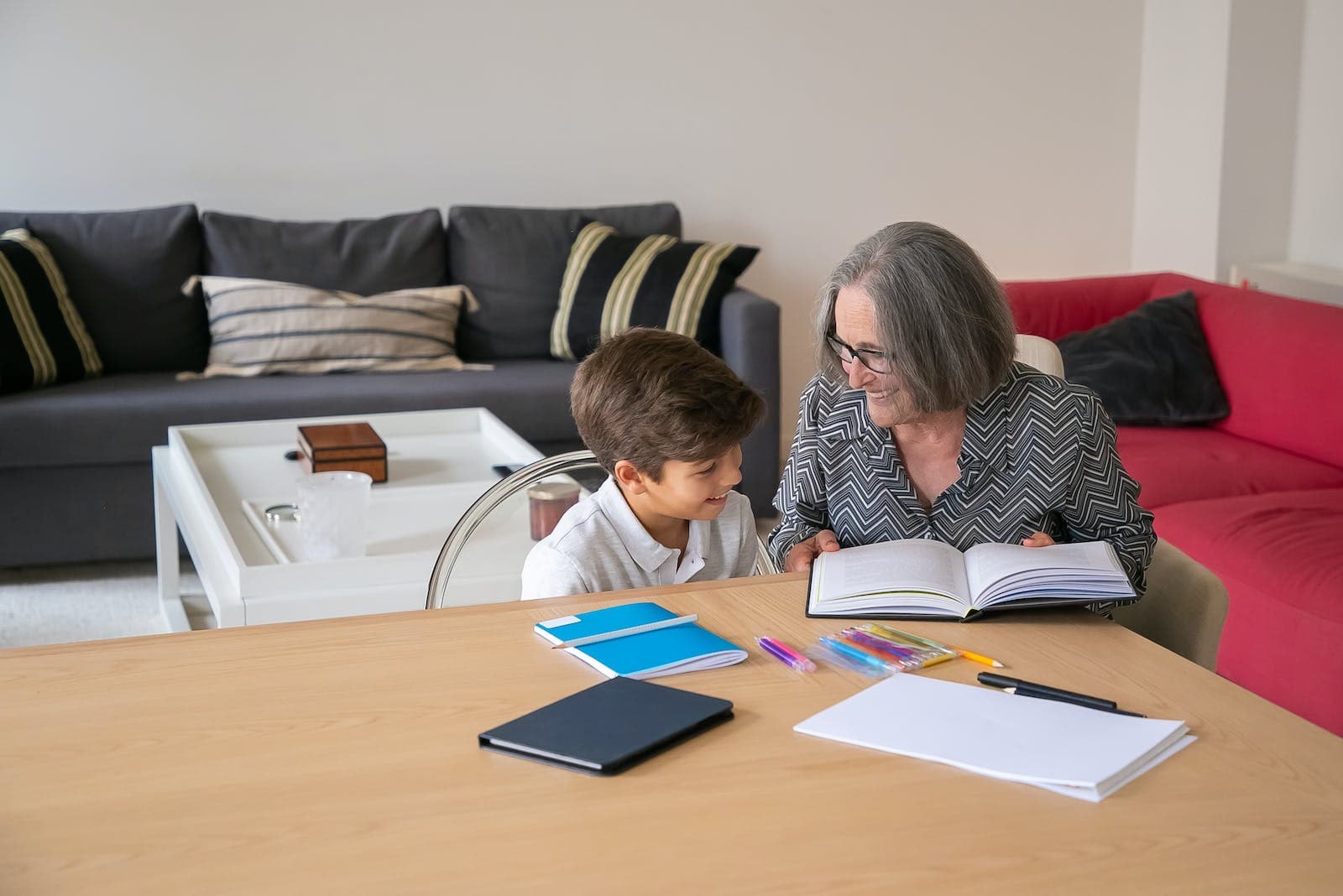
The Pros and Cons of Homeschooling
Tailored lessons at home, and what they ask of parents
Homeschooling, also called home education, means children are taught at home or in other places outside school, usually by a parent, a tutor, or an online teacher. Plenty of parents choose it. It also remains the subject of a lot of debate.
The appeal usually comes down to flexibility and lessons that fit the child. The difficulties mostly concern the parent's time and what a single household can realistically offer. Below are some of the main arguments on both sides.
Pros
Most of the advantages come from the same source: a parent who can adjust almost everything to one child, or a few.
- +1
Enhanced focus and fewer distractions
A classroom is rarely quiet. Other students interrupt, there is background noise, and whatever else is going on in the room pulls attention away. At home the atmosphere is usually calmer and more concentrated, so a child can focus longer and absorb material more easily. How much calmer depends, of course, on the household.
Customized learning experience
Teaching at home means the lessons can be shaped around one particular child: their needs, their interests, and the way they learn best. For many families this is the biggest draw. When the approach really fits the child, learning usually becomes more effective, and often more enjoyable as well.
Flexible schedule and learning environment
No school timetable dictates the week. If the family travels, has an event coming up, or has other commitments, lessons can move around them. The learning also happens at home, in a setting the child knows well and feels comfortable in, and for many children that familiarity makes it easier to settle down and learn.
Strong family bonds and values
Parents who teach their own children are involved in their daily learning and growth. That closeness can strengthen the bond between them. Homeschooling also lets a family decide how much weight its own values, morals, and beliefs get in the lessons, and build them into the education from the start.
Individualized pace and attention
Children move at their own speed. Nobody rushes them through a topic they haven't grasped, and nobody holds them back when they're ready for the next one. With so few students, a parent has time to work on each child's weak spots and build on their strengths, which tends to lead to a deeper understanding of the material.
Personalized curriculum and instruction
Parents also get to choose what is taught, from the full curriculum down to individual lessons. They can build the program around their child's learning style, give more room to strengths, and target the areas that need improvement. Done well, this tailor-made instruction tends to make learning more effective and leaves the child with a firmer grasp of each subject.
- -1
Safe learning environment
Some parents worry about bullying, peer pressure, or other safety problems at school. For them, homeschooling offers a secure setting where the child can develop without those concerns, or at least with far fewer of them.
Missing a pro?
Let us know which pro you are missing!
Cons
The drawbacks are just as practical, and several of them land on the parent.
Lack of social interaction and diverse perspectives
The most common criticism is that homeschooled children may spend less time with peers and encounter fewer different points of view. At school, a child deals every day with a mixed group of classmates, and that is where a lot of important social skills get practiced. How much a homeschooled child misses depends on their contact with other kids, but the risk is there.
Time and commitment
Teaching your own children takes a great deal of time and resources. The parent or guardian who becomes the teacher usually still has work, a household, or both to run. Fitting lessons in alongside all of that can be hard to keep up.
Limited access to specialized resources and expertise
Schools often have specialized resources and facilities, along with trained teachers. Much of that is difficult for a family to replicate at home. As a result, offering a broad and varied education can be a struggle, particularly in subjects that call for equipment or expert knowledge.
Potential for parent-child strain
Being both parent and teacher is a double role, and it can put pressure on the relationship. Keeping discipline during lessons is demanding when the student is your own child. Over time, juggling the two roles may change the way the family gets along.
Reduced opportunities for extracurricular activities and sports
Schools typically offer organized sports and other extracurricular activities, which also double as social opportunities. Homeschooled children may have less access to them. That can mean fewer chances to learn teamwork, to experience competition, and to get regular physical education.
Limited peer learning and collaboration
Group projects, class discussions, and other collaborative work are a normal part of school life. Students learn from one another there, picking up knowledge and ways of thinking they might not have come to on their own. A homeschooled child who works mostly with a parent may get much less of this. What they risk missing is the diversity of thought that comes from dealing with classmates regularly.
Challenges in meeting educational standards and requirements
Homeschooling families have to meet the educational standards and requirements set by the state or local authorities, and that is not always easy. There are curriculum guidelines to follow, standardized tests to prepare for, and records to keep. For a parent without a background in education, it can be overwhelming. Delivering a well-rounded education within those rules takes careful planning and close attention to the regulations.
Missing a con?
Let us know which con you are missing!
Conclusion
Which way it tips depends mostly on the child and on the parent's circumstances. A family with real time to teach, and a plan for regular contact with other children, starts in a much better position than one squeezing lessons in around work. Before deciding, check what your state or local authority requires, since those rules determine how much testing and record-keeping you would be taking on.
What do you think?
Do you think the pros outweigh the cons?
You might also like 👇