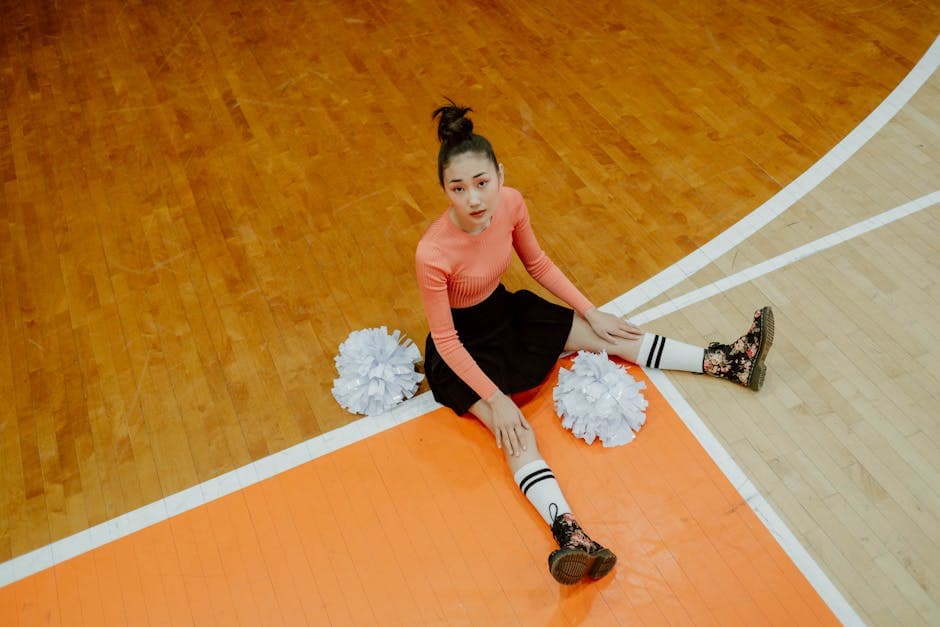
The Thrilling Experience of Being a Cheerleader: Pros and Cons
What cheer gives you and what it asks in return
Being a cheerleader means energetic performances, loud support for a team, and a lot of work behind the scenes. Many young athletes are drawn to it because it mixes creativity with fitness. Like any competitive pursuit, though, it has its difficult sides.
Cheerleading is still closely tied to football games and basketball matches, yet it has grown into a competitive sport of its own, with levels running from recreational to elite. That growth shapes both what people get out of it and what it demands of them.
Pros
Most of the benefits go beyond stunts and routines, reaching into health, friendships, and how people see themselves.
Physical fitness
Cheerleading asks a lot of the body. Routines combine jumping, tumbling, and lifting, so a single practice works on strength, flexibility, endurance, and agility at the same time. Over months of hard practices and performances, most cheerleaders build better cardiovascular health, more muscle tone, and greater flexibility. The demands of the sport also tend to spill over into daily habits. When practice takes that much energy, eating properly and exercising regularly start to make practical sense, and those habits can stay with you long after you stop cheering.
Social connections
Almost nothing in cheerleading happens alone. You learn routines together, compete together, and stand on the sidelines cheering for the same team, and that shared routine usually builds a strong sense of belonging. Many of these friendships outlast the sport and can become a source of support in other parts of life. The habits of cooperation picked up in a squad carry over as well. Someone who has spent years relying on teammates, and being relied on in return, often handles personal and professional relationships with a bit more ease.
More confidence
Performing in front of a crowd, at a game or a competition, is a fast way to get past stage fright. Each routine that comes together gives a sense of accomplishment, and as stunts get cleaner, cheerleaders learn to trust what they can do. A good squad adds to this. When teammates are supportive, members are more willing to step out of their comfort zone, take on something harder, and stop hiding what makes them different, which usually leads to a more positive self-image.
Leadership skills
Cheerleaders often direct chants and routines, which puts them in front of both a team and a crowd. Doing that regularly builds accountability, along with the knack of motivating and inspiring other people. You also learn when to take initiative and when to work alongside others. These skills are not limited to the field, and they tend to show up later in schoolwork and in a career.
Creative expression
Choreography, music, and costumes give cheerleaders room to express themselves. Designing a routine and adding a personal touch lets each member show some individual style while still fitting into what the team does as a whole. For people who enjoy both performing and sport, that mix of creativity and athleticism can be very satisfying and a big part of why they keep at it.
Missing a pro?
Let us know which pro you are missing!
Cons
The same push for excellence that makes cheerleading rewarding can also make it hard on body, schedule, and wallet.
Risk of injury
Cheerleading is physically demanding, and it carries a real risk of injury. Falls happen during stunts, and tumbling brings its share of sprains and strains. Because routines depend on precise execution, athletes feel pressure to keep drilling them, which can tip into overtraining or injury. Proper training, attention to safety, and listening to your body lower the risk, though they do not remove it. For some cheerleaders the physical toll eventually outweighs the fun, and they end up torn between a sport they love and their own health.
Time commitment
Regular practices, games, and competitions take a large share of time and energy. For anyone who also has school, a job, or other activities, the schedule can be hard to fit in, and it leaves less room for studying and for a social life outside the squad. Burnout is a real possibility. When the expectation is to perform at a high level again and again, some cheerleaders become stressed and worn out, and over time they may lose interest in a sport they once enjoyed.
Competitive pressure
Competitive cheerleading rewards excellence, and that creates pressure that does not suit everyone. Expectations come from coaches, from judges, and from the athletes themselves. Within a squad, the push to stand out can turn into unhealthy rivalry between members and a lot of individual stress. At elite competitions the stakes rise further. Some cheerleaders find the enjoyment slipping away, and a few come out of it feeling discouraged or inadequate, as if they never quite measured up.
Financial burden
Cheerleading can be expensive. Uniforms, travel to competitions, and fees for classes or camps add up quickly, and for some families the total is enough to limit participation or cause stress for both the cheerleader and the parents. Planning for these costs ahead of time probably makes it easier to stay enthusiastic about the sport.
Academics and cheer
Practice schedules and events sometimes clash directly with schoolwork. Keeping grades high is harder when so much time goes to the squad, and the strain of keeping both going can cause stress and anxiety. In some cases grades do drop. Student-athletes who manage well in both usually rely on good time management and firm boundaries about when cheer ends and studying begins.
Missing a con?
Let us know which con you are missing!
Conclusion
Whether cheerleading is worth it usually comes down to what you want from it and who is backing you. A recreational squad asks far less in time, money, and pressure than an elite competitive team, so the level you join probably matters as much as the sport itself. If you are unsure, ask about the practice schedule, the yearly costs, and how the coaches handle safety before you commit.
What do you think?
Do you think the pros outweigh the cons?
You might also like 👇