The Rise of 0.0 Beers: Exploring Their Benefits and Drawbacks
Health, social life, and the catch in alcohol-free beer
0.0 beers taste like beer and contain no alcohol, or so little that you won't feel it. They have caught on with very different groups of people, from those cutting back for their health to people who simply like the taste. They have clear advantages and some real drawbacks.
More breweries now make them, with more recipes, so the selection is much wider than it used to be. If you want to drink less, are the designated driver tonight, or are just curious, the points below should help you decide whether they belong in your fridge.
Pros
Non-alcoholic beer gives you flavor and a way to join in, without the effects of alcohol. These are the main benefits.
A healthier lifestyle choice
For many people, health is the main reason to pick a 0.0 beer. Regular beer can carry a fair number of calories and contribute to weight gain, while non-alcoholic versions tend to be lower in calories, which helps if you are watching your weight. Without alcohol there is no hangover either, and your liver is spared the strain that drinking puts on it, so a few bottles over an evening are far easier to manage. That matters to people in recovery, and to anyone who wants to stay away from alcohol for their own reasons.
Social enjoyment without the alcohol
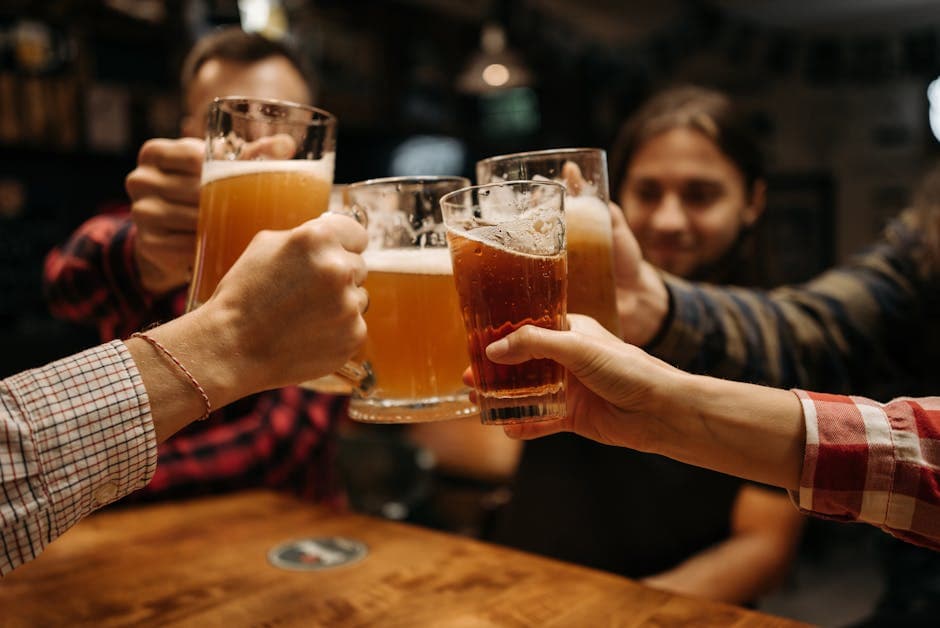
Plenty of drinking is social. With a 0.0 beer you can take part in that side of it at a party, a barbecue, or a night out with friends, holding the same kind of bottle as everyone around you. That small thing can take away the sense of being left out, or of having to make a social compromise just because you are not drinking. Many 0.0 beers also come close to the taste and feel of regular beer, so they work well as a stand-in at gatherings.
Variety and innovation
Non-alcoholic beer used to mean a limited choice of bland options. The craft beer movement changed much of that. You can now find styles ranging from IPAs to stouts, and many breweries put real effort into complex flavors that hold up on their own, instead of tasting like a weaker copy of the real thing. This widens the appeal considerably. It also means you can try new tastes without dealing with the effects of alcohol, and it has raised what people expect from a non-alcoholic beer.
Sensible option for designated drivers
Designated drivers get an obvious benefit. They can join in, enjoy the taste of beer, and still drive home sober, which is safer for them and for everyone else on the road. It takes some pressure off, too. When there is a convincing alternative on the table, someone who isn't drinking alcohol is less likely to feel pushed into ordering a regular beer, and the gathering becomes more inclusive for it.
Lower caloric intake
Non-alcoholic beers generally contain fewer calories than alcoholic ones. If you keep track of what you eat and drink but still want something with flavor, that makes them an attractive pick. Swapping a regular beer for a 0.0 version lets you satisfy the craving and stick to your dietary goals, usually without giving up much in taste.
Accessible for everyone
Some people cannot drink alcohol, and others choose not to. Pregnant women, people on medication, and recovering alcoholics are among them, and 0.0 beer gives them something that looks and tastes like beer. At social events this means everyone can share in the same drink and the rituals that come with it, whatever their reason for skipping alcohol, which brings a group closer together.
Missing a pro?
Let us know which pro you are missing!
Cons
They are not the right answer for everyone. Some drawbacks concern health, some concern how others see you, and a few are practical.
Might trigger old habits
For recovering alcoholics and people with a history of alcohol abuse, 0.0 beer can be risky. The taste and smell of beer are strong reminders, and for some they may be enough to pull them back toward drinking. Social situations make this harder, because regular beer is often within reach and the temptation to switch can be strong. Some people in recovery therefore avoid non-alcoholic beer entirely, so the psychological triggers never get a chance to come up.
Questionable ingredients
Being lower in calories and free of alcohol does not automatically make a drink healthy, so look closely at the ingredients. Some non-alcoholic beers contain artificial flavors, preservatives, and other additives that eat into the health advantage. Brewers sometimes add a lot of sugar to improve the taste, and too much of it can contribute to weight gain or higher blood sugar levels. Reading the label is the only reliable way to know what you are actually drinking.
Perception and stigma
0.0 beers are more accepted than they used to be, yet a stigma still hangs around them. Some people see those who drink them as overly health-conscious or as no fun on a night out. For someone who simply wants a drink that lets them take part socially, that reaction can be discouraging. There is also a common idea that choosing a non-alcoholic beer amounts to sitting out the fun and excitement, and that belief probably keeps some people from ever trying one.
Limited availability
Even as they grow more popular, 0.0 beers are still harder to find than alcoholic beers. That gets frustrating when you have a favorite and the shop or bar around the corner doesn't stock it. In some regions the range of brands and styles is thin, which limits your choice and can leave you settling for something you like a lot less than what you came for.
Taste discrepancies
Most 0.0 beers try to taste like regular beer, and many still don't quite get there. The differences can be noticeable enough to put some drinkers off. Flavor also varies a lot from one brand to the next, so someone comparing a bottle with their favorite alcoholic brew may well find it unsatisfying. That inconsistency is behind much of the complaint that non-alcoholic beer doesn't live up to expectations.
Potential for overconsumption
Because 0.0 beers contain little or no alcohol, some people assume they can drink as many as they like without consequences. That assumption can lead to drinking far too much of them. Large amounts can still cause bloating, weight gain, or other gastrointestinal problems, much like those blamed on regular beer. Keeping an eye on how much you drink still makes sense with the non-alcoholic kind.
Missing a con?
Let us know which con you are missing!
Conclusion
If alcohol is the specific thing you want to avoid, because you are driving, pregnant, on medication, or watching your health, a 0.0 beer is an easy swap, as long as you check the label for sugar and additives. People in recovery should think harder about it first. For some of them, the taste and smell of beer are exactly what they need to stay away from.
What do you think?
Do you think the pros outweigh the cons?