The Great Tomato Debate: Unveiling the Pros and Cons
Nutrients and lycopene versus acidity and allergies
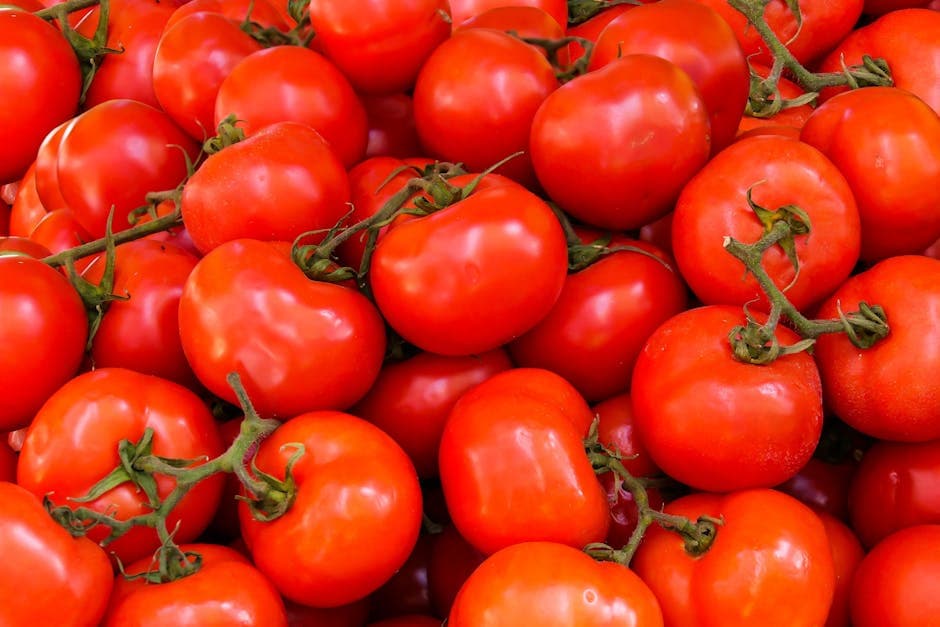
Tomatoes turn up in salads, sauces, and juice almost everywhere, and most people file them under healthy food. That reputation is mostly earned. They also give some people heartburn, trigger allergies in a few, and come with questions about how they are grown.
Shops and markets sell them in many varieties and colors, each with its own taste and texture. Below are the main arguments on both sides. How they weigh up for you depends a lot on your stomach and your health.
Pros
Most of the case for tomatoes rests on what they contain for very few calories: vitamin C, vitamin K, several B vitamins, and the antioxidant lycopene.
Lycopene and heart health
Tomatoes are high in lycopene, an antioxidant that has been linked to a lower risk of heart disease. It seems to help lower LDL cholesterol and to protect the arteries against damage. Eating tomatoes regularly may also bring blood pressure down and support the cardiovascular system more broadly, though how large the effect is probably differs from person to person. That makes them a sensible pick for anyone adjusting their diet with their heart in mind. The form hardly matters here, so fresh tomatoes, cooked ones, and a simple sauce all count.
Rich in vitamins and minerals
Tomatoes carry a useful spread of vitamins and minerals. They are a good source of vitamin C, which supports the immune system and helps keep skin healthy, and of vitamin K, which the body needs for strong bones. Several B vitamins are in there as well, among them folate, which plays a part in cell division and in keeping cells healthy in general. Eating tomatoes often makes it easier to cover your daily nutrient needs without much planning. You can have them raw or cooked, and either way they keep a good share of these nutrients.
Low in calories and filling
Tomatoes have very few calories, which makes them a good fit if you are watching your weight. They are mostly water and also contain fiber, so they fill you up without adding much to your daily total. That means you can eat a generous portion without worrying about overdoing it. In a meal they help you feel satisfied while still supplying nutrients, which suits people who are trying to lose weight as well as those who simply want to stay at a healthy weight.
Help you stay hydrated
About 95% of a tomato's weight is water. Eaten regularly, that makes a real contribution to your daily fluid intake, whether the tomatoes come in a salad, in a sauce, or on their own as a snack. In hot weather, when dehydration is more of a risk, this is especially welcome. Getting enough fluid helps your general health and your physical performance, and it keeps skin hydrated, which tends to help it look fresher.
Versatile in the kitchen
Few ingredients in the kitchen are as flexible as tomatoes. You can use them fresh, cooked, dried, or pureed, and each form leads to different dishes. They add flavor to sauces, soups, salads, and salsas. They even end up in drinks, from a plain glass of tomato juice to cocktails. That range explains why tomatoes appear in so many cuisines and work for people whose eating habits and dietary preferences have little else in common.
Antioxidants against free radicals
Apart from lycopene, tomatoes contain vitamin C and various flavonoids, antioxidants that help the body cope with oxidative stress. They neutralize free radicals, which can contribute to chronic disease and to premature aging. Eating tomatoes regularly therefore supports your body's own defenses. If your eating plan is aimed at preventing disease and feeling well in general, tomatoes earn a place in it, even if no single food can do that job on its own.
Missing a pro?
Let us know which pro you are missing!
Cons
Several drawbacks affect specific groups, such as people with reflux, allergies, or diabetes. Others have to do with farming.
Acidity and sensitive stomachs
Tomatoes are fairly acidic, and that can upset the digestion of some people, especially those with gastroesophageal reflux disease (GERD) or acid reflux. Heartburn and stomach discomfort after a meal with tomatoes are the typical complaints. If you are sensitive, it pays to watch how much you eat. Cooking sometimes lowers the acidity, but it does not solve the problem for everyone, so your own tolerance matters more than any general rule. Noting how you feel after eating tomatoes is usually the quickest way to find where your limit lies and to eat more comfortably.
Allergic reactions
Some people are allergic to tomatoes. Reactions range from mild ones, such as a skin rash, to severe ones, including anaphylaxis. They happen when the immune system mistakes certain tomato proteins for something harmful. If you know you are allergic, avoiding fresh tomatoes is only part of the job, because sauces and salsas often contain tomato without making it obvious. If you suspect an allergy, see a doctor for proper testing and advice on what to avoid.
Environmental impact of farming
Commercial tomato farming raises environmental questions, mainly about pesticides and water. Many large growers rely heavily on pesticides to protect their yields, and the chemical runoff can put local ecosystems at risk. In certain regions the crop's high water needs also cause sustainability problems. If you care about the environment, buying organic tomatoes or supporting local farmers who work sustainably can reduce these effects. That does not make the issue disappear, and for some people the way most tomatoes are grown remains a reason for doubt.
Glycoalkaloids
Tomatoes contain glycoalkaloids, compounds that can be harmful in high concentrations. The amounts in tomatoes are normally safe to eat, and for most people this is not worth worrying about. Some people are sensitive to these compounds, though, and they may get gut discomfort or other reactions after eating large amounts of raw tomatoes. If you often have digestive trouble after tomatoes, keep track of how many you eat and talk to a doctor if the problem continues.
Blood sugar and diabetes
Tomatoes have a low glycemic index, yet eaten in large quantities, or as part of a meal heavy in carbohydrates, they can still play a part in blood sugar swings. For most people this is a minor point. People with diabetes, however, do well to watch their portions and to pair tomatoes with protein and healthy fats, which can limit any rise. Responses differ from person to person, so learning how your own blood sugar reacts is the most useful step.
Pesticide residue
Tomatoes are often sprayed with several pesticides while they grow, and some of the residue can reach the people who eat them. Washing removes part of what sits on the surface. Some chemicals get into the skin of the fruit, however, and those are much harder to get rid of. That raises questions about what long-term exposure does to health. If this worries you, organic tomatoes or ones you grow yourself are the most direct ways to lower the risk.
Missing a con?
Let us know which con you are missing!
Conclusion
If you have no reflux and no allergy, there is little reason to hold back on tomatoes. If acid bothers you, smaller portions of cooked tomatoes are worth trying before you cut them out entirely, and organic or home-grown fruit is the option if pesticide residue is what keeps you from buying them.
What do you think?
Do you think the pros outweigh the cons?
You might also like 👇