The Pros and Cons of Zumba Fitness
Dance cardio that burns calories, with limits for some
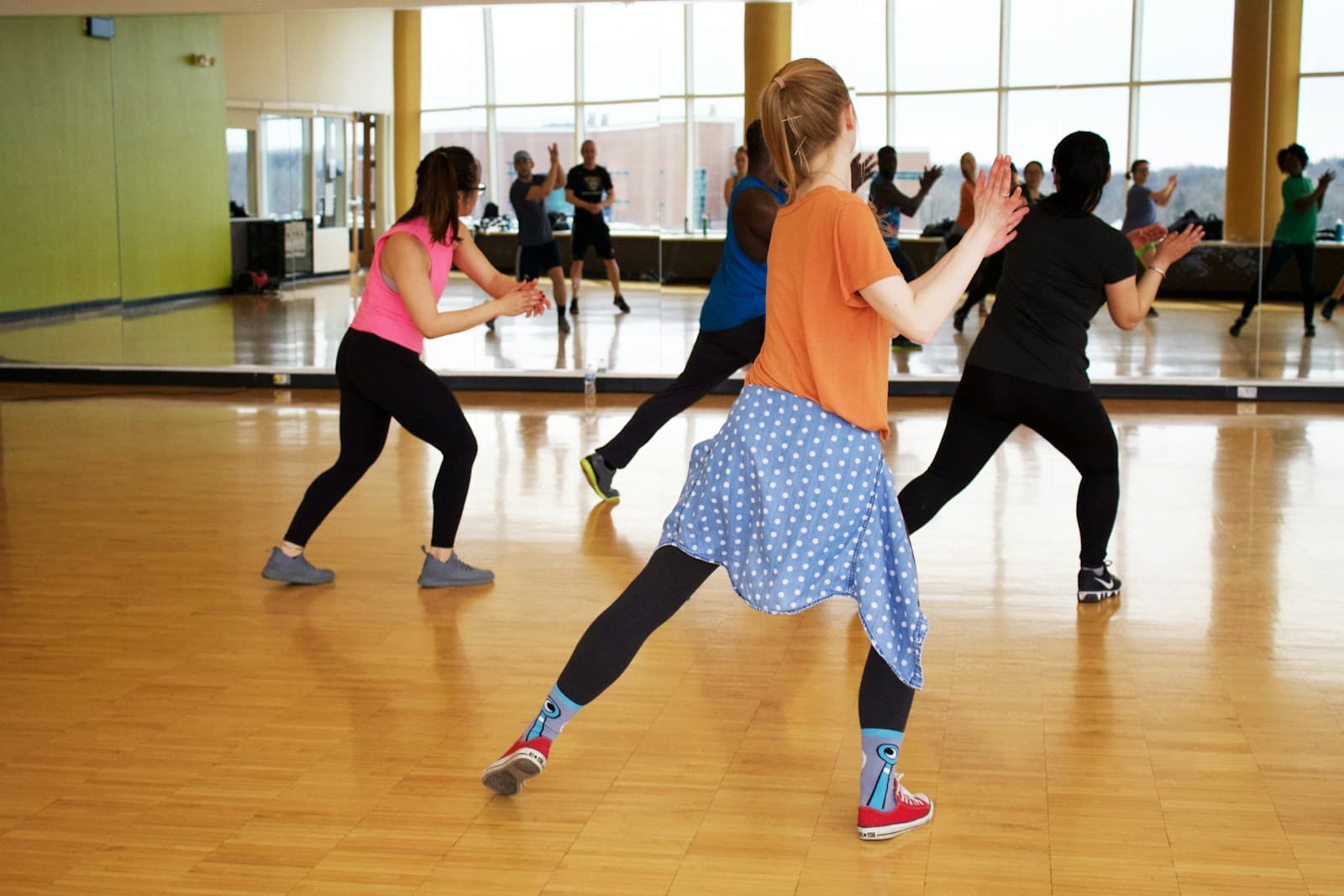
Zumba Fitness mixes dance with aerobic exercise, and that is why so many people pick it when they want a workout that doesn't feel like a workout. It has real strengths. It also has drawbacks, mostly to do with impact and with how much rhythm the classes ask of you.
Below are some of the main points on each side, from weight loss and heart health to the risk of injury.
Pros
Most of the benefits come from the fact that you keep moving for a whole class, to music, with other people around you.
Calorie-burning fun
Zumba is a high-energy cardio workout, and it can burn a good number of calories. Since the dance steps and aerobic moves are set to fast, upbeat music, a session often feels like a party, which makes it easier to keep moving all the way to the end.
Full-body workout
The routines work many muscle groups at once. Arms and shoulders move with the music while the core and legs carry most of the steps, so over time you build some general strength and tone across the whole body.
Better cardiovascular health
Done regularly, Zumba can improve your cardiovascular health. You keep moving for the full length of the class, and that sustained aerobic effort trains the heart and lungs. The word that matters here is regularly.
Stress relief
Zumba classes have a reputation for a lively, cheerful atmosphere. Music, movement, and the company of other people all play a part. For many participants, that mix helps ease stress, and they leave in a better mood than they arrived in.
Better coordination
Following the dance sequences takes coordination and some agility. Practise them often enough and your coordination usually improves, which may also show up as better balance and quicker footwork in everyday life.
Community and social contact
A Zumba class is a social setting as much as a workout. It gives you a chance to meet people, and the shared enjoyment of dance and fitness tends to create a friendly, supportive atmosphere where participants bond fairly quickly.
More flexibility and range of motion
Zumba can make you more flexible and widen your range of motion. The dance moves and stretches loosen up muscles and joints, and over time that usually means easier, freer movement in general. People who sit for long hours or lead a mostly sedentary life probably have the most to gain from this.
Muscle tone and strength
Because the routines engage so many muscle groups, they also tone and strengthen. Between the dance sequences and the bodyweight exercises in many routines, participants can build lean muscle and get stronger overall. The result tends to be a more toned look and a body that copes with physical tasks a little more easily.
Missing a pro?
Let us know which pro you are missing!
Cons
The downsides are worth knowing before you book a first class, especially if you have joint problems or little dance experience.
Rhythm and coordination
You need a certain amount of rhythm and coordination to take part. Both develop with time. If you feel self-conscious about how you dance, though, the early learning curve can feel steep and awkward, and the first classes may be hard going.
Repetitive, high-impact steps
Some moves come back again and again in a routine, and quite a few of them are high-impact steps. Without good form and technique, that repetition can lead to strain or overuse injuries. Listen to your body, and wear proper footwear that absorbs some of the impact.
Intensity varies
Intensity differs a lot from class to class. Some routines turn out to be far more demanding than people expect, so it pays to look around for an instructor and a class that match your fitness level and what you're comfortable with.
Complex choreography
Some routines have complex choreography, which is hard for beginners and for anyone with limited dance experience. Picking up the steps and rhythms, and then keeping up with them, can be a real barrier at first. Some participants end up frustrated or self-conscious, particularly in their early classes.
Not suitable for every body
Zumba is energetic, and that also means it isn't suitable for everyone. People with joint problems, chronic pain, or specific medical conditions may find that the high-impact parts of some routines are too much for their bodies. If that sounds like you, talk to a doctor or another healthcare professional before you sign up for classes.
- -1
Risk of injury
Fast, energetic moves carry some risk of injury, and that risk is higher if you already have joint or muscle problems. Know your limits. Pay attention to what your body tells you and avoid overexerting yourself, even when the class around you keeps speeding up.
Missing a con?
Let us know which con you are missing!
Conclusion
If you have joint issues, chronic pain, or a medical condition, check with a healthcare professional first and look for a lower-intensity class. If you don't, the main question is whether you enjoy dancing in a group; a trial class with an instructor who suits your fitness level will tell you more than any list.
What do you think?
Do you think the pros outweigh the cons?
You might also like 👇