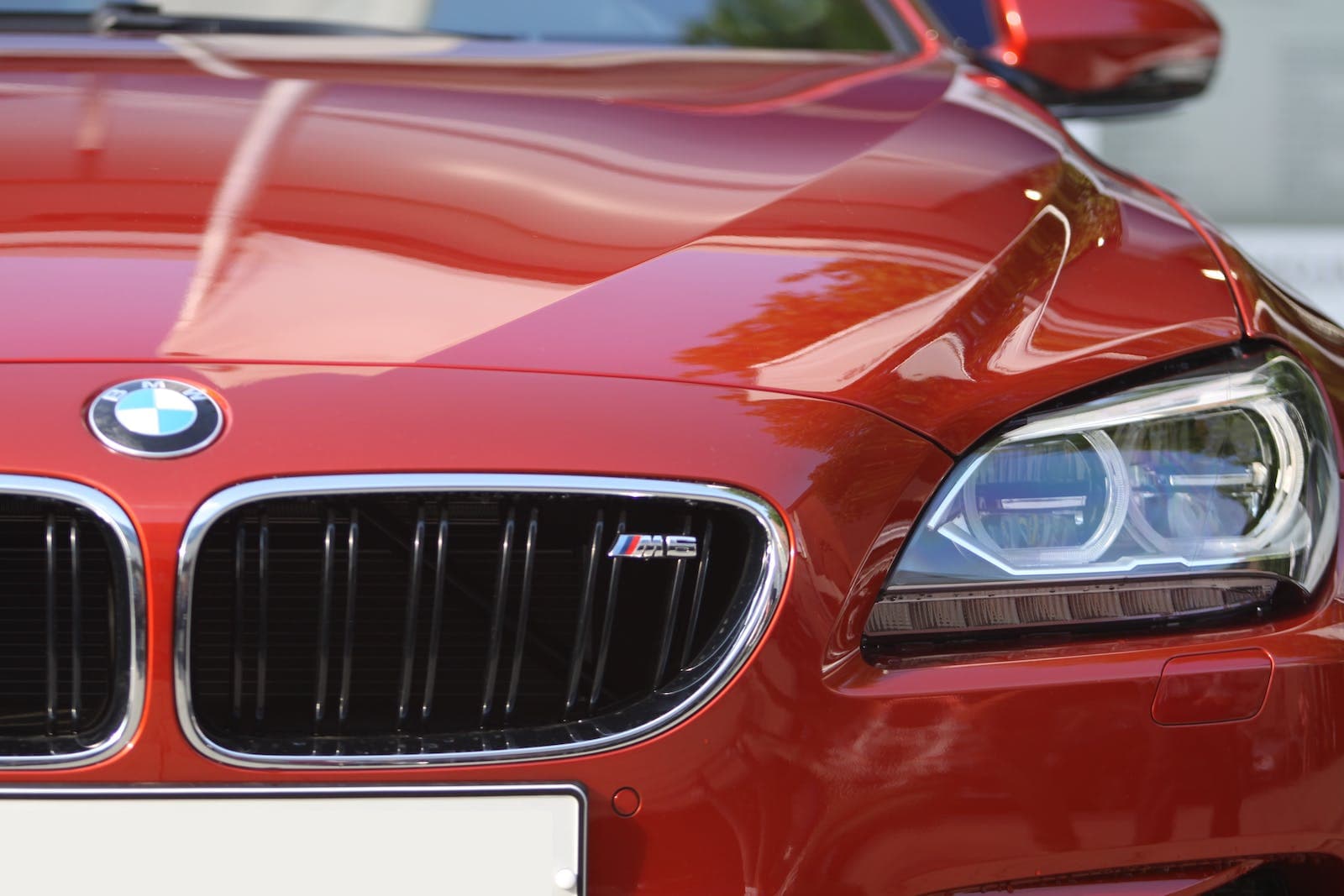
The Pros and Cons of Investing in a Mercedes Car
Luxury, safety, and status weighed against running costs
A Mercedes car has long stood for luxury, performance, and advanced technology, and for many people it still signals status and success. It is also a large purchase, with costs that keep coming well after you drive it home.
Below are points worth weighing on each side. A few of them pull in opposite directions, with resale value as the clearest example, so it helps to read both lists.
Pros
These are the reasons people often give for choosing a Mercedes.
Luxury and comfort
Comfort is a big part of why people buy a Mercedes. The cabins use high-quality materials, and the list of amenities tends to be long. Premium upholstery and advanced climate control are typical examples, and the overall aim is a first-class environment for the driver and passengers alike. How far this goes depends on the model and the options you pick.
Performance and engineering
Mercedes builds its cars to drive well. Powerful engines, responsive handling, and modern driving technology make most models feel quick and composed, whether you are cruising on the highway or working through city traffic. If you enjoy driving, that counts for a lot. How thrilling it actually feels depends largely on the engine and model you choose.
Advanced safety features
Mercedes-Benz puts a lot of weight on safety. Its cars come with intelligent driver assistance systems and strong body structures meant to protect everyone inside. Two examples are collision prevention assist, which is designed to help avoid a crash, and active lane-keeping assist, which helps keep the car in its lane. For many buyers, those systems give real peace of mind on the road.
Advanced technology
On technology, Mercedes usually sits near the front of the car industry. The infotainment systems are advanced, the controls are designed to be intuitive, and there are plenty of connectivity options. Navigation, voice control, and smartphone integration make daily driving more convenient and keep passengers entertained on longer trips. The same technology shows up again among the cons, because not everyone finds it easy.
Prestige and status
A Mercedes still says something about its owner. The brand has a long history and a reputation for quality that make it one of the best-known luxury marques. For many drivers the car signals success, sophistication, and an eye for quality, which makes it a coveted choice. Whether you care about that is personal, but it is part of what you pay for.
Customization options
Mercedes gives buyers a wide range of ways to personalize a car. You can choose from various interior trims, upholstery materials, and exterior colors, so the finished car reflects your own taste and preferences. That level of choice helps set the brand apart from many other manufacturers, and the result can feel close to a bespoke car.
Resale value
Mercedes cars often hold their value reasonably well, and sometimes better than other luxury brands. The reputation for quality, performance, and luxury keeps used models in demand. When you sell or trade in later, that can return a useful part of what you paid. It depends on the model, though, and it sits uneasily with the depreciation point further down.
Missing a pro?
Let us know which pro you are missing!
Cons
Most of the drawbacks come down to money. A couple are about how the car feels to use and how it looks to others.
High purchase and maintenance costs
A Mercedes usually costs more to buy than many other cars, and the premium carries on after the sale. Servicing uses premium parts and often needs specialized expertise, so regular maintenance and repairs tend to cost more than they would on a mainstream car. Before deciding whether you can afford one, add these running costs to the purchase price and look at the total over the years you plan to keep it.
Depreciation
Like most luxury cars, a Mercedes can lose value faster than a mass-market car. The brand's reputation for quality and performance softens this to some degree, but a large share of the purchase price may still be gone by the time you sell. So the resale picture is mixed: fairly strong compared with some luxury rivals, weaker compared with ordinary non-luxury cars.
Complex features and controls
All that technology has a downside. The sheer number of controls, infotainment menus, and driver assistance settings can feel overwhelming. There is a learning curve, and for some drivers getting familiar with everything is an ongoing process that lasts well beyond the first weeks. If you prefer a simple, intuitive car, this can feel more like a chore than a benefit.
A reputation for costly upkeep
Mercedes has a reputation for being expensive to keep, and that reputation alone puts some buyers off. Even before any bill arrives, worry about future costs and the need for specialized servicing pushes people toward cheaper brands that seem less risky to own. Whether the fear is justified for a particular model is a separate question, but the perception still shapes purchase decisions.
Brand image and perception
The prestige that attracts some buyers makes others uneasy. Driving a Mercedes can bring expectations and assumptions from the people around you. Some owners feel pressure to live up to a certain image, or worry that peers or passers-by will judge them for the car they drive. If that would bother you, it is worth taking seriously before you buy.
High repair costs
Repairs can get expensive, especially as the car gets older. The advanced technology and complex engineering that make a Mercedes appealing also tend to make repairs and maintenance more expensive than on non-luxury brands. If you plan to keep one for a long time, it makes sense to set money aside for higher servicing costs over the car's lifetime.
Limited affordability
For many people, a Mercedes is simply out of budget. The luxury and prestige come with a higher price tag, and that puts the cars beyond the reach of buyers with tighter finances. The exclusivity some owners value is exactly what keeps others out, even when they would like the comfort, safety, and technology the brand offers.
Missing a con?
Let us know which con you are missing!
Conclusion
The deciding question is usually money over time. If the purchase price, regular servicing, and the occasional large repair fit comfortably in your budget, and you enjoy the technology, a Mercedes has a lot to offer. If you would be stretching to afford one, or you want a car you can simply get in and drive, a more modest brand will probably suit you better.
What do you think?
Do you think the pros outweigh the cons?