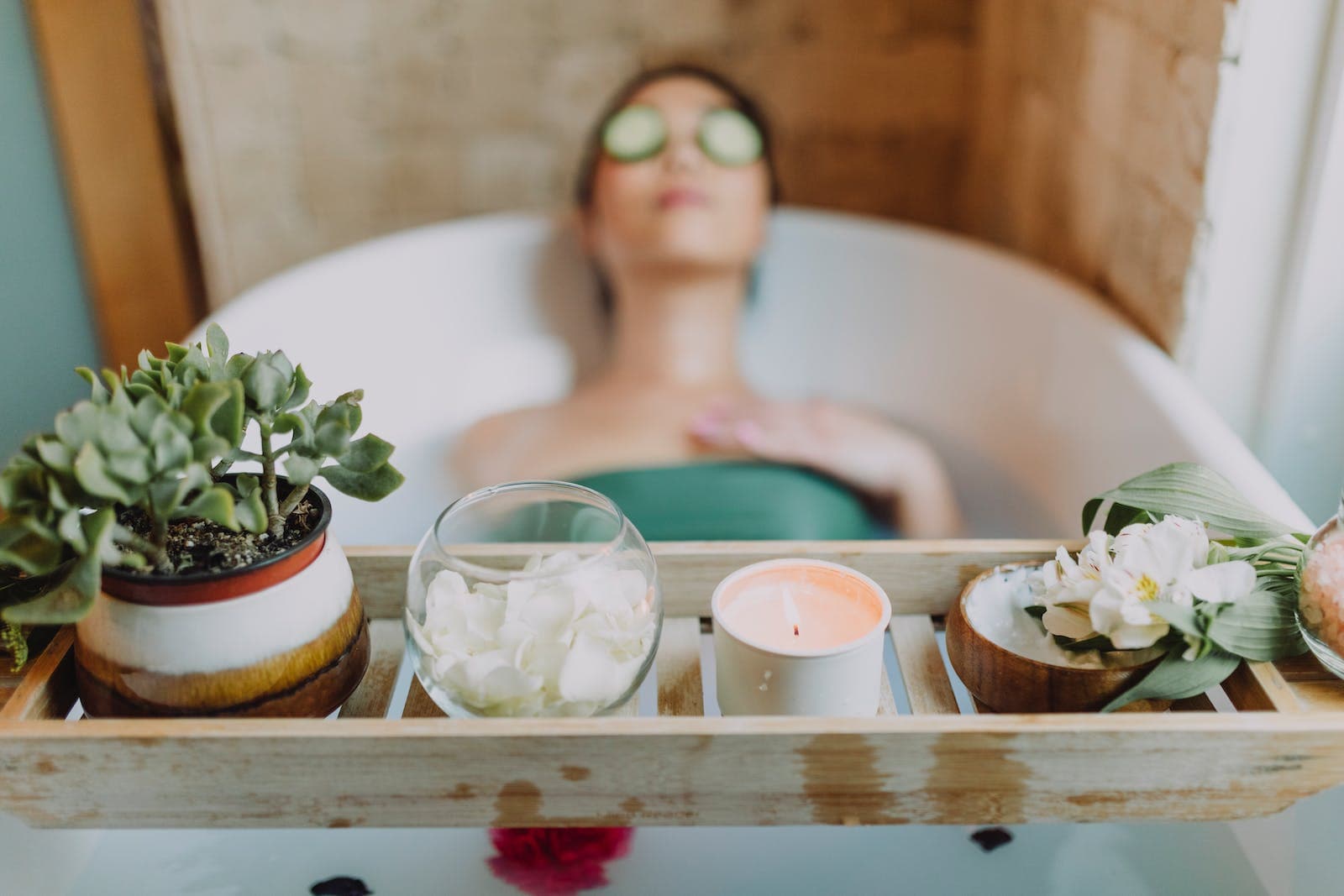
The Ultimate Guide to Spa Hotels: Pros and Cons
Weighing rest and pampering against cost and crowds
A spa hotel combines a place to stay with massages, saunas, pools, and wellness programs. For many travelers, that mix of rest and pampering is the whole point of the trip. It does come with drawbacks, though, and some of them only show up once you've arrived.
Below are the main points on each side. How much each one weighs depends on your budget, when you travel, and what you want from a few days away.
Pros
Most of the advantages come down to rest, comfort, and attention to your well-being.
Relaxation and rejuvenation
Relaxation is the main reason most people book a spa hotel, and the whole place is built around it. You can book a soothing massage or a facial, spend an afternoon moving between the sauna and the steam room, and join wellness activities meant to leave both body and mind rested. For a few days, the hustle of daily life is somewhere else.
Wellness for body and mind
Many spa hotels look beyond the treatment room. Yoga and meditation sessions, wellness workshops, and healthy meals are often part of the offer, aimed at how you feel physically, mentally, and emotionally. The idea is that you go home recharged and a little more balanced. How well that works probably depends on how much of the program you actually take part in.
Luxurious amenities and service
Spa hotels tend to sit at the upper end of the market, and it shows. Heated pools, jacuzzis, and private cabanas are common. The service usually matches the setting, with attentive staff, personal attention, and experiences adjusted to your preferences. If you enjoy being looked after, this is where a spa hotel earns its reputation for comfort and exclusivity.
A break from everyday stress
Stress is easier to leave behind in a quiet place. A spa hotel offers calm surroundings and a daily rhythm centered on well-being, which gives you room to step away from the pressures of ordinary life for a while. The stay can be a chance to unwind and recalibrate in peace before you go back to work and home.
Personalized wellness programs
Some spa hotels offer wellness programs built around your own needs and goals. That might mean a fitness plan, advice on nutrition, or a series of treatments, with guidance and support from experienced professionals along the way. For guests who want more than a few days of rest, a personal program gives the stay a clear purpose and some help in working toward it.
Exclusive access to spa facilities
Guests often get exclusive access to the hotel's premium spa facilities, such as pools, saunas, therapeutic baths, and relaxation lounges. With fewer people sharing them, these spaces tend to feel more intimate and quiet. That makes them a good setting for treatments, and for simply doing nothing for an afternoon, well away from the bustle of regular life.
Missing a pro?
Let us know which pro you are missing!
Cons
The downsides are mostly practical, with money and timing at the top of the list.
- +1
High costs
Luxury costs money, and spa hotels are rarely cheap. The room rate is only the start: treatments and extra services are often charged on top, so the total for a stay can add up quickly. If you travel on a tight budget, the final bill may go well past what you meant to spend. Work out the full cost, including the treatments you actually want, before you book.
- +1
Reliance on outside providers
Not every spa hotel runs its own treatments. Some rely on third-party providers for specialized services, and that can cause problems: a treatment may not be available when you want it, quality can vary, and the offer may change without much notice. Guests feel those gaps directly. It may be worth asking how a hotel staffs its spa before you book.
Crowded facilities and less privacy
In peak season and on popular travel dates, spa hotels can fill up. The pools, relaxation lounges, and wellness areas then get busy, and a quiet swim or a free lounger is no longer a given. Privacy suffers too. All of this cuts into the calm, exclusive atmosphere that most guests came for in the first place.
Too much commercialization
Some spa hotels seem more interested in selling than in helping you relax. Staff may keep pushing extra treatments, packages, and products, and that constant upselling can wear away the sense of calm and mindfulness guests expect. It doesn't happen everywhere. Where it does, the wellness experience feels a lot less immersive, and some guests end up feeling like customers more than guests.
Limited availability
Popular spa hotels can be hard to book, especially in peak season. Demand is high and rooms are limited, so your preferred dates or room type may already be gone. Sometimes the only option left is a different hotel from the one you had in mind, with different amenities. Booking early helps, although it is no guarantee.
Distance from the city
Many spa hotels are designed for seclusion, and that often means a remote location. For a quiet weekend, that's exactly what you want. If you like having city amenities, restaurants, and entertainment close by, though, the setting may feel limiting, and getting to any of them can take real effort.
Missing a con?
Let us know which con you are missing!
Conclusion
If your budget allows it and you can travel outside peak season, a spa hotel will probably give you what it promises. If you can only go during busy periods, or you want city life within reach, check the total cost, the location, and who runs the treatments before you commit.
What do you think?
Do you think the pros outweigh the cons?
You might also like 👇