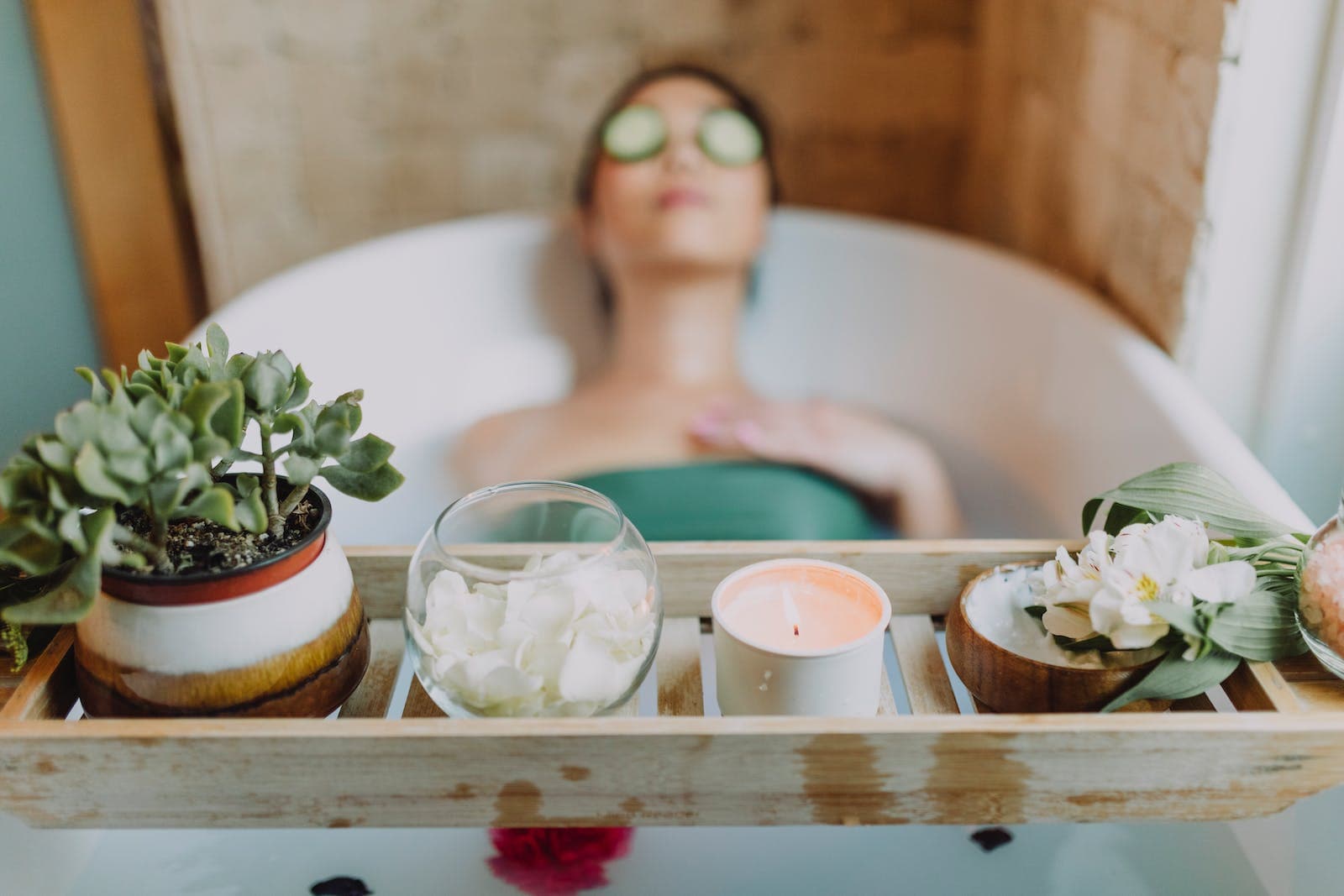
The Ultimate Guide to Bubble Baths
What a soak gives you and what it can cost
A bubble bath is about as familiar a form of self-care as there is. For many people, a tub full of foam stands for an evening of pampering, and that reputation is mostly deserved.
Still, the products that make the bubbles are not always gentle. Whether you already soak often or are thinking of starting, the effects on your body run in both directions.
Pros
Most of the benefits come from warm water and time set aside to rest.
Stress relief
Warm water and a pleasant scent can make the bathroom feel calm, and for many people that is enough to release some tension. A soak is also time deliberately set aside for doing very little. Taken regularly, it can work as a simple way to manage stress, one that asks for not much more than a tub and some hot water.
Better sleep
A warm bath tends to calm both mind and body, and that relaxation may carry over into the night. Some people find they fall asleep more easily after a soak before bed. For anyone dealing with insomnia or restless nights, it is a gentle and natural thing to try, though it probably won't solve a serious sleep problem on its own.
Muscle relaxation
Tired muscles usually respond well to warm water. Whether the ache comes from exercise or from a long day at work, lying in the bath gives the body a chance to loosen up and lets built-up muscle tension ease. Athletes and people with physically demanding jobs are likely to notice the difference most.
Improved circulation
Warm water encourages blood flow, and the light movement of the bubbles against the skin may add a mild massaging effect. Better circulation helps carry oxygen to the body's tissues and could support cardiovascular health over time. A bath is a modest contribution to that, though, and no replacement for anything else you do for your heart.
Better mood
Many people come out of a bubble bath in a noticeably better mood. The quiet and the sense of calm can take the edge off anxiety and stress, which often leaves room for a more positive outlook and steadier emotions.
Missing a pro?
Let us know which pro you are missing!
Cons
The drawbacks mostly trace back to what is in the bottle, plus one practical hazard.
Skin irritation
Bubble bath products contain fragrances and other additives that can irritate the skin. People with sensitive skin or an existing skin condition run the highest risk. Dryness and itching are the usual complaints. In some people, the ingredients go further and trigger an allergic reaction.
Urinary tract infections
The substances that create the bubbles may disturb the natural balance of bacteria in the urinary tract. With prolonged exposure, that could raise the risk of urinary tract infections (UTIs) in some people. Young children seem to be the most vulnerable, so parents may want to keep their bubble baths short or occasional.
Vaginal irritation
Women face a related risk. The same chemicals linked to UTIs can upset the vaginal pH balance, which may lead to discomfort or an infection. If you are prone to that kind of irritation, it makes sense to pay attention to how your body reacts in the days after a bubble bath and to adjust if it keeps happening.
Chemical sensitivities
Some people react badly to the chemicals, fragrances, or dyes in bubble bath products, and the effects are not limited to the skin. Reactions can include skin irritation, breathing problems, or headaches. If any of that sounds familiar, a hypoallergenic product is the safer choice.
Slipping and falling
Bubble bath leaves the tub slippery. That raises the chance of an accidental fall, and a fall in a bathtub can easily cause an injury. A non-slip mat or a handrail reduces the hazard considerably, and it helps to take your time getting in and out.
Missing a con?
Let us know which con you are missing!
Conclusion
If you have sensitive skin, are prone to UTIs or vaginal irritation, or are running a bath for a young child, the risks deserve extra weight. A hypoallergenic product and a shorter soak are a reasonable middle ground, and a non-slip mat costs little. For most other people, an occasional bubble bath comes down to how much they enjoy it.
What do you think?
Do you think the pros outweigh the cons?