The Pros and Cons of Having a Small Garden
Less work and cost, less room for plants and guests
A small garden can be a cozy outdoor retreat. The limited space also limits what you can grow, how you lay it out, and how many people you can have over.
This applies whether you live in a city or just have a small yard. The points below cover the main things to weigh, though your own site and plans will add others.
Pros
Most of the advantages come from the size itself: less to look after and less to pay for.
Low maintenance
With fewer plants and less ground to cover, a small garden simply asks for less work. That makes it easier to keep up with if you're busy. More of the time you do spend outside is left for enjoying the place, which is probably why you wanted a garden in the first place.
Cozy atmosphere
A small garden tends to feel enclosed and intimate. That works well for relaxing on your own or having a few people over. Because the space is limited, it's easier to make the whole thing charming and inviting, until it starts to feel like an extra room of the house.
Creative design possibilities
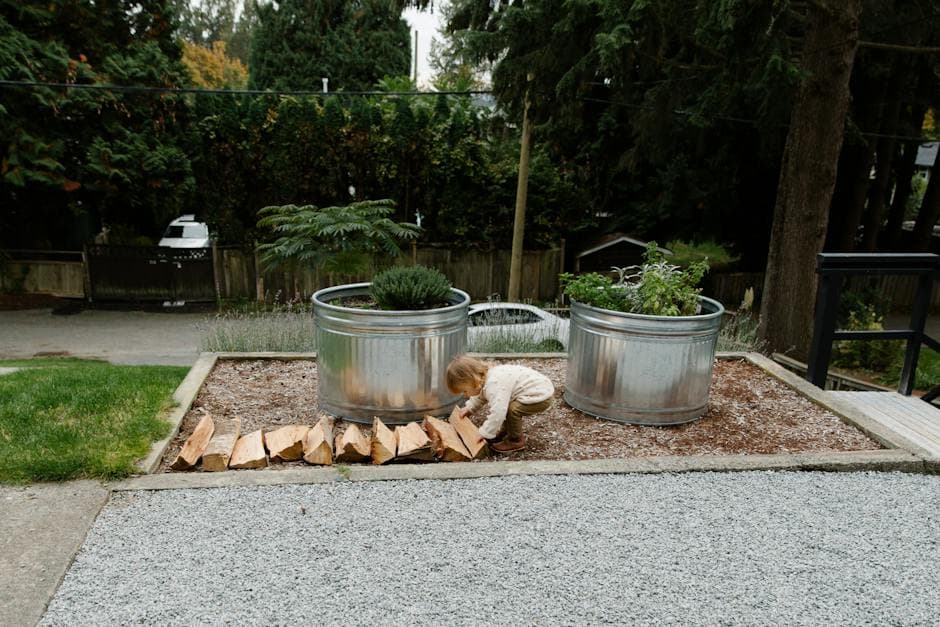
Limited space often pushes people to be inventive. Vertical gardens, container gardening, and unusual layouts all make more sense when you can't spread out, and a compact plot is a good place to try ideas you might not bother with in a larger yard.
Lower cost
Less ground usually means lower running costs. You use less water and buy fewer plant care products, so a small garden is generally easier on the budget. How much you save still depends on what you plant and how you look after it.
Environmental impact
Even a small garden adds a patch of green to an urban or suburban area. It can support some local biodiversity, contribute a little to cleaner air, and do its part for the local ecosystem. The effect of a single plot is modest, so it helps to keep expectations realistic.
Food production
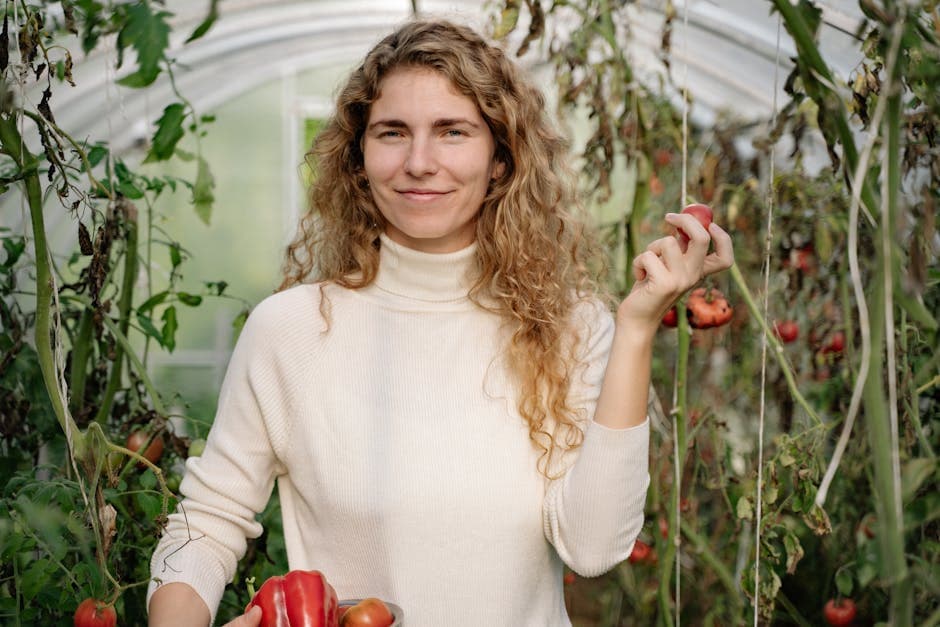
You can grow a fair amount in a small space: herbs, vegetables, and some fruit. It probably won't make you self-sufficient, but it moves you in that direction. Because you decide what goes on the plants, you can eat fresh produce grown without harmful pesticides or chemicals.
Therapeutic benefits
Looking after plants can do your mind good. For many people it's relaxing and a way to work off stress, and there's a real sense of accomplishment when something you planted does well. Over time, that can add to a happier, more balanced mood.
Missing a pro?
Let us know which pro you are missing!
Cons
The drawbacks mostly come down to room, for plants, for people, and for the layout you have in mind.
Limited plant variety
There's only so much room, so a wide range of plants is hard to fit in. Large or sprawling species are usually the first to be ruled out. If you want to grow an extensive collection of different flora, a small garden will probably feel limiting before long.
Space constraints
Space limits what you can do outside and how freely you can arrange things. Changing the layout tends to cost room somewhere else. And if you have ambitious plans for big gatherings or outdoor events, there may simply not be enough space to hold them.
Maintenance challenges
The light workload has a flip side. When everything sits close together, overcrowding, pests, and plant diseases can be harder to deal with, because there's little room to space plants out or move them. Fixing those problems may take more intensive work than the size of the garden suggests.
Reduced privacy
It depends a lot on the location, but small gardens can offer less privacy than bigger outdoor spaces. There may be no corner that feels secluded. That affects how comfortable you are out there, and possibly how much you end up using the garden at all.
Design limitations
Whatever you plan has to fit the available space, and that rules some things out. Certain landscaping features or outdoor amenities won't fit, however clever the layout. The design options are narrower from the start, which you notice most if you have a specific feature in mind.
Limited entertainment space
Hosting is harder with a small garden. Large gatherings are difficult to fit, and there's often no room for recreational equipment. For people who like having guests over or spending active time outdoors, this can be a real drawback that no amount of rearranging fully solves.
Vulnerability to weather conditions
Small gardens can be quite exposed to bad weather, such as strong winds or too much sun, and those conditions can damage plants or slow their growth. How much this matters depends on where the garden is. You may need extra protective measures and more careful upkeep.
Missing a con?
Let us know which con you are missing!
Conclusion
If you mostly want a quiet place to sit and a few herbs or vegetables, a small garden will likely cover it without much work. If you picture large gatherings, sprawling plants, or a secluded corner, look closely at the plot before you commit, and plan on containers and vertical growing to get more out of it.
What do you think?
Do you think the pros outweigh the cons?