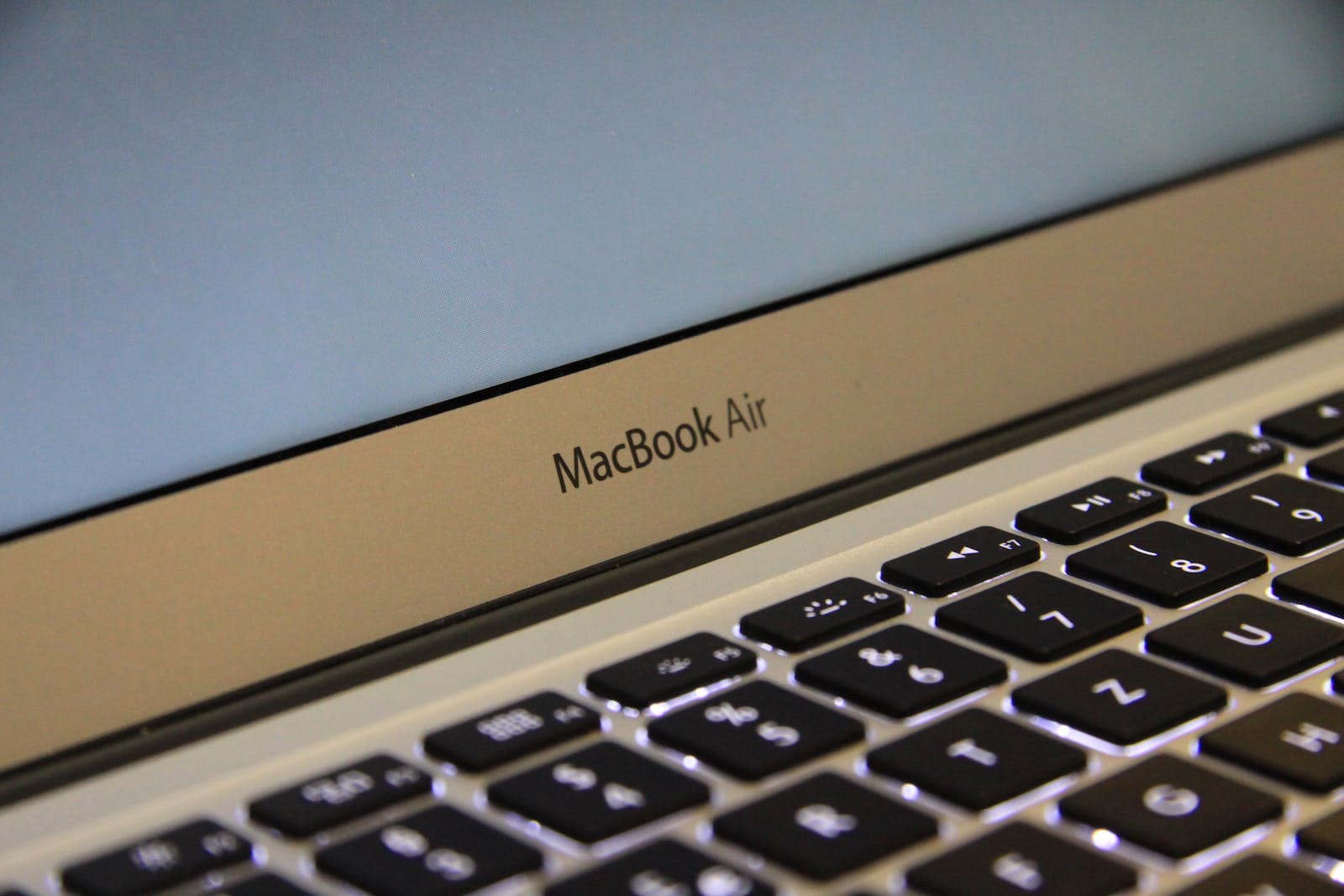
Unveiling the Pros and Cons of the MacBook Air
Light and quiet, but limited in ports, storage, and upgrades
The MacBook Air is Apple's lightweight laptop, and plenty of buyers pick it for its slim design and quick performance. It also has limits, and some of them matter a lot more to certain people than to others.
Below are the main points in its favor and against it. This isn't a complete list. Which points weigh heaviest depends on how you work: someone who writes on trains has different priorities from someone who edits video all afternoon.
Pros
Most of the strengths come down to portability and day-to-day comfort.
Very portable
The MacBook Air weighs about 2.7 pounds and is less than half an inch thick. You barely notice it in a bag. If you travel often, or you're a student walking from one class to the next with the laptop under your arm, that low weight matters more than it seems on a spec sheet, because you feel it every single day and not just on the day you buy it.
Long battery life
Apple quotes up to 15 hours of battery life. Real results depend on what you're doing, but on a normal working day you probably won't have to go looking for a power outlet. For people with long, busy schedules away from a desk, that reliability is a large part of the appeal, since a laptop that runs flat by mid-afternoon is of little use to them.
Quick performance
Thin laptops often feel sluggish. This one doesn't. Apple's M1 chip makes it respond quickly, and it handles several open apps at once without stuttering. It also copes with heavier work such as video editing and resource-hungry applications, and for most users the experience stays smooth. That holds best for shorter sessions; the section on heat below explains where it starts to slip.
Sharp Retina display
The Retina display shows rich colors and fine detail, and it includes Apple's True Tone technology. That pays off whether you're editing photos, watching films, or working on creative projects. If image quality ranks high on your list of requirements, the screen is one of the stronger reasons to choose this laptop over others in its class.
Built-in security
Touch ID lets you unlock the laptop with a fingerprint, and Apple's dedicated security hardware helps protect your data and privacy. No laptop is immune to every threat. Still, these features should give most users some peace of mind during everyday computing, without asking them to set up much themselves.
Recycled materials
Apple makes the casing from recycled aluminum and uses 100% recycled tin in the logic board. If you try to buy products with a smaller environmental footprint, that counts in the laptop's favor. It won't matter to every buyer, but for environmentally minded ones it can tip the balance.
Completely silent
There's no fan, so the MacBook Air runs without making a sound. You can use it in a library, an office, or a quiet study room and nobody will hear it working. The same fanless design is behind the heat limits described further down.
Missing a pro?
Let us know which pro you are missing!
Cons
The weaknesses mostly show up when you push the laptop hard, plug a lot into it, or want to change it later.
Few ports
The minimalist design carries over to the connections. You get a small number of USB-C ports and that's about it, which can be awkward if you use peripherals and accessories with different connectors. In that case you'll probably end up buying adapters or a hub to plug everything in, which adds to the cost.
No upgrades later
What you buy is what you keep. RAM and storage are usually fixed at the time of purchase, so unlike some other laptops, you can't add more later on. If you like to extend a computer's life by upgrading parts over time, this is a real drawback, and it means choosing your configuration carefully at the start.
Heat limits under heavy load
Because the case is so thin, the MacBook Air can struggle with heat during long, intensive tasks. Under a sustained heavy workload the processor may throttle, which means it lowers its own speed to keep temperatures under control. Short jobs are less likely to trigger this. If you regularly do 3D rendering or edit video for hours at a stretch, though, expect performance to drop as the session goes on, and think about how much that slowdown would bother you.
Price compared with performance
Performance is good, but you pay for it. Some buyers will find Windows laptops with similar specifications for noticeably less money, and if your budget is tight, that gap can be hard to justify. Whether the higher price is worth it probably depends on how much you value the other strengths listed here, since raw specs alone may not make the case.
Weak for serious gaming
Gamers should look closely before buying. The integrated graphics in the M1 chip are respectable, but they probably won't match a dedicated gaming laptop or a desktop PC. Lighter or occasional gaming may be fine. If heavy gaming is one of the main reasons you want a new computer, you'll likely find the MacBook Air underpowered for what you have in mind.
Limited storage
The SSD is fast, but there isn't a lot of it. Even the largest available configuration may not be enough if you keep big multimedia libraries or work with large files on a regular basis. You may then need external drives to hold everything, which works but adds one more thing to carry and keep track of.
Few customization options
Compared with many other laptops, the MacBook Air offers fewer ways to configure or personalize it. For a lot of buyers the standard design is exactly what they want. If you're after a computer tailored closely to your own preferences, though, the narrow range of options may feel restrictive.
Missing a con?
Let us know which con you are missing!
Conclusion
If you mainly write, browse, study, and watch films, and you carry your laptop around a lot, the drawbacks probably won't affect you much. If you render, game, or need many ports and lots of storage, try one with your own workload first, or add the cost of adapters, external drives, and a higher configuration to the price before you compare it with other laptops.
What do you think?
Do you think the pros outweigh the cons?