The Pros and Cons of Using an iPhone
What Apple's phone does well and where it holds you back
Millions of people rely on an iPhone every day. Apple's phone has clear strengths and some real limits, and which of them weighs heavier depends on how you use a phone and what else you own.
On one side are the design, the easy interface, the App Store, and the way it works with other Apple products. On the other are the cost, the restrictions on customization, and Apple's proprietary software. Below are the main points on each side, though your own situation may add others.
Pros
These are the reasons many owners stick with the iPhone from one model to the next.
- +1
High-quality camera
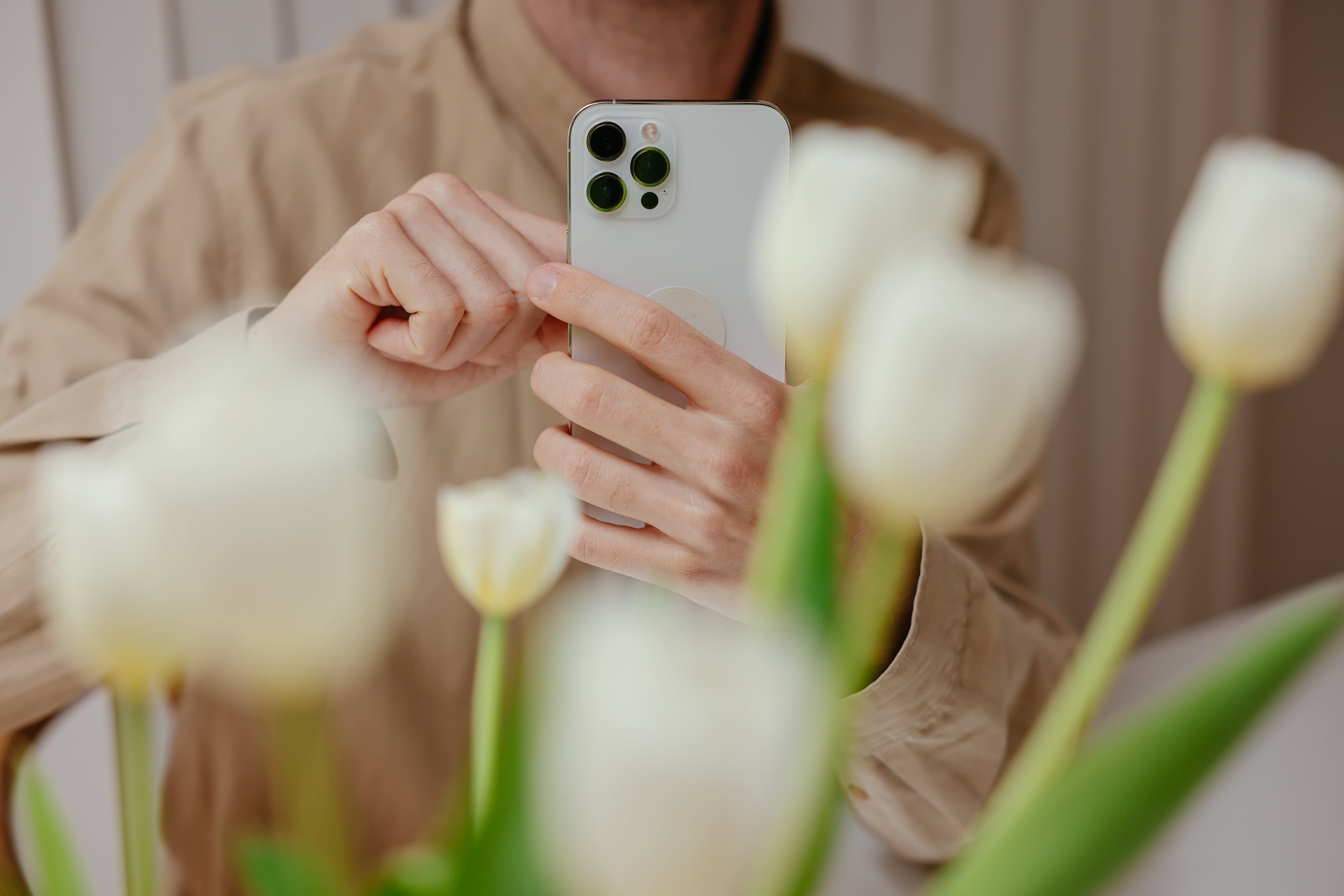
The iPhone camera is usually counted among the best in smartphones. It takes high-resolution photos, offers advanced photography features, and passes images smoothly to social media and editing apps. Whether you're a photography enthusiast or simply want good pictures of everyday moments, the camera is a solid reason to choose the phone.
Integration with the Apple ecosystem
If you already own other Apple products, this is probably the strongest argument for an iPhone. It works closely with MacBooks and Apple Watches, so sharing content between them is easy, iCloud services are built in, and your data stays in sync across all your devices. The more Apple hardware you use, the more convenient this becomes; with only a phone, you'll notice it much less.
Rich app ecosystem and software support
The App Store holds a huge range of good apps, from productivity tools to entertainment and games, and they add a lot to what the phone can do. Apple also supports its phones with software for a long time, so older iPhone models keep receiving regular updates and security patches. That matters both for how long the device stays usable and for keeping your data safe.
Privacy and security features
Apple has made privacy one of the iPhone's main selling points. The phone combines Face ID or Touch ID with the secure enclave, and every app has to pass a strict review before it appears in the App Store. With digital threats on the rise, that focus on protecting user data has earned Apple a fair amount of trust among its users.
Easy user experience
iOS is easy to learn. Apple puts a lot of care into its interface design, and you can see it in the intuitive gestures, the smooth performance, and a phone that sits comfortably in the hand. All of this makes everyday tasks simpler and, for most people, pleasant to do.
Strong resale value and after-sales support
iPhones tend to hold their value well, which reflects how popular they remain. When you sell your old model, the money can cover a good part of an upgrade, so moving to a newer phone costs less than the sticker price suggests. After-sales support is strong too: you can visit an Apple Store, use an authorized service provider, or buy AppleCare. That helps the phone last longer and keeps most owners satisfied.
Face ID
Face ID lets you get into your phone, pay for purchases, and sign in to apps and services without typing a code. It relies on a 3D depth-sensing camera, which makes it secure and accurate. Many users find it faster and more reliable than a traditional fingerprint sensor, although that partly comes down to personal preference.
Long-term software support
Apple keeps updating its phones for years, with security patches, performance improvements, and new features. Because of that, even an older iPhone stays compatible with new apps and services for a long time and remains a useful, safe phone well after its launch.
- -1
Premium build quality and design
Apple has a reputation for attention to detail, and the iPhone reflects it. The construction is solid. The materials are of high quality, and the design is sleek and minimal, which gives the phone a sense of luxury that appeals to many buyers. A consistent design language across the whole device adds to its appeal as a premium smartphone.
Missing a pro?
Let us know which pro you are missing!
Cons
Before you buy, it helps to know where the iPhone gets in the way.
- +1
Dependence on the Apple ecosystem
The integration that makes the iPhone attractive to Apple users can work against everyone else. If the rest of your devices come from other makers, or you need things to work across platforms, you'll run into more friction. Apple leans heavily on its own services, apps, and accessories, which can be awkward for people who prefer a more open and flexible setup.
- +1
Battery life and charging
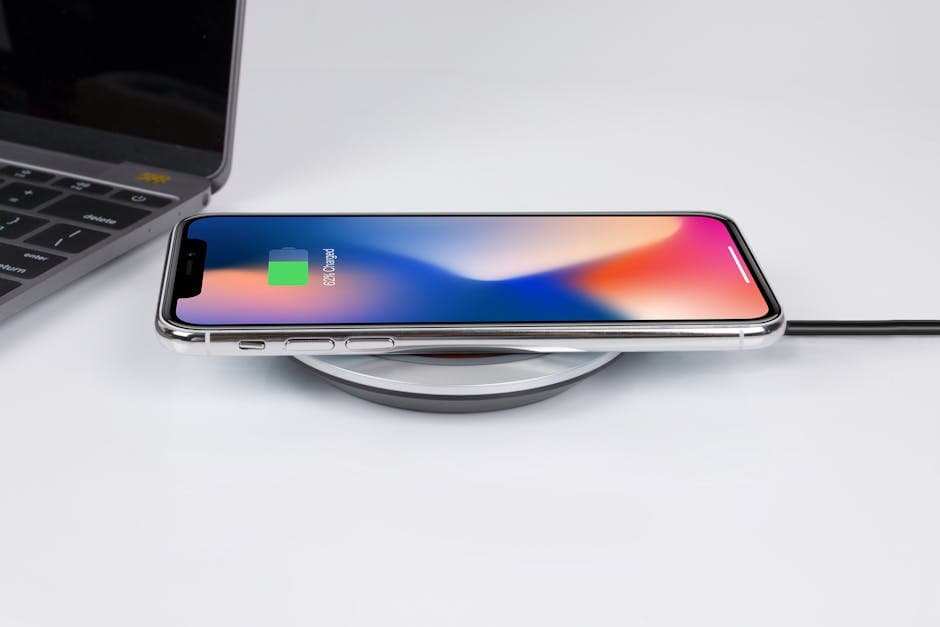
Battery life has improved with each generation. Even so, heavy users may still find it short, especially if they're used to phones that last longer on a charge. Charging is a second issue: Apple's proprietary connectors and fast-charging protocols can limit the choice of affordable third-party accessories and make it harder to mix equipment from different brands.
Limited customization
iOS is restrictive about customization, and that is the price you pay for its security and smooth experience. Options such as system-wide theming, third-party app stores, or choosing your own default apps are limited or missing. If you like to set up a phone exactly your way, you may find the iPhone confining.
Closed-source operating system
Because Apple keeps tight control over iOS, there's little room for tinkering, modding, or installing alternative software, all of which is easier on more open platforms. Enthusiasts and tech-savvy users who want real control over their devices may find that reason enough to choose something else.
Limited file management and transfer
Managing files is harder on an iPhone than on most Android phones. The closed nature of iOS makes it awkward to move files between your devices or onto external storage, so you end up depending heavily on cloud services and specific apps for tasks that are more direct on other systems.
Restrictions on apps and customization
The App Store has plenty of good apps, but Apple's strict guidelines and approval process keep some software out, particularly niche or specialized tools. Customization is limited on the app side as well, which won't suit people who want a phone they can adapt to their own habits.
- -1
High price and cost of ownership
You pay for the quality and the features. An iPhone costs more than many Android phones, and the spending doesn't stop at the purchase. Accessories, repairs, and proprietary Lightning or MagSafe cables and chargers all add to the total cost of ownership. For anyone on a tight budget, that adds up to a substantial investment.
Missing a con?
Let us know which con you are missing!
Conclusion
If you already use a Mac or an Apple Watch and care about privacy and years of updates, the iPhone fits easily into your life. If you want to tinker, move files around freely, or keep costs down, an Android phone will probably suit you better.
What do you think?
Do you think the pros outweigh the cons?