The Pros and Cons of Yoga Clothes: What You Need to Know
Comfort and freedom of movement, weighed against cost
Yoga clothes have become standard kit for many people who practice, valued for comfort as much as for looks. They also have drawbacks. Whether you have practiced for years or are just starting, it helps to know what you get for the money before you buy.
The points below run from flexibility and breathability to cost and environmental impact.
Pros
Most of the advantages come down to how the clothes feel and move during practice.
Enhanced performance
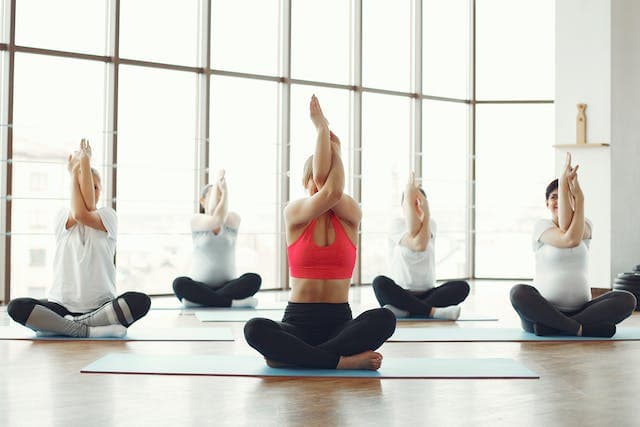
Yoga clothes are cut to give you the flexibility and freedom of movement the practice asks for. Stretchy fabric and a close fit let you move from one pose to the next without the clothes getting in the way, which can make your practice feel smoother and help you go a little deeper.
Comfort and support
Good yoga clothes are tailored to move with your body. They help prevent chafing and wick away sweat, so you stay comfortable and can keep your attention on the practice. Small irritations are surprisingly distracting during a session, and these clothes are made to avoid them.
Confidence boost
Clothing made for yoga can make you feel more confident, on the mat and off it. When something fits well and looks good, you tend to feel better about how you look, and that positive mood can carry over into the rest of your session.
Moisture-wicking fabric
Many yoga clothes use moisture-wicking fabrics that pull sweat away from your skin, so you stay drier and more comfortable from start to finish. This matters most in vigorous classes or hot yoga, where you sweat far more than in a slow, gentle session.
Versatility
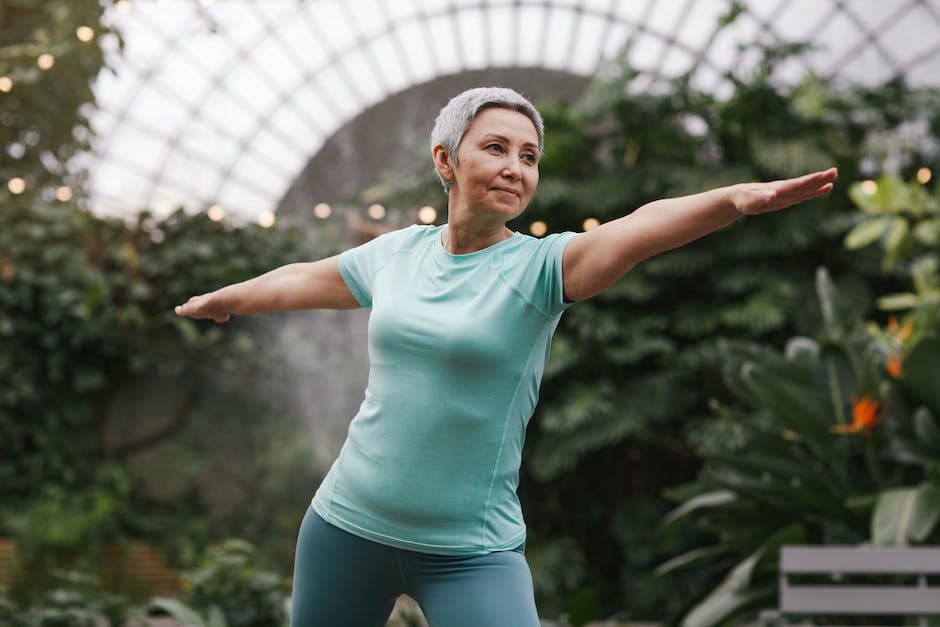
Yoga clothes are usually versatile enough to wear outside the studio. You can go straight from class to other activities or run errands without changing, which is convenient and saves time. If you practice before work or on the way home, skipping that change adds up.
Range of motion
Stretchy fabric gives you a broad range of motion, so nothing pulls or pinches when you reach the limit of a pose. Being able to move without restriction is a large part of what makes these clothes pleasant to practice in.
Missing a pro?
Let us know which pro you are missing!
Cons
The drawbacks are mostly about money, sustainability, and personal taste.
Cost
Price is probably the biggest drawback. Specialized yoga clothing often costs more than ordinary workout clothes, and for some practitioners that is enough to rule it out, or at least to limit how much of it they buy.
Environmental impact
Making and throwing away yoga clothes has an environmental cost. Many are made from synthetic materials, and manufacturing adds to their carbon footprint. If sustainability matters to you, it is worth checking what a piece is made of and thinking about how long you are likely to keep it.
Personal preference
Not everyone feels comfortable or confident in yoga-specific clothing. Personal style plays a big part in what people want to work out in, and some prefer to practice in regular athletic wear, which gives them more freedom in what they choose.
Durability
Some yoga clothes wear out quickly, especially with intense sessions and frequent washing. Fabric that thins or loses its shape has to be replaced sooner, and those extra purchases push up what you spend over the years.
Limited style options
For all their comfort and function, yoga clothes can come in a fairly narrow range of styles. If you like more variety in your activewear, the choice may feel limited, though that depends a lot on where you shop.
Missing a con?
Let us know which con you are missing!
Conclusion
If you practice often, especially hot or vigorous styles, the fit and sweat-wicking fabric are probably worth paying for. If you go now and then, or already own athletic wear you like, you can start with that and buy one or two pieces later once you know what you miss.
What do you think?
Do you think the pros outweigh the cons?
You might also like 👇