Glide into the Fun: Exploring the Pros and Cons of Ice Skating
Fitness and fun on the ice, set against falls and costs
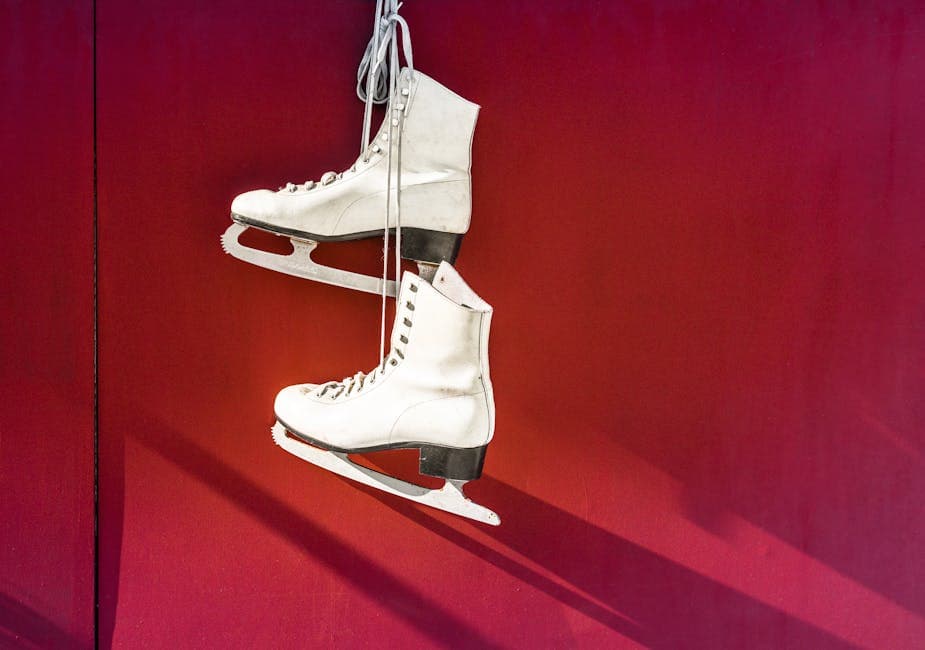
Ice skating draws people in with cold air, the sound of blades on ice, and the satisfaction of finally getting a new move right. It can do a lot for your fitness and your mood. It also has real drawbacks, from injuries to money, and this article sets out some of each so you can judge whether it fits your life.
Complete beginners and experienced skaters can both get something out of it. You can skate at an indoor rink or, when conditions allow, on a frozen lake, and many people treat it as something to do with friends or family. Like any sport, though, it comes with risks.
Pros
Most of the advantages have to do with health, though skating also offers social and personal benefits for people of different ages and levels.
A full-body workout
Ice skating works far more of the body than it seems to from the side of the rink. Your legs do the pushing, your core keeps you upright, and your arms help with balance and movement. Because you are constantly correcting your balance on a slippery surface, the leg and abdominal muscles get stronger almost as a side effect. Skating is also aerobic, so it trains the heart and lungs at the same time. Go regularly and your endurance and general fitness will probably improve, which is why some people prefer it to a conventional workout routine that they would otherwise struggle to keep up.
Stress relief and a clearer head
For many people, skating is good for the mind. The repetitive rhythm of the strides, the fresh air, and the rush of gliding can take the edge off stress and lift your mood, probably helped by the endorphins that exercise releases. Learning technique also demands your full attention. While you concentrate on getting a movement right, there is little room left for whatever was bothering you, and that kind of focus has a lot in common with mindfulness. Plenty of skaters describe a session as a quiet break from everyday pressure. They come off the ice more relaxed.
A social activity
Skating is usually done with others, which makes it an easy way to spend time with friends and family. A session at the local rink or an afternoon on the ice at a winter festival gives you something to do together, and that shared fun tends to bring people closer. Group lessons and team classes add something extra, since you learn alongside people you did not know before and some of them become friends. Whether everyone is practising a new trick or just circling the rink, the atmosphere is generally supportive and relaxed.
Better coordination and flexibility
Moving with control on ice takes rhythm, balance, and coordination, so skating trains all of them. Skaters gradually learn to steer their bodies on a slippery surface, which builds agility and finer motor control. The more complex movements also ask for flexibility and keep joints and muscles moving through a wider range of motion. Over time, adapting to these demands gives you a better sense of where your body is and what it is doing. That awareness is useful in other sports and in ordinary daily movement.
Good for the heart
Skating counts as cardiovascular exercise. It raises your heart rate, gets the blood circulating, and builds endurance over time. Done regularly, like other aerobic exercise, it may help lower the risk of heart disease and support lung function. And for many people, gliding around a rink is simply a more pleasant way to look after their heart than exercise they have to force themselves through.
More confidence
Learning to skate is a long series of small wins. The first time you skate backwards, or finish a spin without falling out of it, you feel you have achieved something real. That sense of accomplishment builds confidence. For some people it carries over into other parts of life, improving how they see themselves and making them more willing to take on new challenges.
Something to do in winter
Skating suits the season. Many local rinks are open during the colder months, so it gives you a reason to get outside and enjoy winter. When the weather rules out a lot of other activities, a rink is somewhere to stay active and meet people.
Missing a pro?
Let us know which pro you are missing!
Cons
The downsides range from injuries to money and practical limits. Knowing them in advance makes it easier to prepare.
Risk of injury
The most obvious drawback is that you will fall. Beginners fall a lot, and experienced skaters still fall or collide with others, because accidents are part of the sport at every level. Sprains, fractures, and bruises are the usual results, mostly from losing balance or running into someone. Protective gear such as a helmet and pads reduces the risk. Just as important is knowing your skill level and staying within it, which matters more for safety than any piece of equipment.
The costs add up
At first glance skating looks like a cheap hobby, but the bills accumulate. You pay for rink admission and skate rental, and later perhaps for lessons and suitable clothing. Not every rink offers free access, and buying your own equipment gets expensive, especially if you want specialised skates or protective gear. For some people this is enough to stop them skating regularly. It is worth comparing the options before you commit, so you end up with something that fits your budget.
Not always accessible
Where you live makes a big difference. Many communities have no rink nearby, and those that do may only open it for limited hours. Outdoor skating adds the weather to the equation, because a lake or outdoor rink is not always frozen, and even when it is, the ice is not always safe. All of this makes regular practice hard, particularly in places where skating is only possible for part of the year. If you hope to skate often, that can be difficult to arrange.
Intimidating for beginners
Stepping onto the ice for the first time can be daunting, especially if you feel out of place or self-conscious with more experienced skaters around you. Fear of falling, or of looking clumsy while you struggle with technique, puts some people off before they even try. The basics are harder than they look. Many beginners do not know how to stop or turn properly, and that quickly leads to frustration. Good lessons and a patient, supportive setting help a lot, but for many people those first sessions remain a real barrier.
Specific gear and clothing
You cannot skate in whatever you happen to be wearing. You need skates, ideally some safety equipment, and clothing warm enough for freezing temperatures. Gathering all of that makes skating less convenient, and for some people it is a barrier in itself. It also gets in the way of spontaneous outings, since deciding to skate on the spur of the moment is hard without the right boots and clothes at hand.
Dependent on conditions
Outdoor skating in particular depends heavily on the weather. When temperatures fluctuate, the ice quality suffers, and sessions may be cancelled or the surface may become unsafe. That uncertainty is frustrating if you want to skate and an unusually warm spell, or poorly maintained ice, keeps you off it.
Fatigue and recovery
Skating is more tiring than it looks, especially if you have not built up stamina yet. Sore muscles after the first sessions are normal for beginners. If your body is not used to this kind of exertion, recovery may also take longer, which means you may have to skate less often until your endurance improves.
Missing a con?
Let us know which con you are missing!
Conclusion
If you have a rink within easy reach and room in your budget for admission, rental, or lessons, the main remaining question is how you feel about falling. Starting with lessons and protective gear reduces both the injury risk and the beginner nerves. If the nearest ice is far away or only open part of the year, skating probably works better as an occasional outing than as your regular exercise.
What do you think?
Do you think the pros outweigh the cons?