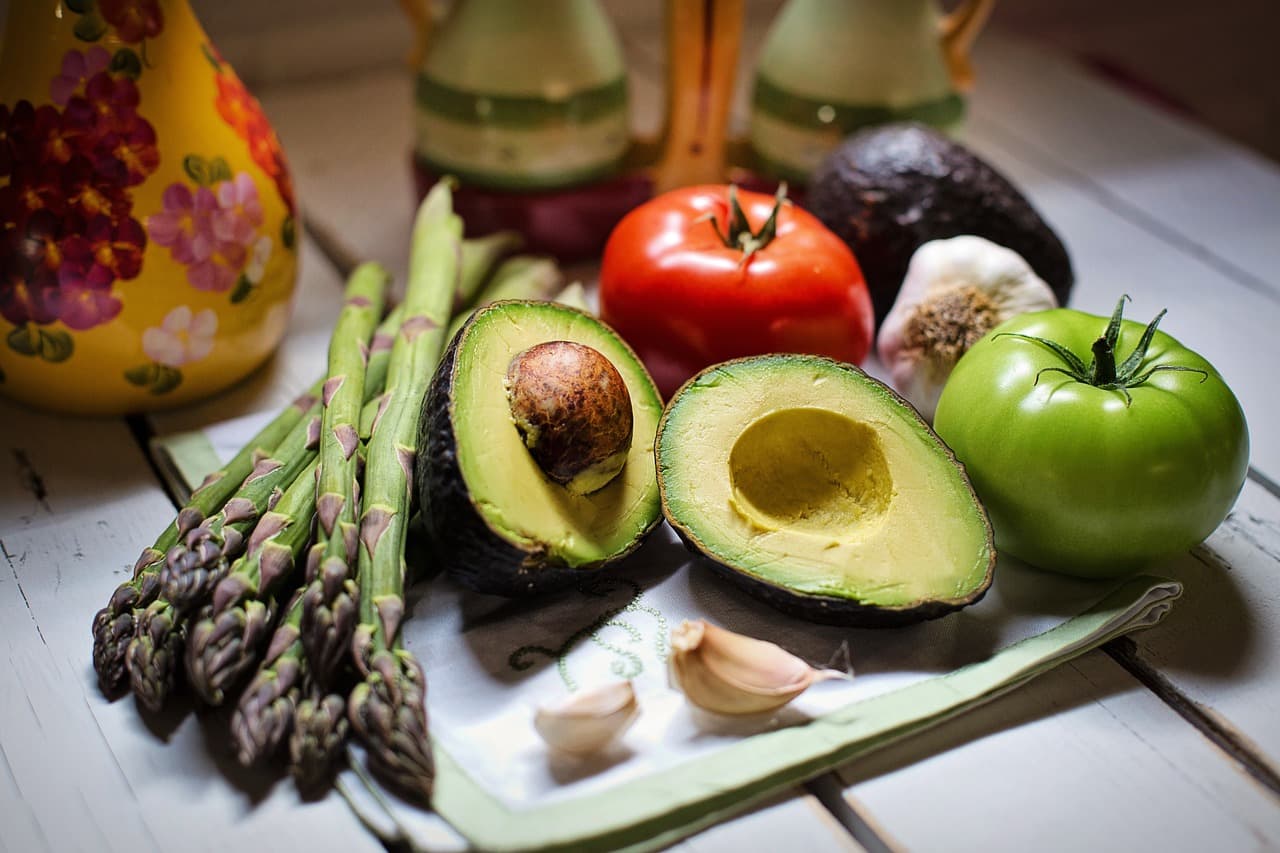
Discover the Surprising Truth About the Herbivore Lifestyle
What eating mostly plants gives you, and what it asks
A herbivore lifestyle puts plant foods at the center of every meal. It has grown popular in recent years with people who want a nutritious diet and a smaller ecological footprint. Whether it lives up to that reputation depends on how you go about it.
The appeal is easy to see. You eat fruits, vegetables, and grains, for your own health and for the planet's. The downsides get less attention, even though a change this big in how you eat rarely goes smoothly. Below are the main arguments on each side, so you can judge whether this way of eating fits your life.
Pros
Most of the advantages concern your body, from your heart to your gut. The environmental benefit comes on top of that.
Lower risk of heart disease
Your heart may be where a herbivore lifestyle does the most good. A diet rich in fruits, vegetables, whole grains, and legumes tends to lower cholesterol and blood pressure, and both of those numbers play a large part in the risk of cardiovascular disease. People who eat mostly plants usually show better heart health markers than omnivores, which should translate into fewer heart attacks and strokes, although results differ from person to person. The fiber in plant foods also helps digestion and keeps the gut healthy, which adds to the overall picture.
Easier weight management
If you want to lose weight or keep it stable, eating mostly plants can make that easier. Plant foods are typically lower in calories and higher in fiber than animal products. So you can eat fewer calories and still feel full and satisfied after a meal. Fruits, vegetables, and whole grains also supply plenty of nutrients without the extra calories that come with processed food. Many people on a herbivore diet lose weight without much forcing and see their body composition improve, though it depends on sticking to whole foods, which is where the effect comes from.
A smaller environmental footprint
Plant-based diets need far fewer resources than diets built around meat, including land, water, and energy. Fewer livestock also means lower greenhouse gas emissions, since livestock farming is a significant source of them. With concern about climate change and environmental damage growing, switching to plant-based eating is a practical way to shrink your own footprint. If enough people make the same choice, it helps leave a healthier planet and a more sustainable future for the generations that follow.
Better digestion through fiber
Eating mostly plants usually means eating a lot more fiber. That matters for digestion. Fiber keeps bowel movements regular, helps prevent constipation, and supports a healthy gut microbiome, the bacteria that live in your intestines. A fiber-rich diet may also help prevent some gastrointestinal disorders and improve how well your body absorbs nutrients. With fruits, vegetables, legumes, and whole grains filling most of the plate, many people on a herbivore diet find that their digestion and general gut health improve noticeably.
Possible benefits for mood and thinking
There are signs that a herbivore lifestyle is linked to better mental health and sharper cognitive function, although a link is not the same as proof. Plant foods supply antioxidants, vitamins, and minerals that support brain health and may help protect against cognitive decline as you age. Whole foods with a low glycemic index also keep blood sugar steadier through the day. Fewer spikes and dips in blood sugar usually mean fewer mood swings and a clearer head, which would make this an added benefit of eating mostly plants.
More steady energy
People who follow a herbivore lifestyle often say they have more energy and feel more alert throughout the day. Fruits, vegetables, nuts, and seeds are packed with essential nutrients and provide energy steadily, without the slump that tends to follow processed food or a heavy meal of animal products. These are mostly personal reports, so your own experience may differ. Still, if a diet of whole, nutrient-rich foods leaves your body better fueled, improved stamina and productivity in daily activities are a likely result.
Missing a pro?
Let us know which pro you are missing!
Cons
Some drawbacks are physical and some are social. Most can be managed, but it helps to know about them before you start.
Risk of nutrient deficiencies
The biggest concern is falling short on nutrients. Vitamin B12, iron, and omega-3 fatty acids are found mainly in animal products, and getting enough of them from plant sources alone can be difficult. Without careful planning, people on a herbivore diet may develop health problems caused by those deficiencies, sometimes without noticing for a while. The answer is mostly knowledge. Learn which nutrients need attention and which plant foods supply them, and where food alone isn't enough, add supplements so that your nutritional needs are actually met.
Friction with friends and family
Food is social, and that makes this lifestyle harder than it looks on paper. In a culture where meat sits at the center of most meals, being the one who eats differently can be frustrating and sometimes isolating, at social gatherings and at the family dinner table alike. Explaining your choices to friends and family brings its own friction. Some will misunderstand your reasons, and a few may judge you for them. Keeping those bonds intact while staying true to how you want to eat usually takes clear communication and some creativity in how you handle shared meals.
It can cost more than expected
Plant-based eating is often assumed to be cheap because it relies on grains and produce. That holds for some people and not for others. High-quality plant foods, organic products, and specialty items such as vegan alternatives can get expensive, especially if you live in an area where fresh produce is hard to come by. Most people will need to adjust their budget and plan their shopping carefully to avoid overspending. For some, the financial strain is enough to put them off the herbivore lifestyle altogether, which shows how much depends on access to affordable, nutritious food.
Less variety in the kitchen
Cooking can become less varied and less exciting. With plants as the main ingredients, it is hard to recreate the flavors and textures of traditional dishes that normally rely on meat or dairy, and the substitutes rarely taste quite the same. Some people gradually lose their enthusiasm for preparing food as a result. Once cooking starts to feel like a chore, keeping your diet varied and satisfying gets harder, and that makes it more tempting to fall back on the same few meals.
A hard adjustment period
The start is often the hardest part. Beyond changing what you eat, your palate has to adjust, and many people crave meat or dairy products along the way. Meal planning and cooking also take more time and effort than you may be used to, which can overwhelm anyone who has little experience with plant-based food. For a lot of people, this early phase is the real obstacle. Plenty of them give up during the first difficult stretch, before the habits have had a chance to settle in.
Fewer choices when eating out
Restaurants and events are where the practical side of the social problem shows up. When eating out or attending gatherings, a lack of herbivore-friendly dishes can keep you from fully taking part in the meal. More restaurants now offer plant-based options, which helps. You will still end up in places where there is little or nothing suitable to order, and those moments tend to be uncomfortable. If they happen often, they can make it harder to keep up your social connections.
Missing a con?
Let us know which con you are missing!
Conclusion
For many people, the positives can outweigh the negatives, provided there is proper planning and some support from the people around them. Without that, nutrient gaps and the strain of the first weeks are the most likely reasons a switch fails, so those are the two things to prepare for first.
What do you think?
Do you think the pros outweigh the cons?
You might also like 👇