The Pros and Cons of Playing a Gig at Lowlands Festival
What a Lowlands slot gives a band, and what it asks
Playing a gig at Lowlands Festival, one of the bigger music festivals in Europe, is something many musicians and bands hope for. You get in front of a huge audience and spend a weekend around well-known artists. It also brings its own problems, some practical and some personal.
Below are the main arguments on both sides, from the crowd and the contacts to the costs and the short set times. They won't cover every situation, but they should help you judge whether the slot is worth it for your act.
Pros
Most of the benefits come down to reach, contacts, and reputation, with some room to experiment on top.
Exposure to a large, mixed audience
Lowlands draws a large and varied crowd of music fans, so performers get in front of people who might never come to one of their own shows. Playing to an audience that size and that mixed can widen your following and extend your reach in the music industry, though how much it helps will vary.
Networking with industry professionals
The festival is a good place to meet people in the business: music producers, agents, and other musicians. Those conversations can lead to collaborations, record deals, or other work that moves a career forward. Much of that comes simply from being on the festival's platform, among the people who attend it.
Credibility and prestige
A spot on the Lowlands lineup adds credibility to your artist profile straight away. Fans, industry insiders, and the media read it as a sign that your music has reached a certain level of recognition. That can lead to more bookings for later gigs and festivals, although a single appearance guarantees nothing.
A memorable performance
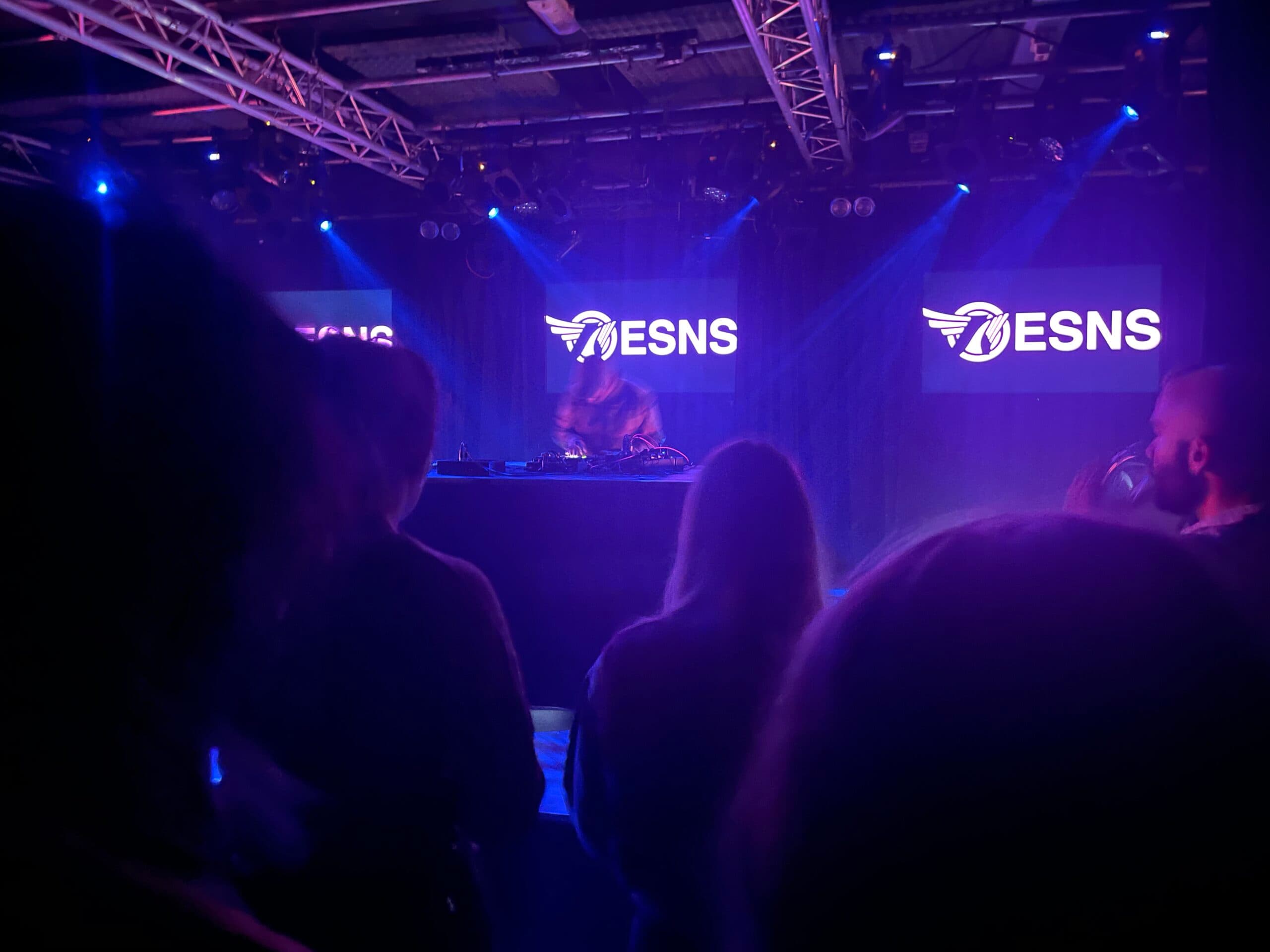
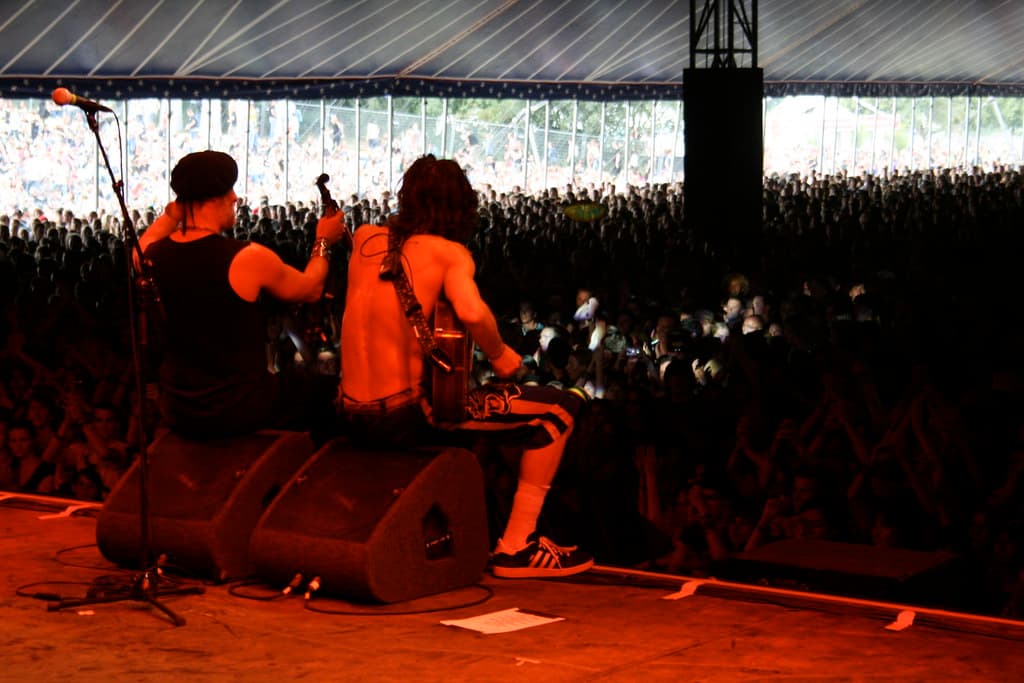
Few shows feel like this. The scale and energy of the festival tend to make the performance memorable for the band and for the audience alike. Playing to thousands of enthusiastic fans in a loud, high-energy setting can become a turning point in an artist's career, and it may stick in the minds of attendees and of any industry decision-makers who happen to be watching.
Professional production and promotion
The festival provides well-equipped production facilities and promotional support. Good sound systems and broad media coverage raise the quality of your performance and put your name in front of more people. With that infrastructure behind you, the show can reach a professional level that is hard to arrange on your own, and it can draw wide attention.
Room for artistic experimentation
Festival crowds tend to be open-minded, which makes Lowlands a reasonable place to try something new. Artists can push boundaries, test new sounds, and see how listeners respond. If you want to develop your sound or your stage presence, the festival gives you space to experiment in front of people who are willing to listen.
Cultural exchange
Lowlands also brings artists into contact with music fans from different backgrounds. You can trade ideas with them, pick up on artistic influences you hadn't come across before, and get a sense of how other people hear music. That can broaden your musical perspective, and sometimes it leads to collaborations across cultures.
Fanbase growth
Playing Lowlands can bring a real increase in fans, because people in a festival crowd often connect with an act they had never heard of. Many festival-goers come looking for new names to follow and support, which gives artists a good chance to grow their fanbase considerably.
Missing a pro?
Let us know which pro you are missing!
Cons
The downsides are mostly practical, though the pressure to stand out is real as well.
Logistics and stress
A festival this size, with this many acts, brings logistical headaches. Load-in and soundcheck can be complicated, schedules are tight, and backstage facilities may be limited. Dealing with all of that is stressful and takes a lot of energy, and for some performers it spoils part of the experience.
Competition and pressure to stand out
The lineup covers a wide range of acts, and every one of them wants the audience's attention and approval. Standing out among them is hard. For emerging artists in particular, the pressure can be daunting, and it may bring on performance anxiety and self-doubt.
Financial costs and other investments
A festival slot can cost money. Performers may have to pay for travel, accommodation, transporting gear, and promotional materials, and the resources that go into preparing count too. For independent artists and bands on a tight budget, those costs can be a real burden, so it is worth adding them up before you agree to play.
Limited performance time
Set times are usually restricted. Because the festival runs on a fixed schedule with a full lineup, artists may not get enough time to play their full repertoire or stretch out into a long set. Musicians who are used to longer shows, or who depend on a specific stage setup, may find that hard to work around.
Adapting to a large stage
Not every act translates easily to a festival stage. Moving from intimate venues to large stages like the ones at Lowlands can mean changing your stage presence, your sound dynamics, and the way you deliver a show. The hard part is the balance: keeping your artistic integrity while still reaching a festival crowd whose energy keeps shifting.
Missing a con?
Let us know which con you are missing!
Conclusion
Which way it falls usually depends on where a band stands. An emerging act with little money will probably feel the travel and gear costs more than an established one. And a band built for small rooms should think about how its set holds up on a big stage, in a short slot, before it accepts.
What do you think?
Do you think the pros outweigh the cons?