The Pros and Cons of Controller Switch: Is It Worth It?
What changing controllers gives you and what it costs
Plenty of gamers make a controller switch at some point, whether that means moving from keyboard and mouse to a gamepad or picking up a joystick for one particular game. It can make some games play better. It can also make others harder for a while.
For a casual player or an esports professional, the controller shapes how a game feels. Below are several points on each side to help you judge whether a change makes sense for the way you play.
Pros
Most of the benefits come down to finding hardware that suits your hands and your games better.
More control and precision
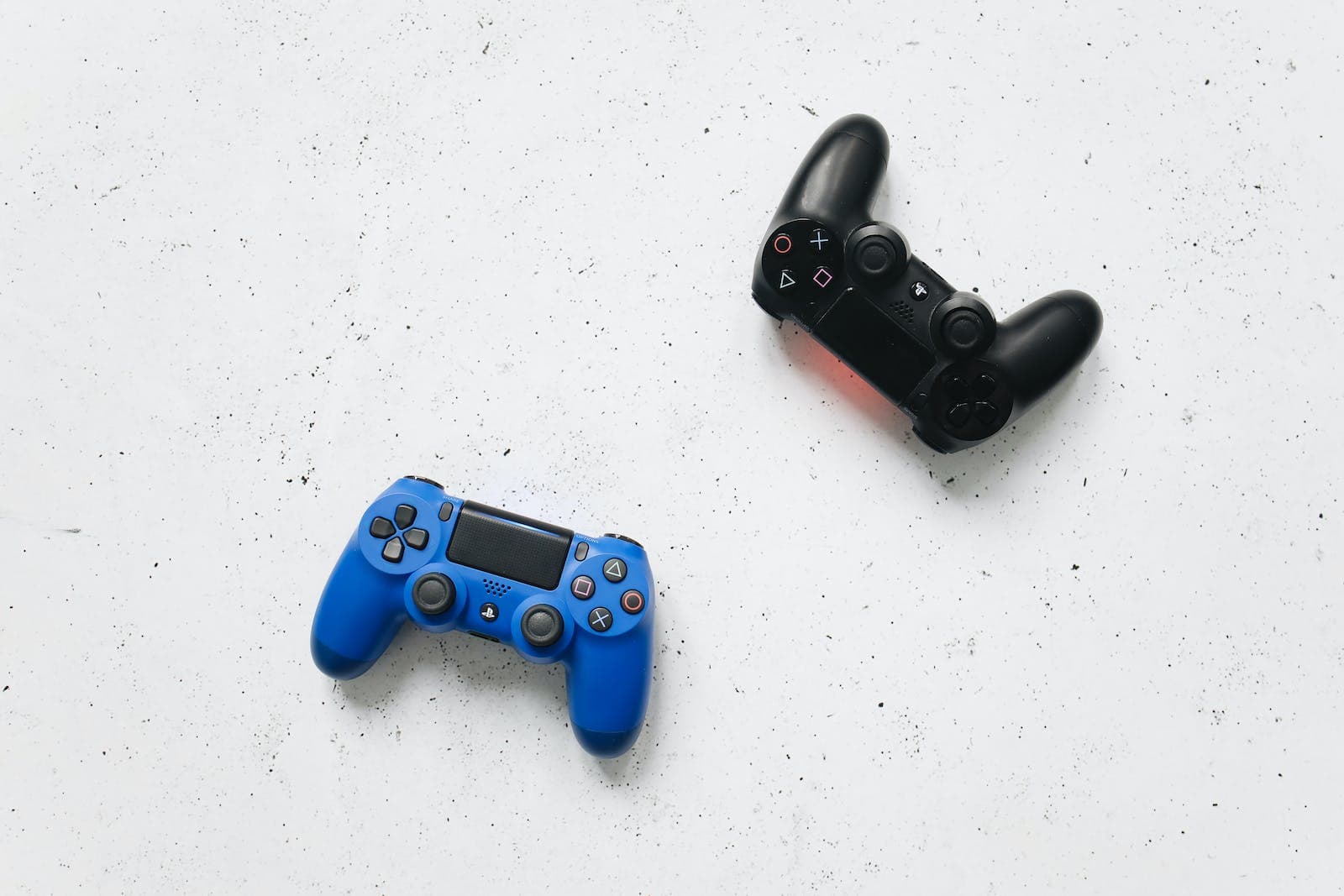
A different controller can give you more control and precision, mostly when its design suits the way you play. Moving from keyboard and mouse to a gamepad is one example: in games built around controller input, a gamepad often feels more natural in the hands and makes moving through the game more intuitive.
A wider range of experiences
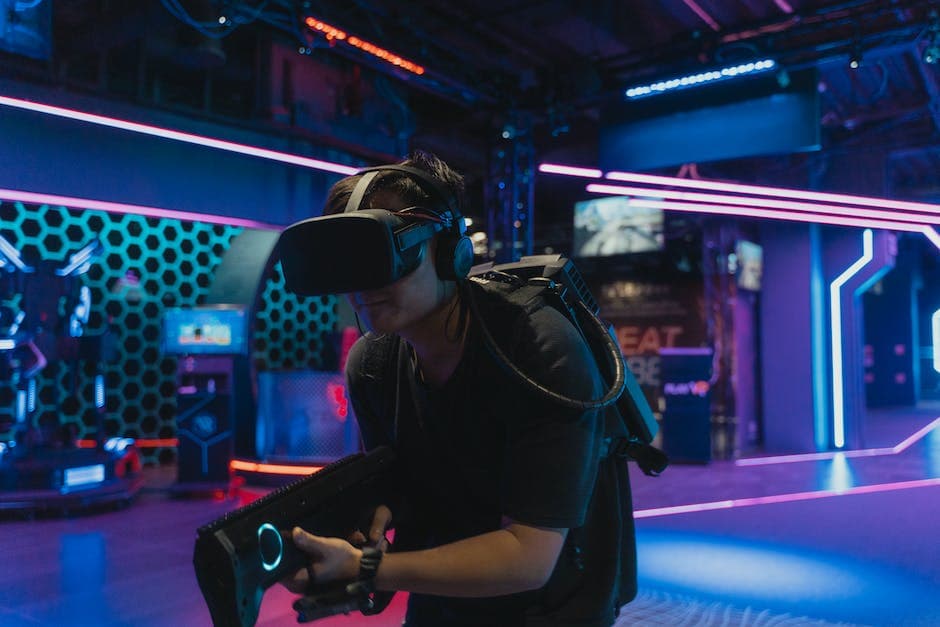
Some genres play better with dedicated hardware. A flight stick in a flight simulator, or a racing wheel in a driving game, usually feels more immersive than a standard gamepad or keyboard, and many players enjoy those games more that way. Switching controllers is what opens up that kind of experience.
Easier moves between platforms
If you play on more than one platform, the right controller can make moving between them easier. A universal controller that works on PC, consoles, and mobile devices lets you keep the same feel in your hands, whichever screen you happen to be playing on.
Better ergonomics
Comfort is one of the better reasons to switch. Controllers come in different designs and shapes, with different button layouts, which means you can pick one that sits more comfortably in your hands. If you often play for hours at a time, that choice can reduce hand fatigue and keep long sessions comfortable over the long run.
Access to new features
Trying different controllers also exposes you to newer ideas in gaming hardware. Many models add features of their own, such as touch-sensitive surfaces, customizable button mapping, or built-in audio controls. Players who use a variety of controllers tend to get to these developments sooner than those who stick with one device for years.
Missing a pro?
Let us know which pro you are missing!
Cons
The downsides are mostly practical: time, money, and devices that don't always cooperate.
A learning curve
Every new controller type comes with a learning curve. Expect to play worse for a while. It takes time and practice before a new input method feels natural, and that adjustment period can be frustrating, most of all in games that demand quick reflexes and precise movement.
Extra equipment costs
Switching often means buying more gear: a dedicated joystick, a steering wheel, or adapters to make a controller work with your system. For some players that extra cost is reason enough to stay put, particularly if they already own a premium controller made for the genre they play most.
Compatibility and support gaps
Not every game or platform is built to handle a wide range of controllers. With non-standard controllers or niche peripherals, you may find that some functions don't work, or that certain games don't support the device at all. That can be both frustrating and inconvenient.
Connection problems
Connection trouble is another risk. When you use several controllers with different wireless standards or compatibility requirements, pairing can become difficult and connections may drop now and then. In the middle of a game, that kind of interruption is irritating and breaks your concentration.
Confusing button layouts
Controllers with different button layouts can confuse you, especially when you switch between them regularly. Muscle memory built on one layout doesn't always carry over to the next, so you may press the wrong button and make mistakes you would not normally make. In tense, high-stakes moments that hurts most, and until your hands adjust, it can take some of the fun out of playing.
Missing a con?
Let us know which con you are missing!
Conclusion
If most of your hours go into one genre, such as flight simulators or racing games, dedicated hardware is usually worth the cost and the adjustment period. If you play a bit of everything on one platform, the controller your hands already know will probably serve you just as well.
What do you think?
Do you think the pros outweigh the cons?