Unleashing the power of 5G: advantages and disadvantages
Speed and capacity against cost, coverage, and privacy
5G, the newest generation of mobile networks, arrived with a lot of excitement and a fair amount of debate. It promises faster internet and better connectivity, and it could change how several industries work. It also comes with costs and concerns.
Most of the advantages are about speed, delay, and capacity. The drawbacks range from the price of building the network to questions about health, privacy, and who gets access first. Below are a number of points on each side.
Pros
Most of what 5G offers comes down to how fast it is and how many devices a network can serve.
- +1
Much faster speeds
5G can be far faster than 4G. Under the right conditions it can reach speeds up to 100 times higher, so large downloads finish quickly and streaming rarely stalls. You notice this most when you rely on cloud-based services or pull a lot of digital content onto your device, because that is exactly where a slow connection gets in the way.
- +1
Low latency
Latency is the delay between sending data and getting a response. With 5G that delay is small. Real-time interaction becomes realistic, which is probably the main selling point for virtual reality, autonomous vehicles, and remote surgery, since those applications depend on a response that comes almost instantly.
More connected devices
A 5G network can handle a much larger number of connected devices than earlier networks. That is what the Internet of Things needs. Smart devices and whole systems of them can be linked up and keep working smoothly together on the same network.
Room for innovation in industry
Speed and low latency together open possibilities in healthcare, manufacturing, agriculture, and urban development. Companies in those sectors can deploy advanced technologies that older networks could not carry well. Whether this turns into the economic growth and social progress that is often promised depends on what people actually build on top of the network, but the potential is there.
Better spectral efficiency
5G is designed to get more out of the same slice of radio spectrum. That spectral efficiency lets a network serve a higher density of users and devices on the same frequencies, so operators get more capacity out of resources they already have.
More capacity in crowded places
Here is the advantage most people actually feel. 5G networks can serve many devices at the same time without each connection losing speed or quality, so someone with several devices online at once does not pay for it in performance. The difference shows most in crowded city centres and at events, where large numbers of people try to get online at the same moment.
- -1
Lower energy use
Compared with previous generations, 5G is more energy-efficient, mainly thanks to network virtualization and better use of resources. For network providers that can mean lower energy consumption and lower operating costs. Whether total consumption goes down is a separate question, because the network itself keeps expanding.
Missing a pro?
Let us know which pro you are missing!
Cons
The drawbacks mostly concern the cost of building the network and the risks of connecting so much at once.
Heavy infrastructure requirements
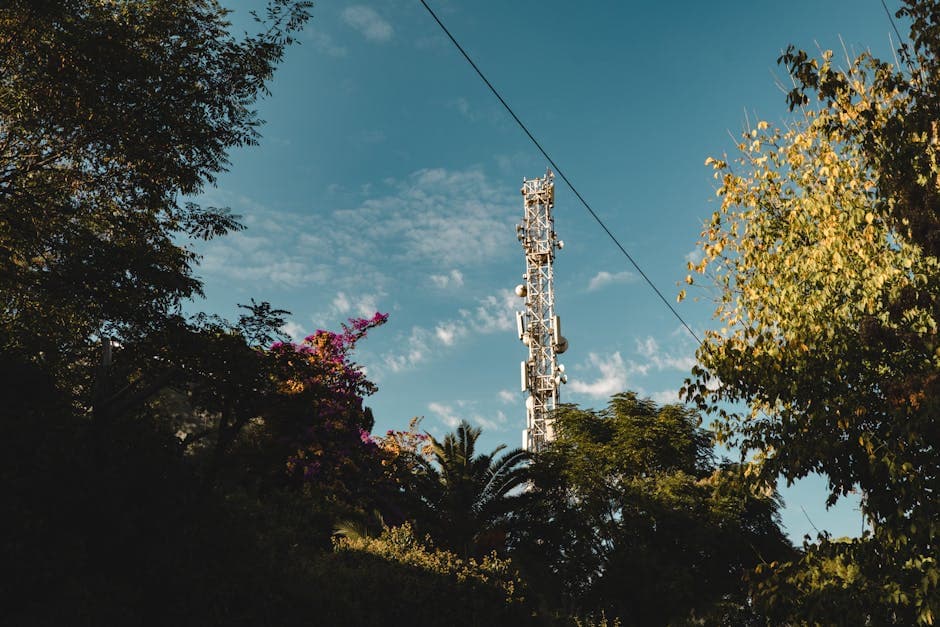
To use the high-frequency mmWave spectrum, 5G needs a dense network of small cells and antennas. Building it is a large investment. It also runs into practical obstacles: the cost, zoning rules about where equipment may be placed, and objections to how all those extra antennas look.
Health and environmental concerns
Some people worry about what prolonged exposure to the electromagnetic radiation from 5G infrastructure might do to their health, and that worry has fed a public debate. There is an environmental side as well. Every additional antenna and network component uses energy and has an impact on the environment, and with so many of them being installed, that impact deserves a careful look, especially next to the claim that 5G is more energy-efficient.
Security and privacy risks
More interconnected devices and huge volumes of data moving over the network give attackers more to aim at. That raises real worries about cybersecurity threats and weak spots in privacy. Protecting the integrity of data and limiting the damage from network breaches become central tasks for anyone running or relying on a 5G network.
A wider digital divide
5G promises fast connectivity, though probably not everywhere at once. Rural and underserved areas risk falling further behind, which would widen the digital divide instead of closing it. Making sure access is fair is a complicated problem, and nobody has a simple fix for it.
Interference and spectrum allocation
Spectrum has to be allocated before 5G can use it. 5G signals can also interfere with existing wireless systems, such as satellite communications and weather radars. Sorting this out is both a regulatory and a technical job, and it takes careful management and coordination.
High cost of implementation
The bills add up quickly: new base stations, upgrades to existing equipment, and spectrum licenses that have to be bought. For network operators this can be a serious barrier. In less densely populated areas it is harder still, because fewer customers mean the return on the investment comes more slowly.
Privacy risks from IoT devices
This is the IoT side of the security problem. Because 5G makes it practical to connect many more Internet of Things devices, those devices generate an enormous amount of data, and they are all linked to one another. If that data is not properly secured and regulated, the combination could lead to privacy breaches.
Missing a con?
Let us know which con you are missing!
Conclusion
If you live in a busy city, the gains in speed and capacity are the ones you are most likely to notice soon. Outside cities, it depends on whether operators think the investment will pay back, and that decision may take a while.
What do you think?
Do you think the pros outweigh the cons?
You might also like 👇