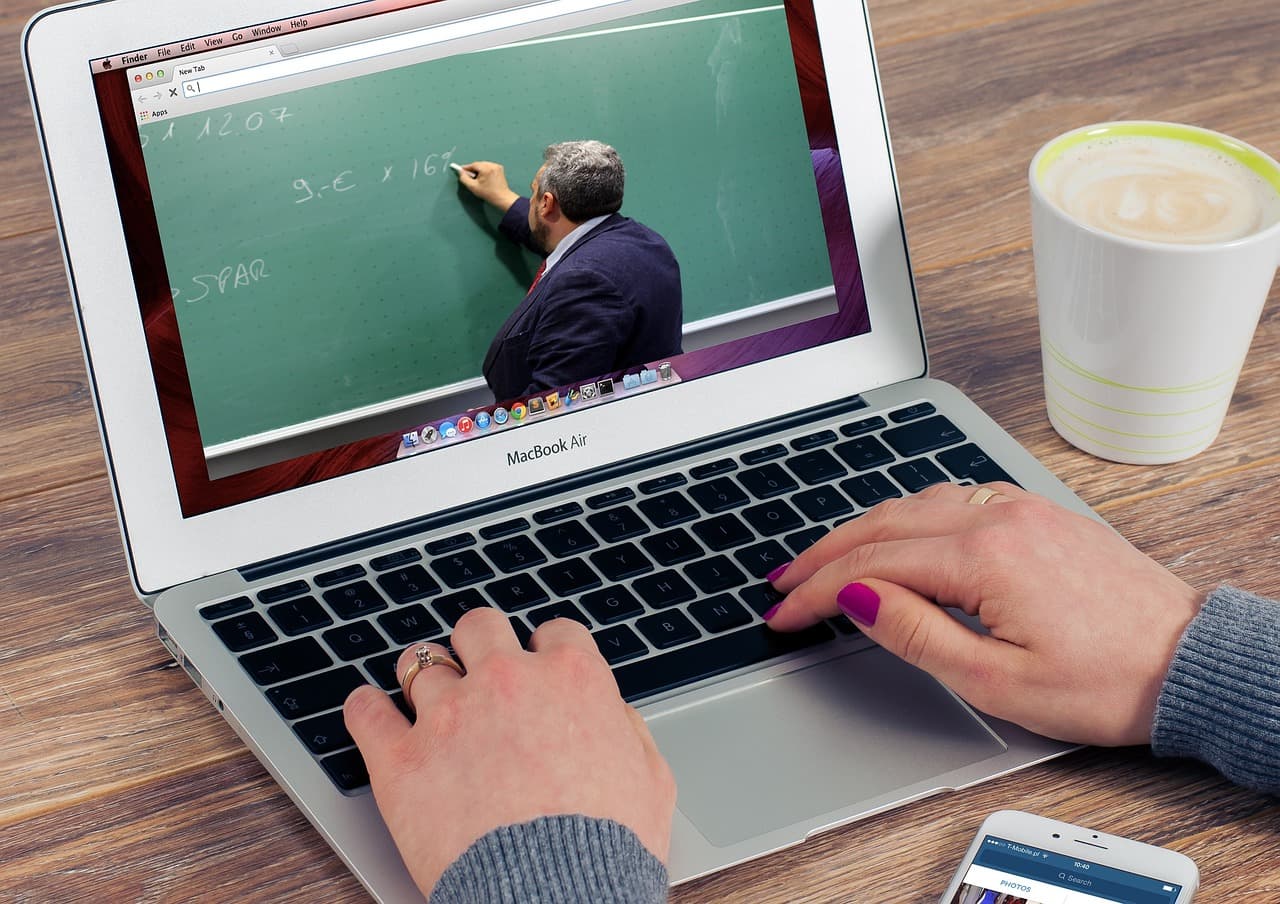
The Pros and Cons of Joining a Webinar
What you gain by learning online, and what you lose
Joining a webinar has become a normal way to learn something new or attend a meeting without leaving your desk. For many people it works well. For others, or for certain topics, the format falls short.
Below are some of the main advantages and drawbacks, so you can judge whether a particular webinar is worth your time.
Pros
Most of the benefits come from the fact that nobody has to travel anywhere.
Flexibility and convenience
You can join a webinar from anywhere in the world, as long as you have an internet connection. For people with busy schedules, that is often the main draw. It also helps those who can't get to in-person events at all, since there is no venue to reach and no fixed time spent getting there.
Lower costs
Most webinars spare you the cost of travel and a hotel. You attend from home or from the office, which saves money and also the hours you would otherwise spend getting somewhere. Individuals benefit from that, and so do businesses that would otherwise pay to send staff to an event.
Access to expert knowledge
Many webinars are hosted by industry experts. Attending one puts you in front of their knowledge and insights, and some of that may be hard to find through other channels, at least not this directly.
An engaging way to learn
A good webinar mixes formats. There may be a multimedia presentation, a live Q&A, and tools that let participants collaborate in real time. When those are used well, learning feels more dynamic, and it probably works better too.
Global reach and networking
Because people log in from all over the world, a webinar can bring together participants who would rarely end up in the same room. That creates networking opportunities, and the people you meet will often come from quite different backgrounds than your own.
Better accessibility
Some people find in-person events hard or impossible to attend. That includes people with physical disabilities and those who live in remote places. A webinar lets them take part in learning and networking events they would otherwise miss, which makes these events more inclusive for everyone who can't easily be there in person.
Better for the environment
Less travel means fewer emissions. When fewer people commute or fly to an event, carbon emissions go down, so a webinar is usually the more sustainable way to learn or network. How much it saves depends on how far attendees would otherwise have travelled.
Missing a pro?
Let us know which pro you are missing!
Cons
The drawbacks mostly have to do with technology, attention, and what gets lost when people are not in the same room.
Technical and connection problems
Technology can let you down. A weak internet connection, audio or video that cuts out, or a platform that doesn't work properly on your device can all break the flow of a session. When that happens, the experience suffers and you may miss part of what was said.
Less personal interaction
Face-to-face events have a personal touch that webinars often lack. The spontaneous conversations that are part of a traditional class or networking event are hard to reproduce online. For some participants, that makes the whole thing feel less immersive.
Holding attention
Keeping people's attention for a full session is hard in a virtual setting. Nobody sees you drift off, and it is easy to start multitasking halfway through. Hosts struggle with this, and the session loses some of its effect when part of the audience is only half there.
Little hands-on learning
Some subjects need hands-on training or physical interaction. Those translate poorly to a webinar. For such topics, both the depth of learning and the chance to apply it in practice may fall short of what you would get in person.
Time zone differences
When participants are spread across time zones, finding a time that works for everyone gets difficult. Organizers have to pick a slot, and for some audiences that means joining at an inconvenient hour, or not at all.
Few non-verbal cues
Much of what people communicate comes through body language and facial expressions. In a webinar you see little of that, and those cues matter for picking up nuance and building rapport. Without them, participants can feel less connected to each other and may understand one another less well.
Distractions at home or at work
Attendees are also exposed to whatever is going on around them. Someone interrupts, a notification pops up on a phone or laptop, another task seems more pressing. Each of these pulls focus away from the session, and over time they can wear down engagement and make the webinar less useful than it could have been.
Missing a con?
Let us know which con you are missing!
Conclusion
Whether a webinar suits you depends a lot on the subject. For talks, expert sessions, and Q&As, the format usually holds up well, especially if you have a stable connection and a quiet place to sit. If the topic needs hands-on practice, or if meeting people in person is the main reason you would go, an in-person event is probably the better choice.
What do you think?
Do you think the pros outweigh the cons?