The Pros and Cons of Botox: Is It Worth It?
Wrinkle treatment, medical uses, side effects, and costs
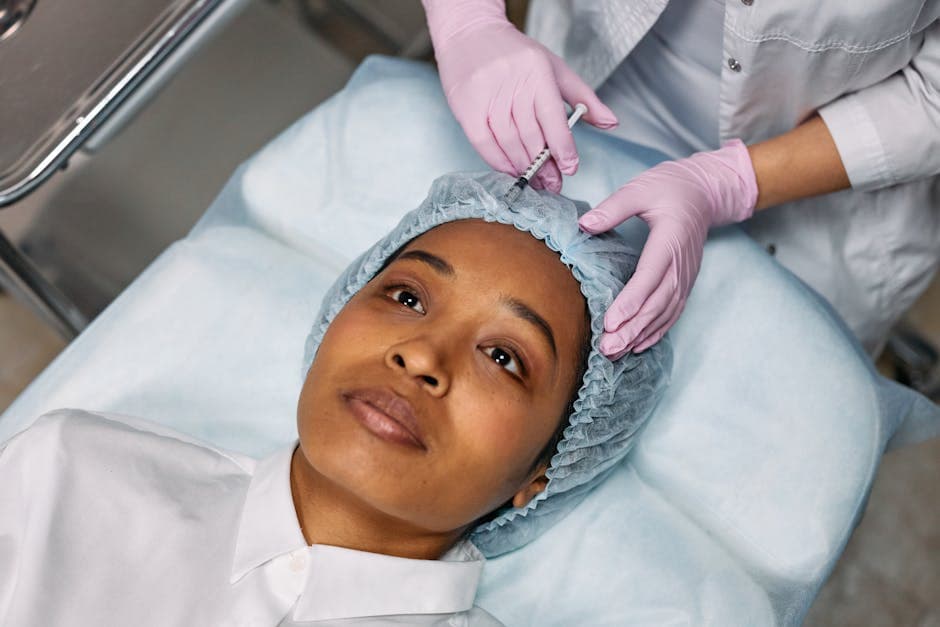
Botox is best known for softening wrinkles and fine lines, and that reputation is why so many people consider it. There are downsides too, and some of them only become clear once you have had a few rounds of treatment.
Its uses go further than frown lines. Doctors also use it for excessive sweating, migraines, and jaw pain, and it involves no surgery. Below are the main arguments for and against, so you can judge whether it fits what you are looking for.
Pros
Some of these benefits are cosmetic, and others have nothing to do with appearance.
Treatment for migraines
Botox is approved as a treatment for chronic migraine, which takes it well outside the cosmetic clinic. For people whose migraines are debilitating, the injections can ease the symptoms and reduce how often attacks happen. Results vary from patient to patient, but for many migraine sufferers this use has brought relief they badly needed.
Management of excessive sweating
Hyperhidrosis, the medical term for excessive sweating, is another condition Botox can treat. It works by blocking the nerves that stimulate the sweat glands. The relief tends to last a long time, which matters for a condition that can be hard to live with. Many people who have been treated for heavy sweating say their quality of life improved noticeably afterwards.
Non-surgical and low-risk
Botox involves no surgery. The injections are quick and done as an outpatient procedure, so there is very little downtime, which makes it easier to fit into a busy schedule than more invasive cosmetic work. When a qualified professional gives the injections, it is generally considered a low-risk treatment with a good safety profile.
Boost in self-confidence
Looking smoother and younger can change how people feel about themselves. Many report higher self-esteem and a more positive self-image after treatment. This effect is hard to measure, and it differs a lot from one person to the next. Still, for many recipients the feeling of looking refreshed is one of the main reasons they consider the treatment worthwhile.
Medical benefits
The list of medical uses is longer than many people expect. Botox is used to treat muscle spasms, bladder disorders, and even certain eye conditions. That range, reaching well beyond anything to do with appearance, is a solid point in its favor.
Treatment for TMJ disorders
Temporomandibular joint (TMJ) disorders cause pain and discomfort in and around the jaw. Botox relaxes the jaw muscles, which can ease that pain. Because it does this without surgery, it gives people with TMJ problems a non-invasive treatment option to try.
Treatment for TMJ disorders
Pain is one part of TMJ trouble, and tension in the jaw is another. Once the jaw muscles relax after the injections, that tension can ease as well, and some patients find the jaw works better than it did before treatment.
Therapeutic uses beyond aesthetics
Botox has shown promise for overactive bladder and urinary incontinence, two problems that can be awkward to treat. It is also used for muscle stiffness. Uses like these make it a valuable option in medicine, quite apart from its role in cosmetic clinics.
Medical uses beyond cosmetic
Overactive bladder and muscle stiffness come up again here, and some sources add depression to the list. That last use is probably less established than the others, so treat it with some caution. Even so, every condition Botox can help with widens the group of patients who may benefit from it.
Quick recovery time
Most people go straight back to their normal activities after the injections. For anyone with a full schedule, that makes a real difference: the appointment barely interrupts the day, and there is no recovery period to plan around.
Improvement in chronic neck pain
Botox is also used for chronic neck pain, far from its reputation as a wrinkle treatment. Injected into specific neck muscles, it can relieve discomfort and help the neck function better in people who live with chronic pain conditions.
Treatment for eye twitching and squinting
Botox can treat eye twitching (blepharospasm) and the squinting linked to strabismus. Both involve muscle activity the patient cannot control. By acting on those muscles, the injections can make the involuntary movements less frequent and less severe. For patients, that usually means more comfort and better vision.
- -1
Wrinkle reduction and prevention
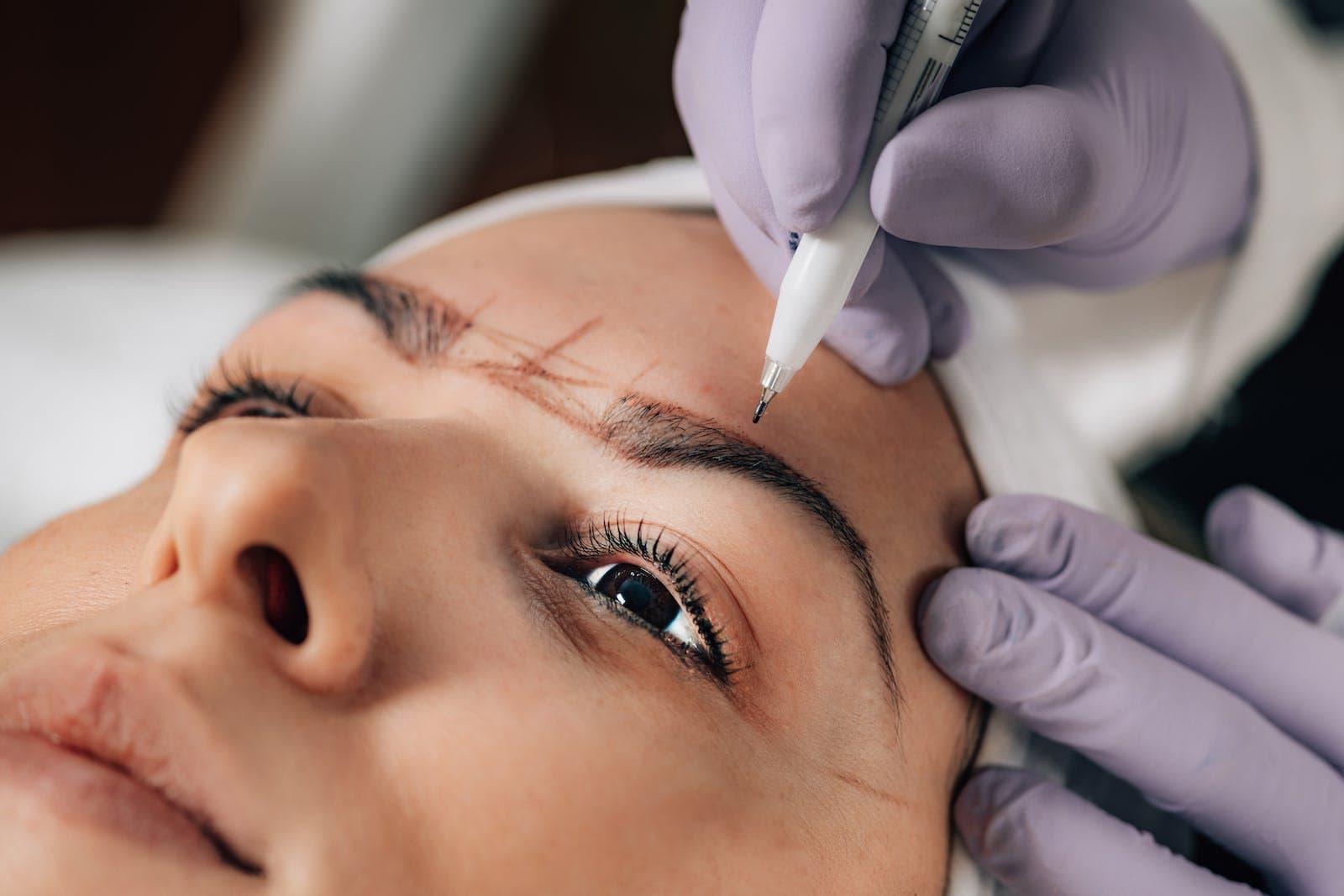
Wrinkles are the main reason most people book Botox. Injected into specific facial muscles, it smooths frown lines, crow's feet, and forehead lines, which usually makes the face look more rested and a bit younger. With regular treatments it may also slow the formation of new wrinkles, so some people use it as prevention as well as correction, hoping for a longer-term effect on their skin.
Missing a pro?
Let us know which pro you are missing!
Cons
Most of the drawbacks are temporary, though a few depend heavily on who does the injecting.
Risk of uneven results
How even and symmetrical the result looks depends heavily on the skill and precision of the person doing the injections. If the muscles relax unevenly, facial expressions can end up lopsided. Choosing a qualified and experienced injector is the best way to keep this risk low.
Regular maintenance required
Botox does not last. To keep the improvement in appearance, you need new injections every few months, for as long as you want the effect to continue. People hoping for a one-time solution to a cosmetic concern often see this as the biggest drawback, since it turns a single treatment into a long-term commitment.
Cost considerations
Botox has a price, and because it has to be repeated, that price comes back every few months. For many people this is a real consideration. Anyone planning to keep their results for years should count the ongoing cost of injections into the decision from the start.
Potential physical discomfort
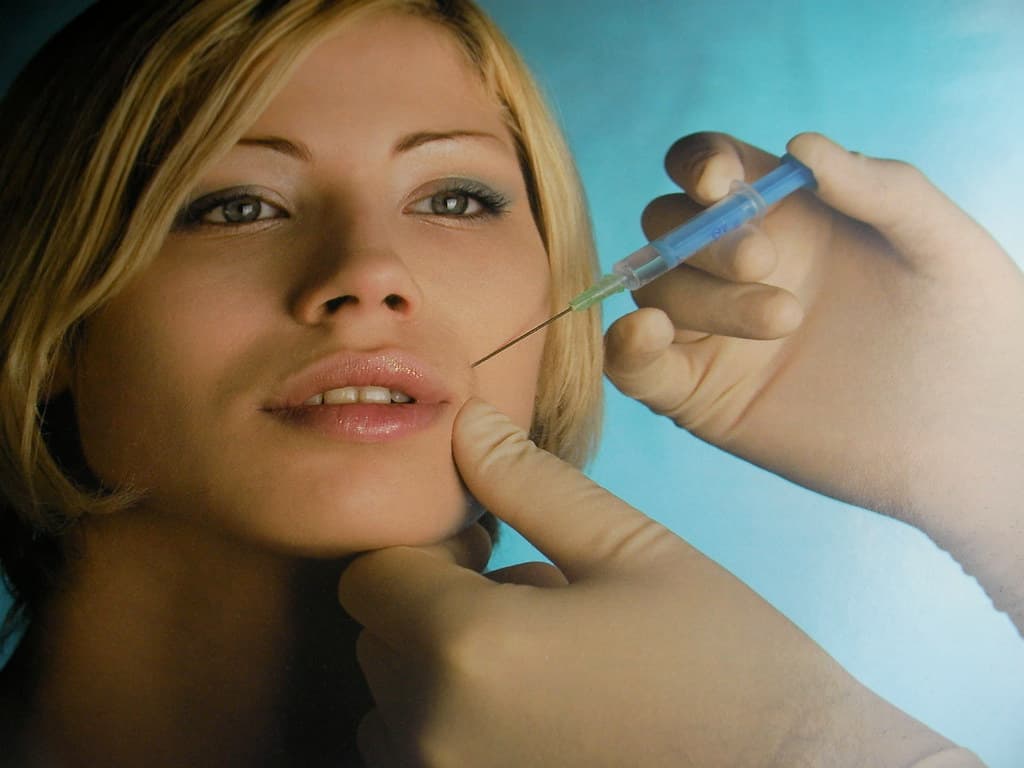
The injections themselves can be a little painful, and afterwards there may be pain, bruising, or tenderness where the needle went in. In most cases this is mild and passes quickly. It still helps to know about it beforehand, so the discomfort doesn't come as a surprise.
Risk of allergic reactions
Allergic reactions to Botox are rare, but they can happen. Before treatment, go through your medical history and any known allergies with your healthcare provider. Knowing that a reaction is possible, and making sure the provider knows what you have reacted to in the past, is the simplest way to keep this risk small.
Potential for bruising at injection site
Bruising is one of the most common side effects of Botox. It is usually temporary, but it can be slightly sore and may take some time to fade, which makes the first days after treatment less pleasant.
Risk of unintended muscle weakness
Sometimes Botox weakens muscles near the treated area that were never meant to be affected. This can cause temporary difficulty with speaking or swallowing, and that may need medical attention.
Possible muscle weakness
Weakness can also show up in the treated muscles themselves. It typically fades over time, but during the first period it can be uncomfortable and limit how freely you move.
Limited duration of effects
The temporary nature of Botox applies to the medical uses too. Whether it is treating wrinkles or a medical condition, the relief wears off, and patients need repeat treatments to keep it. For someone hoping for a long-term solution, going back again and again can be inconvenient.
Potential for allergic reactions
When a reaction does occur, it may show up as itching, a rash, or shortness of breath. These reactions are uncommon. If you have reacted to similar products before, ask your provider whether allergy testing makes sense before you are treated, and take any trouble breathing seriously.
Impact on facial expressions
Faces carry emotion, and Botox can temporarily dull how much of it shows. With overuse or poor injection technique, the face may look frozen or unnatural, and expressions become harder to read. Working closely with a qualified, experienced practitioner gives you the best chance of a result that still looks natural and like you.
- -1
Temporary side effects
Redness, swelling, or bruising at the injection site are common in the days after treatment. They usually clear within a few days. That is short, but it is worth planning around if you have an important social or work event coming up, and booking the appointment well before such a date avoids the problem.
- -1
Potential overdone aesthetic
Too much Botox can leave a face looking frozen or expressionless. Avoiding that starts with realistic expectations about what the treatment can do. It also helps to work closely with a skilled professional whose aim is a natural, balanced result instead of the strongest possible effect.
Missing a con?
Let us know which con you are missing!
Conclusion
If you want a one-time fix, Botox will probably disappoint you, because the effect wears off and the bills keep coming. If you can live with appointments every few months, the choice of injector matters more than almost anything else, since uneven results, a frozen look, and unwanted muscle weakness are often linked to skill and dosage. For the medical uses, the decision belongs in a conversation with a doctor who knows your history and your allergies.
What do you think?
Do you think the pros outweigh the cons?
You might also like 👇