The Pros and Cons of Using Social Media
What you gain online and what it can cost you
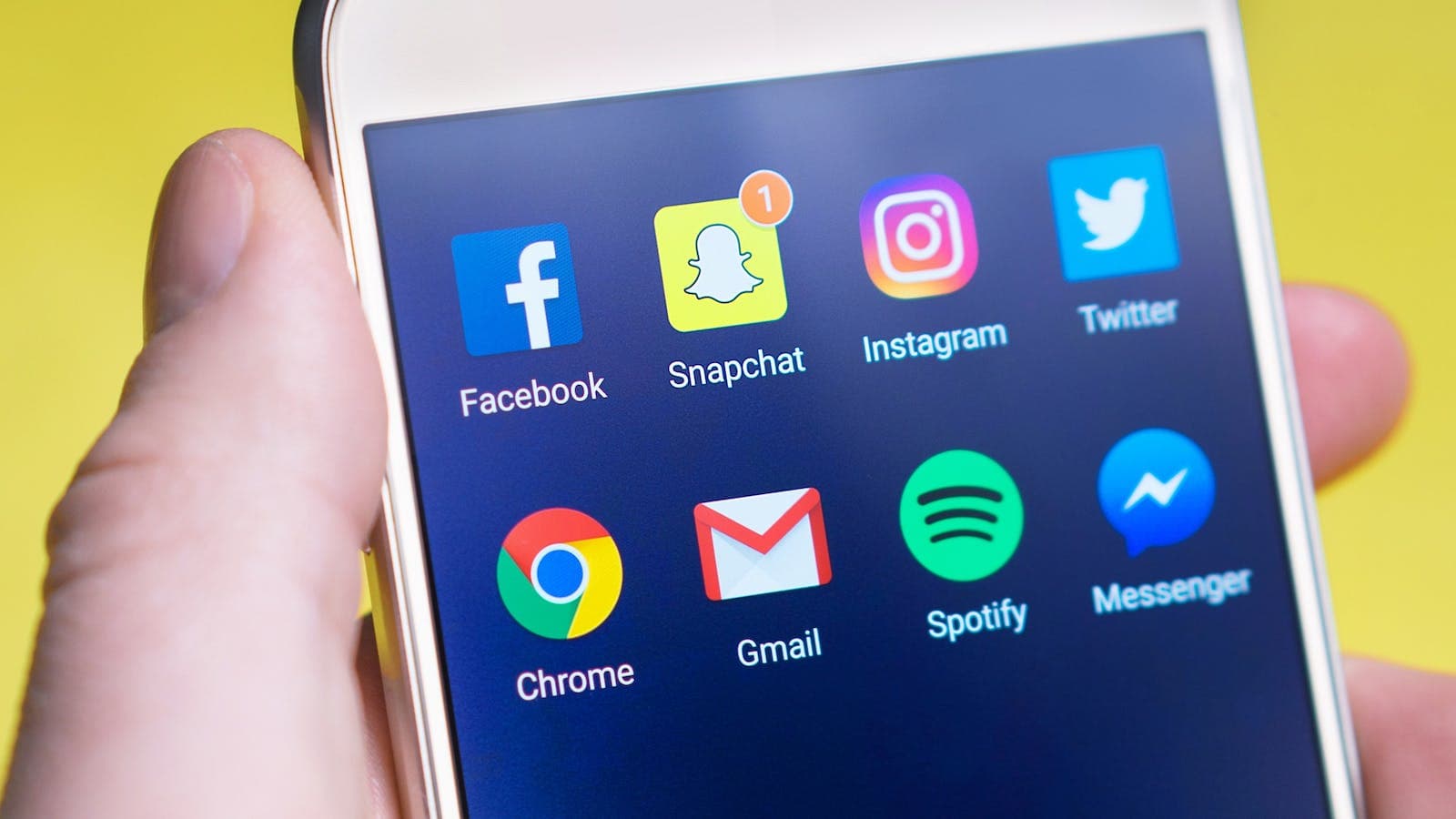
Using social media is part of daily life for many people, mostly through platforms like Facebook, Instagram, Twitter, and LinkedIn. These platforms have changed how we keep in touch, share information, and build professional networks.
The benefits are easy to name. So are the worries: privacy, mental health, and the spread of misinformation come up in nearly every debate about it. Below are some of the main points on each side.
Pros
Most of the advantages come down to reach, both to people and to information.
Sharing information and raising awareness
News, trends, and developments from around the world reach your feed quickly, so it is easy to stay informed about current events. The same reach makes social media useful for raising awareness of social issues and promoting causes, since one post can travel far beyond the people who first saw it.
Promotion and marketing
For businesses and individuals alike, social media is a way to reach a large audience with products, services, or a personal brand. Targeted advertising lets you choose who sees a message. You can also talk directly with potential customers in comments or messages, and now and then a campaign goes viral and spreads well beyond the people it was aimed at. Together these can raise visibility and sales considerably, though results usually vary a lot from one business to the next.
Building communities
Groups and forums bring together people with shared interests or causes, often from different parts of the world. Inside them, discussions can go deeper than in a general feed. Members support each other, collaborate, and swap ideas. Over time, these groups can grow into strong networks that people rely on, which is probably one of the more lasting things social media offers its users.
- -1
Staying connected
Distance matters less on social media. You can keep in touch with friends and family abroad, and find people who share your interests wherever they happen to live. Messages and comments arrive in real time, which can give a sense of being together and help relationships stay meaningful.
- -1
Networking and professional opportunities
On platforms like LinkedIn, professionals and job seekers can connect with potential employers they might not meet otherwise. You can present your skills there, build a professional reputation over time, and follow what people in your industry are discussing and learning.
Missing a pro?
Let us know which pro you are missing!
Cons
The drawbacks affect individual users as well as the wider public.
Privacy
Personal data leaks out more easily than many users realize. You might share sensitive details without thinking twice, or have them exposed in a data breach at the platform itself. And because these platforms are present in so much of daily life, they hold a lot of information about their users, which raises open questions about how securely that data is stored and how it gets exploited.
Mental health
Excessive use has been linked to anxiety, depression, and feelings of inadequacy. Much of that comes from comparison. Feeds are curated, so you mostly see other people's best moments, and measuring your own life against them over and over can wear down self-esteem and leave you with a negative self-image. Occasional use probably carries less of this risk.
Spread of misinformation
Fake news, misinformation, and propaganda spread easily on social media, often faster than anyone can check them. When unverified content goes viral, it can sow discord and shape how the public sees an issue on the basis of information that is simply wrong.
Addictive behavior
Notifications, updates, and the constant chance to react to something keep pulling you back to the app. For some users this turns into excessive use and a real dependency on the platforms. The cost shows up in productivity, in mental well-being, and in quality of life more broadly. People who are hooked often find it hard to disconnect from the screen and take part in what is happening around them offline.
Cyberbullying and trolling
Cyberbullying and trolling are common. Online, people can stay anonymous and never face the person they are talking to, and that distance makes some of them bolder: they harass others, bully them, or post hateful content they would probably never say in person. Victims can suffer real harm to their mental and emotional health. On a larger scale, this behavior makes the online environment more toxic for everyone who uses it.
Missing a con?
Let us know which con you are missing!
Conclusion
How much any of this matters depends on how you use it. If you use social media for a specific purpose, such as job hunting, promoting a business, or joining a group around a shared interest, the benefits are easier to get. The drawbacks tend to grow with the hours spent scrolling and the amount of personal information you share, so those are the two things worth watching.
What do you think?
Do you think the pros outweigh the cons?
You might also like 👇