The Advantages and Disadvantages of Parakeets
Cheerful company, daily noise, and a long commitment
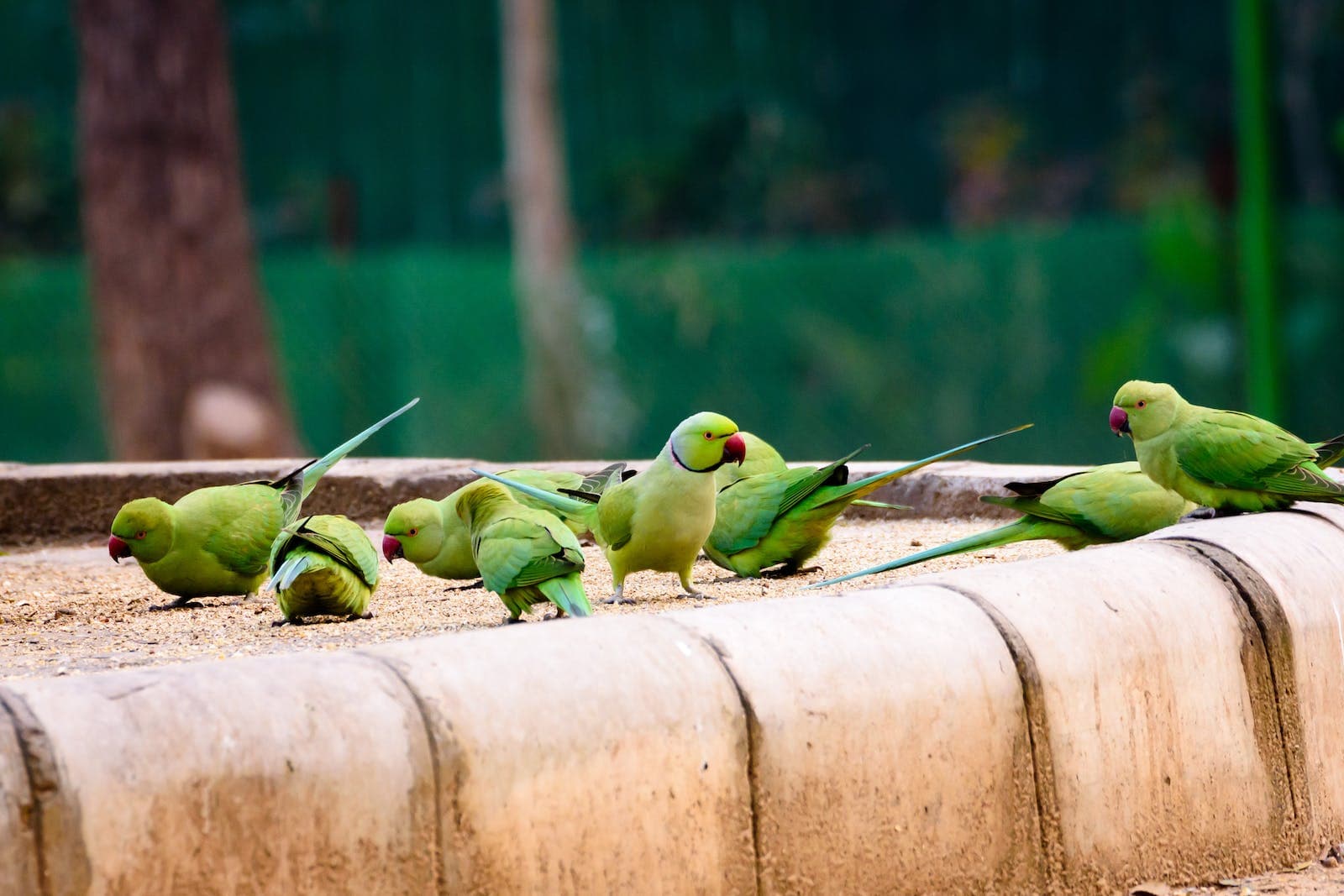
Parakeets, also called budgerigars or budgies, are popular pets with bright plumage and a cheerful temperament. They are friendly, intelligent, and fairly easy to care for, which makes them a common choice for first-time pet owners as well as bird enthusiasts. They also bring noise, mess, and a commitment that can last well over a decade.
Below are the main points on both sides, from their personalities to their care needs, so you can judge whether a parakeet fits your home.
Pros
Most of what people like about parakeets comes down to personality and ease of care.
Social and playful nature
Parakeets are social, playful birds with a lot of personality. Most enjoy spending time with the people they live with, and many form strong bonds with members of the household. With proper training and socialization, a parakeet usually becomes an affectionate, fun-loving pet. Its playful behavior and melodic chirping can keep you entertained for hours, which is a large part of why people keep these birds in the first place.
Low maintenance care
Compared with larger parrot species, parakeets are fairly easy to look after. What they need is a clean, roomy cage, a balanced diet (vets often recommend pellets as the base, with fresh vegetables and some fruit), fresh water, and regular time with their owners. Grooming takes little effort. They are also generally hardy, resilient birds, so a busy person or a family with a full schedule can usually keep up with their needs.
Intelligence and trainability
These are clever birds. With positive reinforcement they can learn a range of tricks and behaviors, such as mimicking sounds and words, playing with toys, and performing simple actions. How much a given bird picks up will vary, but the capacity to learn is clearly there. The training sessions count as a benefit in themselves, because they keep the bird mentally stimulated and give the owner something engaging to do with it.
Bonding opportunities
If you want a pet you can build a real relationship with, a parakeet offers that. They like interacting with people, and over time the bond can become strong and affectionate. For someone looking for companionship or emotional support from an animal, that bond is probably the main reward.
Colorful plumage
Parakeets are known for their bright, attractive plumage, and they make a good-looking addition to a household. For anyone who appreciates the natural beauty of birds, those colorful feathers are a small pleasure every day.
Trainability and Enriching InteractionThis advantage was added by a visitor
Parakeets are highly trainable birds, capable of learning a wide array of entertaining and interactive behaviors. Through positive reinforcement and patient training, these intelligent creatures can mimic sounds and words, perform tricks, and engage in stimulating activities, showcasing their remarkable capacity for learning and adaptation. Training sessions not only foster a deeper bond between the parakeet and its owner but also provide enriching mental stimulation for the bird, contributing to a fulfilling and dynamic companionship.
Missing a pro?
Let us know which pro you are missing!
Cons
The downsides are mostly practical: noise, cleaning, costs, and time.
Noise and mess
Parakeets are lively and vocal. Expect chirping and chattering through much of the day, with the occasional loud squawk. Some people find the sound delightful. In an apartment or shared housing, though, it can be disruptive, so it is worth thinking about who else will hear it. Then there is the mess: seed husks, feather dust, and the occasional dropping outside the cage, which means the area around it needs regular cleaning.
Health and veterinary care
Like any pet, a parakeet may get sick at some point and need a vet. In some areas that is harder than it sounds, because avian vets with experience treating parakeets are not available everywhere. Medical care for birds can also be expensive. Possible treatments and medications belong in the budget from the start, next to food and supplies.
Longevity and commitment
A well-cared-for parakeet often lives 7 to 15 years, sometimes longer. That makes bringing one home a long-term commitment. For the whole of the bird's life, someone has to provide daily care, attention, and companionship. For some people that is a heavier promise than it first appears, so it helps to ask honestly whether you can keep it for the full span.
Messy eaters
Feeding time adds its own mess. Parakeets tend to toss seeds and food around while they eat, and it ends up scattered around their living space. Keeping that area tidy and hygienic usually means cleaning it on a regular basis.
Potential aggression
Some parakeets bite or show other aggressive behavior, especially when they have not been properly socialized or trained. That is mainly a concern for people who have little experience handling or interacting with birds, and for children in particular.
Missing a con?
Let us know which con you are missing!
Conclusion
A parakeet tends to suit someone who is home often, likes a bit of chatter in the background, and can keep up with cleaning and possible vet bills for 7 to 15 years. If you live in an apartment or shared housing, think about who else will hear the bird. And before you buy, check whether there is an avian vet with parakeet experience in your area.
What do you think?
Do you think the pros outweigh the cons?
You might also like 👇