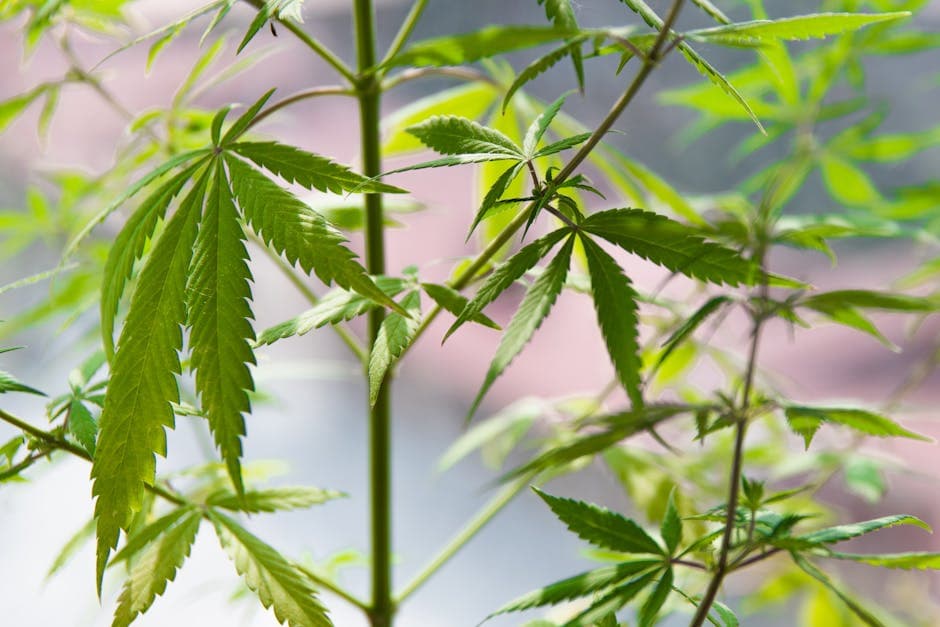
The Pros and Cons of Smoking Weed
Pain relief and relaxation weighed against health risks
Smoking weed, also called cannabis or marijuana, divides opinion. Supporters point to possible medical benefits and to the way it helps people relax. Critics worry about what it does to health and to thinking.
What follows are some of the main arguments on each side. How much each one matters usually depends on how often someone smokes, how old they are when they start, and where they live.
Pros
Most people smoke for recreation, yet several of the possible benefits are medical.
Pain relief
Chronic pain is probably the best-known medical reason people use marijuana. It seems to help most with neuropathic pain and with pain linked to multiple sclerosis and arthritis. Because cannabis has analgesic properties, it can be a reasonable option for people who live with discomfort that doesn't go away and who want some relief.
Stress reduction
After a long day, plenty of people smoke to unwind. Compounds in the plant can have a calming effect, which helps users relax and step away for a while from the pressures of daily life. Used in moderation, weed can give a short break from stress and leave a person feeling calmer.
Creativity
Some users say smoking weed gets their ideas flowing and makes artistic expression come more easily. One explanation is that marijuana acts on neural pathways in a way that may produce unusual thoughts, though this is a belief more than a settled finding. For people with creative pursuits, cannabis might sometimes serve as a source of inspiration and a different angle.
Appetite stimulation
Poor appetite can come from an illness or from the side effects of treatment, and marijuana can bring hunger back. That may help patients going through chemotherapy and some people with eating disorders. Once the urge to eat returns, keeping up a healthy nutritional intake gets a lot easier.
Possible medical uses
Marijuana may have medical uses beyond pain and appetite. Epilepsy, glaucoma, and certain mental health disorders are among the conditions where it might help. Cannabinoids, the active compounds in cannabis, appear able to modulate neural activity and ease some symptoms of these conditions, which explains the growing interest in its therapeutic uses. Much of this remains a possibility rather than an established treatment.
Enjoying music
Music often sounds different when you're high. Weed can heighten the senses and make listeners more emotionally receptive, so a familiar song may feel more intense and more enjoyable than usual. Some users say it gives them a deeper emotional connection with what they're hearing.
Better sleep
People with insomnia or other sleep disorders sometimes use weed as a natural sleep aid. Certain strains induce enough relaxation to help them fall asleep faster, and the sleep that follows may feel deeper and more restful, which can improve sleep quality overall.
Missing a pro?
Let us know which pro you are missing!
Cons
Some risks come from the act of smoking itself. Others build up with frequent use or with starting young.
- +1
Cognitive impairment
Regular, heavy use has been linked to cognitive impairment, and the link is strongest in adolescents and young adults. Prolonged exposure can affect memory, attention, and decision-making. Those effects can last, showing up later in academic results and in performance at work.
Lung problems
Smoking marijuana carries risks for the lungs, much like smoking tobacco. Whatever burns gets inhaled, and those combustion byproducts irritate the lungs. Over time this can lead to problems such as chronic bronchitis and can make a person more likely to pick up lung infections.
Risk of dependency
Not everyone who uses marijuana becomes addicted. Still, cannabis can cause dependency, especially in people with certain risk factors. Someone who is dependent may find it hard to control how much they use, and they may get withdrawal symptoms when they try to quit.
Mental health effects
Some people find that marijuana eases their mental health symptoms; others find the opposite. Cannabis has been associated with a higher risk of anxiety, paranoia, and psychotic episodes, mostly in people who are already susceptible. Those people in particular have good reason to think about how weed affects their mental well-being before they use it.
Legal and social consequences
Whether marijuana is legal depends on where you are, and the consequences of using it can be serious. Possession, especially in places where it is illegal, can lead to legal sanctions. It can also hurt personal relationships and close off professional opportunities.
Frequent smoking and tobacco
Frequency matters for the lungs. People who smoke cannabis often and for years run a higher risk of bronchitis and ongoing lung irritation. The risk climbs again when cannabis is mixed with tobacco, which makes problems such as a chronic cough and phlegm production more likely.
Memory formation
Short memory lapses while high are common. Long-term heavy use is another matter, because it can harm the way memories are formed and recalled. That can get in the way of learning, work performance, and ordinary daily functioning, and people who start using cannabis at a young age seem to be affected most.
Missing a con?
Let us know which con you are missing!
Conclusion
How this weighs up depends largely on the person. Someone with chronic pain, or a patient losing appetite during chemotherapy, faces a different calculation from a teenager who smokes every weekend, because the cognitive and memory risks are greatest for people who start young and use heavily. The lung risks come from smoking specifically, and the law where you live sets limits of its own.
What do you think?
Do you think the pros outweigh the cons?