The Xbox Series S: Advantages and Disadvantages You Need to Know
What you give up for the lower price and smaller size
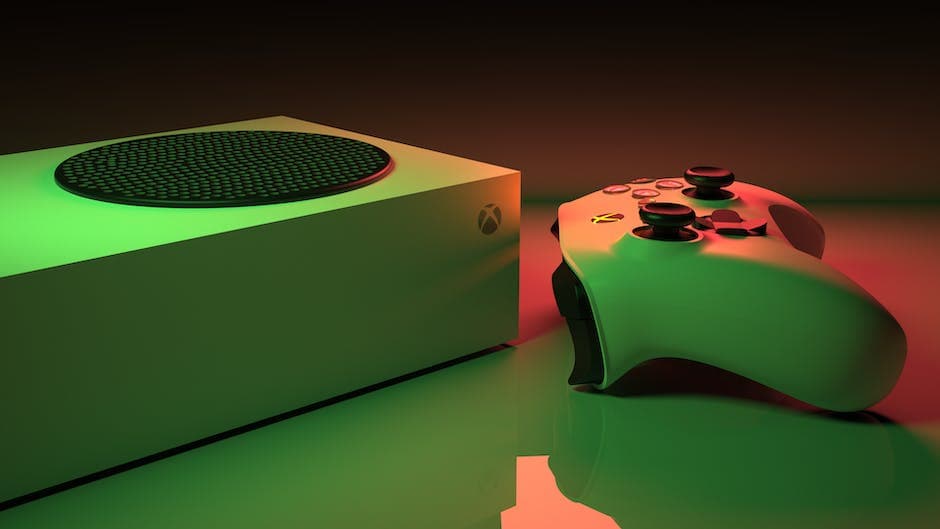
The Xbox Series S is the compact, more affordable sibling of the Xbox Series X. It appeals to dedicated gamers and newcomers alike. The lower price and smaller size come with compromises, though.
Below are the main points on each side, from loading times and Game Pass to storage and the missing disc drive. Which ones weigh heaviest depends on how you play.
Pros
Most of its strengths have to do with price and size, with fast loading close behind.
Solid performance
For a console at its price, the Series S performs well. Graphics look sharp, gameplay stays smooth in most games, and the modern hardware and features add up to an immersive experience that is hard to match in this price range. How it compares with the more expensive Series X is another matter, and that comes up under the cons.
Lower price than the Series X
The Series S costs less than its sibling, the Xbox Series X, which makes it an attractive pick for gamers on a budget. You get current-generation gaming without paying for the top model. For many people that is good value, and it makes high-quality gaming more accessible.
Compact, sleek design
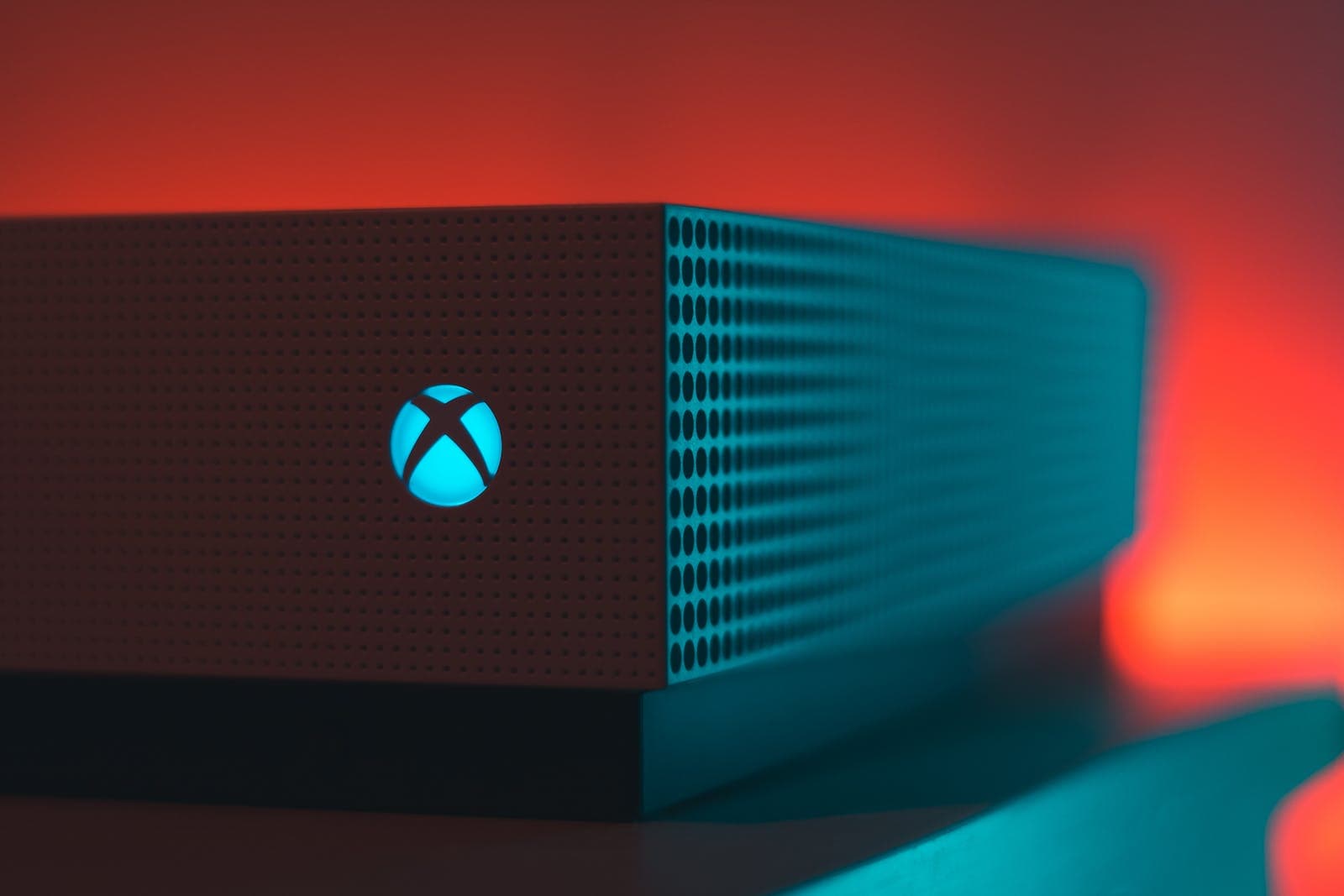
It's small. Next to the Series X, the Series S is noticeably more compact, and its clean, sleek look makes it easy on the eye in any gaming setup. Thanks to the smaller size it fits into most entertainment centers without much fuss, including ones where space is tight.
Large game library
There is plenty to play. The library covers popular titles as well as exclusives, backward compatibility brings in games from earlier Xbox generations, and Xbox Game Pass gives access to a large catalog on top of that. You are unlikely to run out of options.
Fast SSD
Inside is a high-speed solid-state drive (SSD), and you notice it from the first session. Waiting times shrink, and moving from one game scene to the next usually goes smoothly, which takes much of the stop-and-start out of playing.
Lower power consumption
The Series S uses less power than many other gaming consoles. Over time that means a somewhat lower energy bill and a smaller environmental footprint. If you care about the environment, or you simply want to keep electricity costs down, that is a practical advantage you get without doing anything.
Quick loading times
The same SSD pays off at the moments you would otherwise spend looking at a loading screen: starting a game, or moving on to the next level. Those waits are short on the Series S, so more of a session goes to actually playing.
Easy to move around
Because it is so compact, the Series S is easy to carry around and set up somewhere else. Taking it to another room, or to a friend's house, doesn't take much effort. For gamers who like to play in different places, that convenience counts.
Missing a pro?
Let us know which pro you are missing!
Cons
The drawbacks cluster around storage and graphics, the two areas where the lower price shows.
Limited storage
Storage is probably the biggest weakness. The Series S has noticeably less space than the Series X, and if you keep a large game library or download a lot, you will run into the limit fairly quickly and have to start juggling what stays installed.
No disc drive
Unlike the Series X, the Series S has no disc drive, so physical game discs won't work on it. Everything has to be downloaded. That narrows your options for offline play, and if you already own a collection of discs, you can't use it on this console.
Weaker graphics than the Series X
The Series S performs well, but it doesn't match the graphics of the Series X. If the highest graphical fidelity is what you're after, the limits of the cheaper hardware will likely bother you sooner or later.
Backward compatibility has limits
Older games do run on the Series S. Not all of them perform as well as they might, though, because the hardware differs from what they were made for. For players who enjoy going back to classic titles, that can spoil some of the experience.
Limited native 4K
Native 4K gaming is where the gap with the Series X shows most clearly. The Series S has limited graphics capability at that resolution, so if you want the highest levels of visual fidelity on a 4K screen, this console will probably fall short.
Few ways to expand storage
Expanding that storage isn't simple either. The options are limited, and because the internal SSD is fairly small, you may need extra space early on. The expansion solutions that exist can also cost more than you'd hope to pay for what is basically more room for games.
Lower resolution and performance
Across the board, the Series S runs at a lower native resolution and with less performance than the Series X. Games still play well on it. What you may not get are ultra-high-definition visuals and the latest graphical enhancements that the X model supports.
- -1
Regular storage housekeeping
With its modest storage, the Series S will likely have you managing your installed games on a regular basis, removing one to make room for the next. To avoid that, you may end up buying extra storage, which raises the total cost of owning the console.
Missing a con?
Let us know which con you are missing!
Conclusion
The choice mostly comes down to two questions. Do you own or buy physical game discs, and how much do you care about native 4K? If neither matters much to you, the Series S covers most needs for less money than the Series X. If you plan to install many large games, count the cost of extra storage into the price from the start.
What do you think?
Do you think the pros outweigh the cons?
You might also like 👇