The Pros and Cons of Shopping: What You Need to Know
What shopping gives you and what it can cost
Shopping, in a store or online, is how most people get what they need, and many also enjoy it as a way to relax, spend time with others, and buy things they want. Finding something new and taking it home can be satisfying. It can also strain a budget, and its effects reach further than the person carrying the bag.
Below are some of the main arguments on both sides.
Pros
Most of the benefits have to do with how shopping makes people feel, though some are simply practical.
Therapeutic effect
For some people, shopping works as a mood lifter. Browsing through products and finally buying something may release endorphins, which could help lift your mood and lower stress. That is why plenty of people treat a trip to the shops as a form of self-care and a way to relax.
Social interaction
Shopping is often something you do with other people. Friends and family wander through stores together, give each other style advice, and weigh in on whether something is worth buying. Done this way, it becomes time spent together, and that kind of shared outing can strengthen a relationship.
Satisfaction of acquiring
Buying something you have wanted for a while feels good. Whether it is clothing, a gadget, or a piece of home decor, a new possession can bring real joy, and sometimes a sense of accomplishment as well. For many people that feeling is a large part of why they shop.
- -1
Convenience
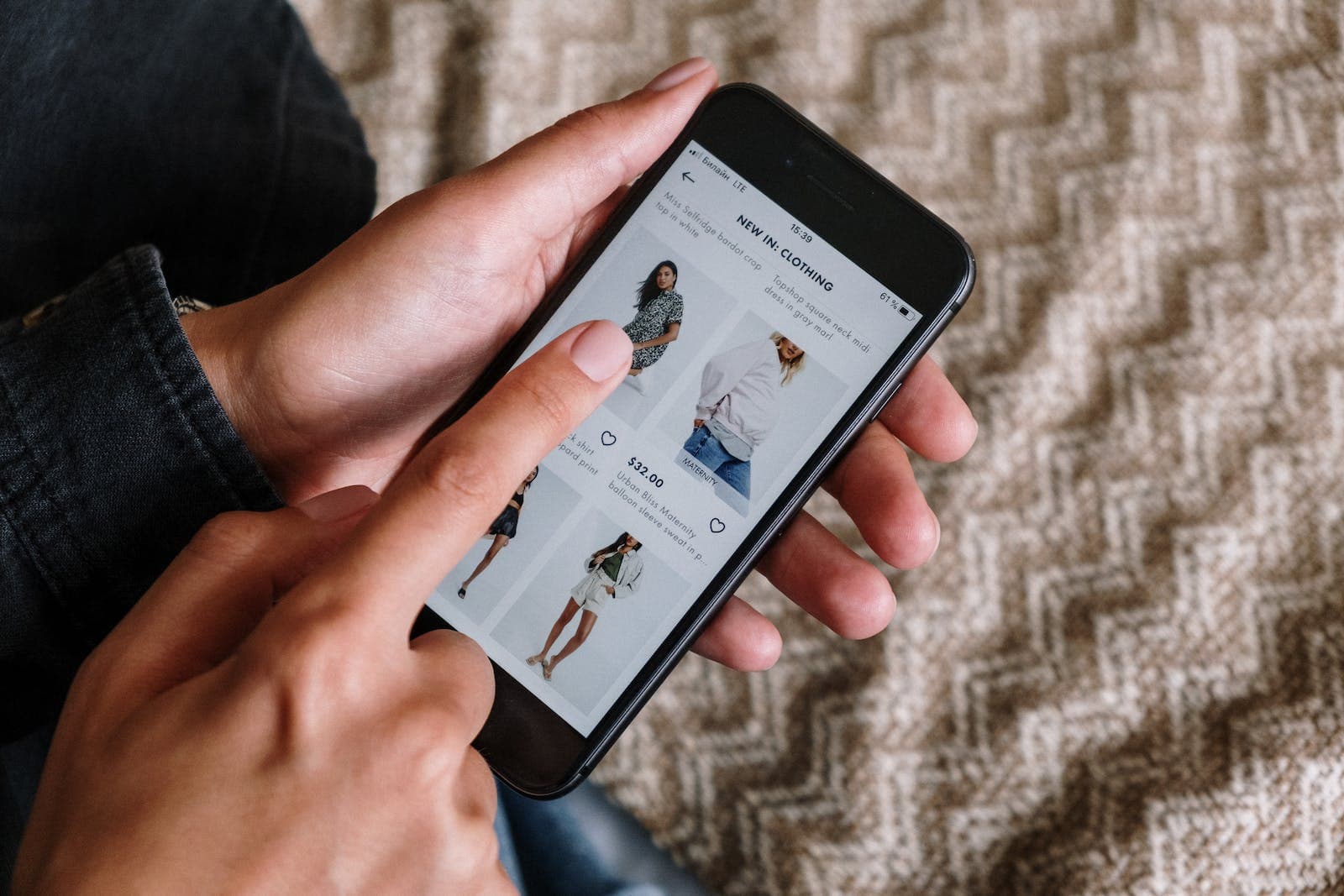
Online shopping lets you buy goods and services without leaving home. That matters most for people with mobility issues, for those with busy schedules, and for anyone living in a remote area where physical stores are hard to reach. For them, the convenience can make a real difference.
- -1
Exploration of trends
Shopping keeps you in touch with what is new. Whether you walk through shops or scroll through a webshop, you see current trends in fashion, technology, and other consumer goods. Many people enjoy coming across new styles, products, and innovations this way.
Missing a pro?
Let us know which pro you are missing!
Cons
The drawbacks mostly show up when shopping gets excessive or happens without much thought.
- +1
Financial strain
Probably the biggest drawback is what shopping can do to your finances. Left unchecked, it easily turns into impulse buying and overspending. Overspending, in turn, can lead to debt, and that can seriously damage someone's financial well-being.
Environmental impact
Everything you buy has to be made, and eventually it has to be thrown away. Both steps leave a mark on the environment. When consumption becomes excessive, the waste piles up, resources run down, and pollution increases, which creates long-term problems for sustainability.
Elevated stress
Shopping can also do the opposite of relaxing you. Choosing between many similar options can cause decision fatigue. Comparing yourself or your purchases with others adds pressure, and the hunt for the perfect item can turn shopping into a source of real psychological stress.
Impulse purchases
Then there are impulse purchases. Buying on a whim often leaves you with things you did not need, and those things become clutter at home and, sooner or later, waste. They also eat into your budget, which brings you back to the money problem above.
Counterfeit goods
You also run the risk of buying counterfeit or low-quality products without realising it, and that risk is usually higher online. When it happens, you end up disappointed with the purchase and out of the money you paid for it.
Missing a con?
Let us know which con you are missing!
Conclusion
If you mostly shop for things you planned to buy, and within what you can afford, the pros tend to carry more weight. If purchases regularly happen on impulse, or you notice that shopping leaves you stressed instead of relaxed, the cons on this list are probably the ones to take seriously.
What do you think?
Do you think the pros outweigh the cons?