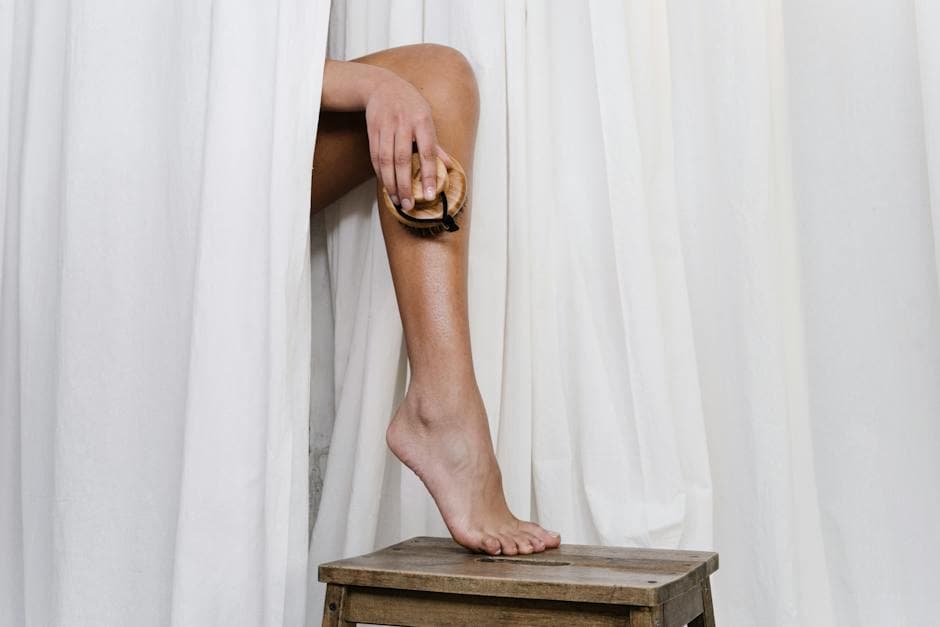
The Pros and Cons of Selling Feet Pics
Flexible extra income with real privacy risks
Selling feet pics has become a popular way to make money online, through social media, dedicated websites, or private arrangements with buyers. It is a niche market, and it suits some people far better than others.
Below are the main advantages and drawbacks, from flexibility and low costs to stigma, harassment, and privacy risks. They should help whether you are thinking of starting or are simply curious how it works in practice.
Pros
For people looking for extra income, the appeal is easy to see.
Flexible working hours
You set your own schedule. Photos can be shot and sold at whatever time suits you, which makes this a realistic option for people with busy lives or for anyone who wants a side gig next to other commitments. Because there are no fixed hours, you can scale the work up or down as your priorities change from one week to the next.
Low start-up costs
Compared with most businesses, the start-up costs are usually low. A decent camera, or a smartphone that takes good photos, is enough to begin. You don't need a physical storefront or expensive equipment, so the initial investment stays small and the work is within reach of a wide range of people.
Creative expression
If you have an eye for photography or an artistic streak, this can become a creative outlet. You are free to experiment with different styles, themes, and settings, try out ideas, and see which ones work, all while getting paid for the photos you make.
Earning potential
The money can be better than people expect, though it depends heavily on demand and on the quality of your photos. Some sellers have built a substantial income in this niche, usually after developing a strong online presence and a loyal group of customers. That possibility is what draws many would-be entrepreneurs in, even though high earnings are far from guaranteed.
Privacy and anonymity
Because the photos focus on feet, you can stay more anonymous than in many other kinds of online business. There is no need to show your face or reveal who you are, which appeals to people who want to earn money discreetly. How anonymous you actually stay depends on how careful you are, as one of the cons below explains.
Community and support networks
Sellers often find each other. Online communities and forums let people in the niche swap experiences, advice, and practical insights, and some of those contacts grow into a real support network with a sense of solidarity. In work that outsiders may judge, having peers who understand it can help.
Diversification of income
Since it can run alongside other paid work, selling feet pics is one way to add an extra income stream. It supplements what you already earn and, over time, can make you less financially dependent on a single source of income.
Missing a pro?
Let us know which pro you are missing!
Cons
Most of the downsides have to do with other people, from buyers who cross lines to strangers who judge you or share your photos.
Social stigma and misconceptions
Not everyone understands or accepts this kind of work. Sellers can face judgment, criticism, or a cooling of relationships in certain social circles, often based on misconceptions about what the work involves. Before you start, it is worth thinking about how the people around you would react if they found out, and what that could do to your relationships and your reputation.
Market saturation and competition
The more attention the idea gets, the more sellers enter the market and the more content buyers can choose from. For newcomers in particular, standing out and finding paying customers in that crowd can be hard. Building a customer base large enough to make the work profitable usually takes time and steady effort, so quick money is unlikely.
Risk of exploitation and boundary violations
Once you are selling online, you may well run into people who want more than you offer. Inappropriate requests, harassment, and attempts to push past your personal limits are all possible, especially if you haven't set clear boundaries and taken precautions from the start. Protecting your safety and well-being in this virtual setting is a serious concern for people in the business, and it takes ongoing attention.
Legal and privacy issues
Once a photo has been sold, controlling what happens to it is difficult. Without clear contracts or other protections, sellers can face unauthorized sharing, copyright infringement, or other misuse of their content. Knowing your legal position, including how your images may be used and distributed, and protecting your rights accordingly is a real part of running this business.
Emotional toll and self-image
The work can affect how you see yourself. Being objectified, receiving negative feedback, or treating a part of your body as a product can wear down self-esteem and mental health over time, although people react to this very differently. It helps to think these effects through in advance and to have ways of keeping a healthy mindset while you do the work.
Negative feedback and online harassment
The nature of the industry tends to attract unwanted attention, and with it unsolicited comments, negative feedback, and outright harassment. Dealing with that is emotionally draining, and over time it can affect your well-being.
Risk of identity exposure
Anonymity is never complete. Content spreads online, and even sellers who make a real effort to stay private face the risk that their real identity is uncovered. If that happens, the consequences can reach into both personal and professional life.
Missing a con?
Let us know which con you are missing!
Conclusion
Whether it is worth it depends largely on how well you handle judgment and unwanted attention, and on how much effort you are prepared to put into finding customers in a crowded market. If you do start, decide on your boundaries and on the terms of use for your photos before the first sale, since both are much harder to set afterwards.
What do you think?
Do you think the pros outweigh the cons?